Letters from Exmoor: Ironman

Ironman 70.3

June 4, 2013 by  | 10 Comments

Jochen Langbein, of Taunton Athletic Club, a club which my daughter, Isla, belonged to, having read my post on Ironman, mentioned to me the fact that the very first Half Ironman, Ironman 70.3, was put on in the UK, at the Ironman Qualifier site on Exmoor at the incredibly beautiful Wimbleball Lake. So I thought I would write a post about it to celebrate this fantastic event and to suggest that you go and spectate – it is the most stunning location, and the next event there is Ironman 70.3 on 16th June….put it in your diary! 

images-4The very first 70.3 race to ever exist in the world was in the UK – the Ironman 70.3 at Wimbleball Lake on Exmoor. This event has now taken on an iconic status, as do all Ironmans, and fills to capacity every year.  Age Group athletes can qualify from this race for the Lake Las Vegas Ironman World Championships 70.3.

You can download a programme that will tell you everything you need to know, starting with the race day schedule. You will learn that Lake Wimbleball has been nominated to be the first Dark Skies Discovery Site on Exmoor and that Exmoor National Park has been designated an International Dark Sky Reserve, the first place in Europe to achieve this prestigious award. It’ll also tell you that a downside is that you shouldn’t expect to get a mobile signal here!

I learned that Nirvana Europe is  the Official IRONMAN Europe Travel Agent and that they have been moving UK athletes and their bikes to major triathlon and duathlon events, all over the world since 2002. In 2013 they will cater for the travel and accommodation requirements of almost 1,250 athletes travelling to IRONMAN and IRONMAN 70.3 events in Europe, Australia and North and South America. Nirvana are hot on logistics… they know the locations, know the people involved and put in place the most comprehensive race related logistics plan you could hope for if you wish to compete. I also learned you can book to have a pre- and post-race massage. That’s mandatory in my book!

The swim course is one lap, clockwise, starting 20m from the shore of the lake at 7.00 AM, and the second wave at 7.15. Swimming in the lake is forbidden at any other time. From the exit of the swim to transition is approximately 400m on grass. The IRONMAN 70.3 UK Exmoor bike course is a tough two lap course right in the heart of Exmoor National Park. The course leaves Wimbleball lake and follows an anti clockwise loop through hilly terrain in a particularly picturesque part of Somerset. It is 56.4 miles and 3904ft/1190m of climbing over the whole 2 lap course. The run at Wimbleball Lake is a three loop course on a mix of terrain including tarmac, hard pack trail and grass. 13.1 miles long there is 1323ft/405m of climbing over the whole 3 lap course. There is one short sharp climb in the course which is tackled three times, followed by a steep descent. There you are, Ironman 70.3 UK in a nutshell. Why not check it out for yourself? [http://www.ironmanuk.com/ ]

IM703_UK_2012_200


This post was originally published by Caro Ness on her blog

Letter from Exmoor: “I keep looking at the sky….”

….I keep looking at the sky……

By “Chunky Mamil

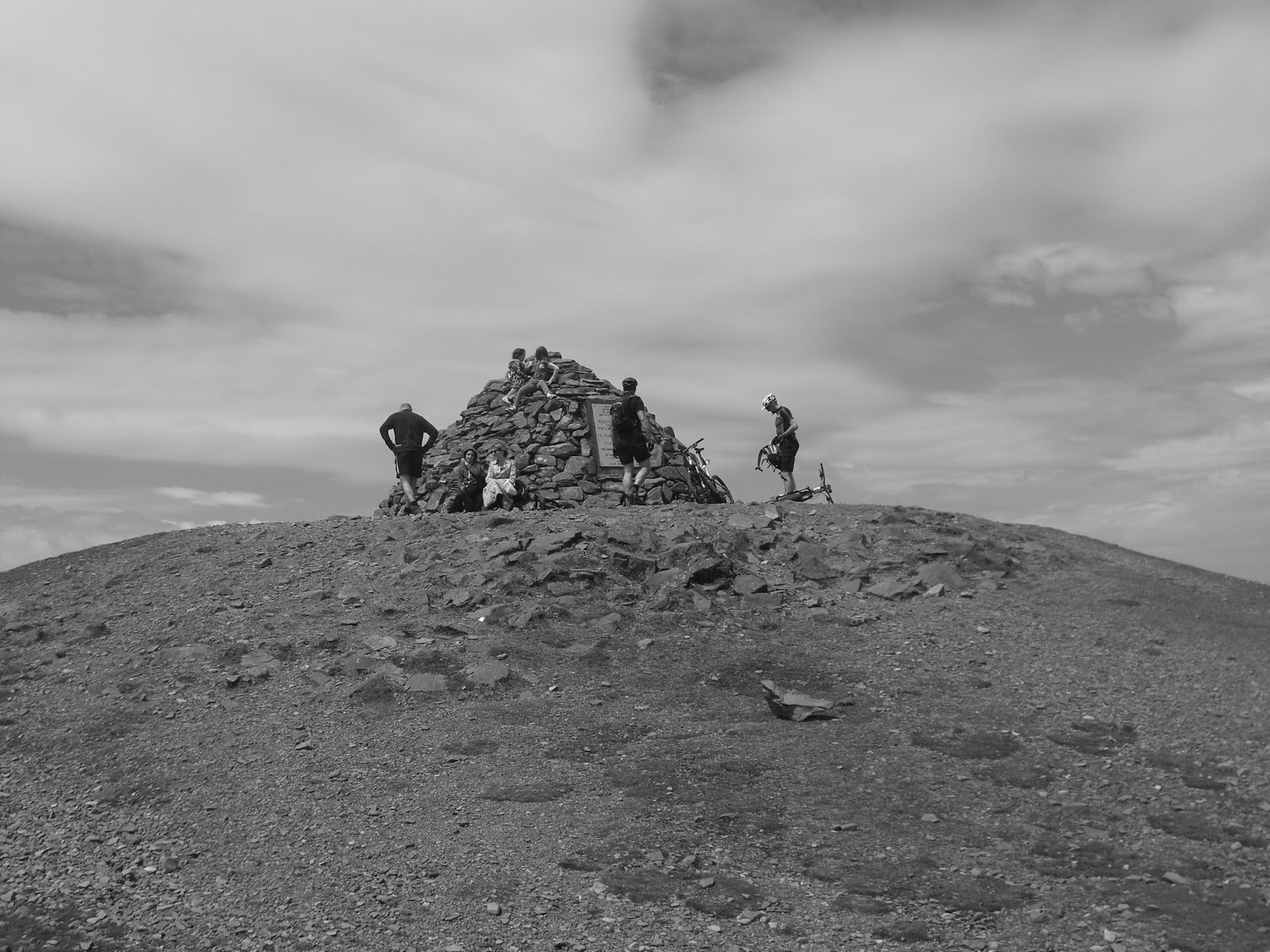
I was never a boy scout when I was a kid, I’m sure I’d have made a really good one learning essential skills like helping old ladies up toll roads and the like, I’m sure my three chords would also help when singing those campfire songs. I normally plan my rides in advance, use route planning sites, check google street view for junctions the lot, not very spontaneous I know but I like to know where I’m going. Last night though I was in a bit of stupor,a malaise not quite knowing what to do, where to go, what to ride, so I went to bed.I awoke feeling just as tired and grumpy so I took my retired friend for a walk and decided I’d hit the hills on the mtb, onwards and upwards…….Had a bit of a monochrome day…..

This post was first published here

Letter from Exmoor: In Coleridge’s footsteps

Coleridge Way Story Boxes

Story Boxes

Project leader – Christopher Jelley
Project duration – 3rd June 6th September 2013

Monday 3rd June and the final of the 6 story boxes will be installed for the summer of 2013 along the Coleridge Way. The concept is simple, find one, read the story so far, add a paragraph or drawing but no more, then leave for the next walker. Return as often as you want but you cannot add more unless someone else has put their mark in the book. Books will be exhibited as part of Somerset Art Week in September as well as Coleridge Cottage later in the year. Two of the books have been started by guest Authors Jackie Morris, (Author Illustrator) and Taffy Thomas (UK’s first Storyteller laureate), and endorsed by Rosemary Middleton, a direct descendant of Coleridge himself.

Jackie Morris’s web site http://www.jackiemorris.co.ukOn the Story TrailJackie Morris is an author, illustrator and artist. She lives and works in a small cottage by the sea in Wales, UK. She loves colour, cats, birds and flight, walking, reading, magic and dragons, kites, dandelion clocks, dogs and horses ( especially the black and white heavy footed kind with great liquid eyes) and many other things.

Above the house where she lives is a rare thing, a dark sky where stars are clear and visible, and every night she walks, watching the moon wax and wain and the stars turn across the ocean of air.

Taffy is the patron of The Society for Storytelling. Taffy received The English Folk Dance and Song Society Gold Badge award in December 2010. With Taffy’s head bursting with stories, riddles and folklore, professional storyteller Giles Abbot once commented, “when Taffy goes it will be like a library burning down.”

webbers post 05With only 6 boxes and 36 miles of way marked trail I found it quite difficult to identify locations which championed the ideals of the Romantic poets and were also relatively easy to access. But I feel that I have managed just this, with Coleridge Cottage (National Trust) hosting the first in their Lime Tree Arbour at Nether Stowey.

The second box is a short walk along the Coleridge Way from Nether Stowey, and it is the first section of the trail which takes you away from vehicles and roads, giving you a better taste of the natural beauty of Somerset.

This box is along Watery Lane, a very aptly named place as the stream runs along most of the track and actually becomes the path in parts! Just where the foot path separates from the water I have located this journal, with full permission from Quantocks ANOB park ranger Owen Jones. There is no natural bench, or panoramic view point but then the tunnel of undergrowth, the trickle of the brook, and relaxed resonance of this place lends itself perfectly to the pen.

kXES5YnWzMnk6syxX7GApyFScyoBsyfVIqr1zUQy5BIAt the other end of the Coleridge Way sits box three at the Jubilee Hut, Webbers Post, which is just under Dunkery Beacon. There is a large amount of parking here, hundreds of paths to follow or cycle, just follow the Coleridge Way signs through the Sculpture Trail and you’ll find the hut. (Also QR Poetry slates here too)

Journal four is at Horner Garden Tea Rooms, so grab yourself a cream tea put up your feet and then pick up the pen. This box has some paints in as well so you can add a little illustration into the storyline.

The five is at the end of the current trail, Porlock Visitor Centre, who proudly state they are England’s friendliest visitor centre. Boxes are out in the wild all summer long, with a detailed map at http://www.storywalks.info.

Box six is a secret (I have decided at the eleventh hour to change this one as I felt the approved location was a little too vulnerable.) check the website for info.

Follow at Twitter.com/storywalks, and FaceBook/storywalks and read the blog at Coleridgeway.blogspot.co.uk

webbers postOther Coleridge Way Projects

QR Code Poetry – Key stage II pupils responding to the environment through literacy and poetry, rendered into QR codes, then laser etched onto slate and installed along the trail. June 2013 image below of Dunster First School creating QR poetry at Conygar Tower, Dunster just before Easter this year. Installation of QR slates due in the next few weeks with maps and details on the Coleridge Way section of the Storywalks website

Fly Catchers – putting Coleridge’s hand writing digitally back into the landscape which inspired him using the innovative storywalk engine. Travel to specified location to reveal manuscript on your smart phone or tablet. Summer 2013

More info on my storywalks.info website, just follow the tab to Coleridge.

Project Sponsors – Storywalks, ArtLife, and EDF Energy.

With further support from Horner Garden Tea Rooms, Cider House B&B (Nether Stowey), Porlock Visitor Centre, Quantocks ANOB, National Trust Coleridge Cottage and Holinicote Estate, Dunster Crown Estate, National Park Authority, and Forestry Commission.

High quality copies of these images and more are available from this link http://ow.ly/lh7PY

Christopher Jelley

info@storywalks.info

Facebook: facebook.com/storywalks
Twitter” @storywalks
coleridgeway.blogspot.com

XIX West St, Dunster,
TA24 6SN
01643 821657 07751609198

Letter from Exmoor: Exploring the Old Mineral Line in the Brendon Hills

Thanks to Rosi Davis of Exmoor House in Wheddon Cross for this Letter from Exmoor!

Discovering the Old Mineral Line, Brendon Hills, Exmoor

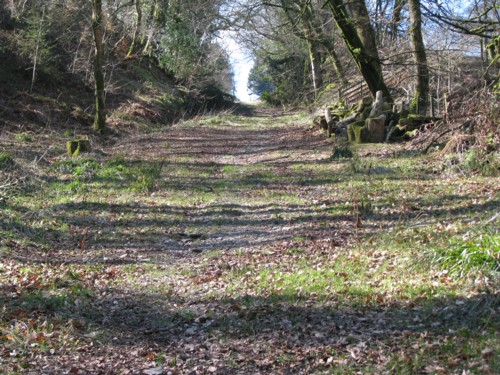
It seems hard to believe now, but the Brendon Hills on Exmoor were once a centre for iron mining. Whole settlements were constructed for miners and their families, although most of the houses and industrial buildings have since disappeared or remain only as ruins. There was also the West Somerset Mineral Railway (or Old Mineral Line), which was built to take iron ore to Watchet Harbour, ready to be shipped to Newport in South Wales.

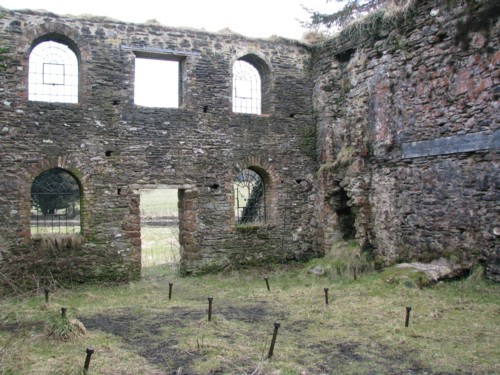
The route of the old railway included the Incline, a very steep slope down which wagonloads of iron ore were lowered by means of cables; the empty wagons were hauled back up again. The remains of the Winding House, which housed the machinery for this, are by the side of the road near the Beulah Chapel, shortly after you turn down the road towards Wheddon Cross.

Beulah Chapel is interesting in itself. Standing at the road junction of the B3190 and the B3224 near Raleghs Cross, it is all that remains of a mining village where at one time several hundred people would have lived. The congregation were Bible Christians, a North Devon and Somerset splinter group of the Wesleyan Methodist Church.

Some suggested Old Mineral Line walks

From the car park just off the B3190 near Raleghs Cross, you can take a short walk through the woods to see the Incline, continuing if you like towards Comberrow and Roadwater.

At Chargot Woods, a few miles from Wheddon Cross, there are walks taking in the Bearland Flue chimney (which was, literally, a lifeline for the miners) and the former site of Langham Engine House.

There’s an easy walk between Washford and Watchet along the route of the Old Mineral Line. In the Market House Museum at Watchet you will find a lot of historical information and a fascinating collection of old photographs.

To discover more about this amazing chapter in Exmoor’s past, visithttp://www.westsomersetmineralrailway.org.uk/welcome/

Letter from Exmoor: Free Family Fun

The following Letter from Exmoor was put together by Three Acres Countryhouse in Brushford, near Dulverton:

Free Fun Family Days Out On Exmoor

Posted on 24 March, 2013 by threeacres

Whether you are looking for ideas on where to go and what to do with your family over Easter, half term and summer school holidays, we hope our personal family favourites will inspire you to get outside to explore and enjoy Exmoor and the surrounding countryside. These are just a few of the things we have fun doing on Exmoor and the best thing of all is they are either free or don’t cost an arm and a leg!

Pirate Island Picnic

Situated to the west of the Exmoor village of Hawkridge near White Post, sits the quaint stone Lower Willingford Bridge spanning Dane’s Brook, a small tributary of the River Barle.   Water pools under the bridge to form a swimming lagoon which then flows downstream splitting to create an island the children affectionately call ‘Pirate Island’.  We have lots of fun bathing, constructing dams, playing buccaneers and building up an appetite for a picnic.

Bossington Beach & BBQ

Bossington Hill with views of PorlockThe Holnicote Estate on the Exmoor North Devon coast incorporates five pretty villages including the picture postcard Allerford, Selworthy and Bossington.

Strange as it might seem but the venue for this day out starts and ends in the overflow car park at Bossington, the site of an old apple orchard.  This is the perfect location for spreading out a blanket under the dappled shade of leafy branches.  We meet here with friends for a picnic each year.   We all bring a dish and families from across the four corners of the National Park and beyond rekindle their friendships or make new acquaintances.

We take a walk across the river and through the woods rising up to Hurlestone Point with its dramatic cliffs that plunge down to Selworthy Sand.  This is the spot where we had a rather traumatic incident with Roger our golden retriever one time, but that’s another story for another day!  There’s a steep descent down some rustic uneven steps onto Bossington Beach with its shingle bank that protects the flood plains of Porlock Bay.   Competitions to find natural pumice stone, drift wood and strange pebbles keep the momentum going to join the path that leads back to the village. The National Trust has thoughtfully provided BBQ facilities in the orchard which we use to boil kettles for a welcoming cup of tea.

Other beaches worth spending the day on include Woolacombe, Putsborough, Saunton Sands, Woody & Lee Bays and closer to home Dunster Beach and Kilve which is great for rock pooling and collecting ammonites.

Exmoor Story Walks

Sun dial clock on ExmoorOur friend Christopher Jelley is the brainchild behind the ingenious award-winning Storywalks.  Using GPS technology Chris’s intriguing magical stories are brought to life via a smartphone or tablet pc.

We were thoroughly captivated by ‘The Watching Way’ an imaginative story inspired by the clock mechanism in the tower of All Saints Church.  The interactive story takes you on an odyssey through Dulverton, across the River Barle and up into Burridge Woods.  Christopher’s stunning imagery and creative use of natural materials as props captivate an audience of any age.

If like us, you don’t have the appropriate gadgets Christopher leads live Storywalks.  We are looking forward to our next voyage of discovery with ‘The Winding Charm’ set in Dunster.

Wild Exmoor Swimming

Just ½ mile upstream from the popular Landacre Bridge, which lies between Simonsbath (pronounced Simmonsbath) and Withypool, you will find Sherdon Hutch.  It is easy to miss as it is not sign posted.  The track is off road, very bumpy, dusty or muddy, so not ideal for a low slung vehicle or one you are precious about.  Park where you can and be warned as it is off the beaten track there are no facilities.

There is a trek down the hill to negotiate whilst carrying everything you need for the day (you won’t want to hike back up to the car in a hurry)!   Once you have squelched through the bog, the efforts you have made to get there are thoroughly rewarded.  This isolated Exmoor beauty spot is where Sherdon Water meets the River Barle and forms a deep pool ideal for wild swimming.  Take a picnic, plenty to drink, swimsuits, towels and don’t forget sunscreen and insect repellent (horse fly bites can be nasty).

Bogtastic!
Girl holding clay bog monster at Bogtastic Exmoor

Bogtastic! is just one of the amazing events Exmoor National Park host during half terms and summer school holidays.  It is an opportunity for all the family to explore Exmoor’s natural habitat.   Fun activities include stream dipping, bog trotting, dam making, welly wanging, craft projects and guided story walks with          Wild Wellies.   Don’t forget to take plenty of spare clothes as someone always ends muddy and soaked!

Exmoor National Park’s Big Adventure Days

Like Bogtastic! the Park host 4 other free fun days called Big Adventure Days.  They include Valley of Rocks west of Lynton, Nutcombe Bottom near Dunster, Haddon Hill above Wimbleball Lake, North Hill Minehead and Webber’s Post.  Check the Exmoor National Park website for details.

Exmoor Walks

The mention of going for a walk in many households is greeted with moans and groans.  But call it ‘an adventure’ and that’s a different matter all together.   We play games to liven up a walk including classics such as hide and seek, Pooh Sticks, being nature detectives and having leaf catching competitions. We have made up our own entertainment including the hilarious tree slalom (downhill run weaving between tree trunks), collecting china treasures from the River Barle and re-enacting Narnia with Roger our retriever staring as Aslan the majestic lion.   Our girls also love using binoculars (field glasses if you are one of Enid Blyton’s Famous Five), taking photos and searching for Geo Caches.

Walks with a point of interest are the best:  Dulverton’s Burridge Woods middle path takes you up to the camp which children over the years have built, extended, demolished and rebuilt.  Tarr Steps with its ancient stepping stones (take some change for the money trees), Dunster – Conygar Tower and The Tall Trees Trail are both good circuits and Wimbleball Lake with its dam and play park.  Bossington Beach and Dunkery Beacon are bracing and on a clear day rewarding with far reaching views.  Woody Bay is worth the walk down to the quiet cove with its rugged beach and waterfall.  Also see our Exmoor Walk – The Incline.

Dulverton Folk Festival Bridge InnConcerts & Festivals

Exmoor hosts some fantastic musical concerts including the prestigious Two Moors Festival with events in beautiful venues across both Exmoor and Dartmoor National Parks.  All Saints Church in Dulverton runs a series of summer tea time proms with performances by local artists.  During the Whitsun bank holiday the Dulverton Folk Festival fills the town’s pubs, restaurants, schools, churches, town hall and streets with music, dance and family entertainment.


Messy Church

Once a month All Saints Church in Dulverton is transformed into the most amazing craft club there is.  The themed activities include cooking, creative projects, badge making, singing and worship with a fabulous tea to end the afternoon.  Messy Church is free and open to all families wishing to have fun and enjoy the community spirit.

Museums

The Heritage Centre in Dulverton is a quaint museum documenting native wildlife and rural living on Exmoor and on selected days the Model Railway is open out back with its scaled down version of Dulverton’s Station.   Lyn & Exmoor Museum is a small museum with collections including pictures of the Lynmouth floods from the 1950s.  Two excellent museums worth taking a day trip are The Museum of Somerset in Taunton andRAMM The Royal Albert Memorial Museum in Exeter.  Both venues are inspirational and child friendly!

Exmoor Pony Centre DulvertonExmoor Pony Centre

The Exmoor Pony Centre near Winsford Hill cares for and helps hundreds of ponies and pony owners.  They provide a permanent specialist base to manage this rare British breed.  The centre is free to visit with treks and taster sessions available for a fee.

We hope we have shown you don’t have to spend a lot to have a great day out. 


To visit the Three Acres website, please click here

Letter from Exmoor: Life without Limits

wheelchair abseil (mar 2013)

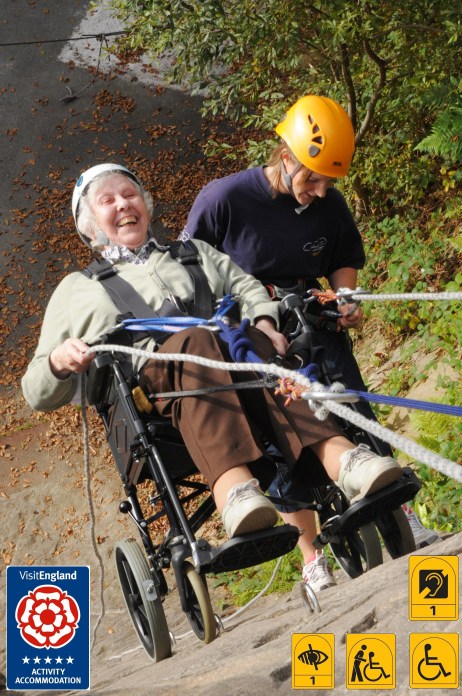
Calvert Trust Exmoor have been accredited as FIVE STAR Quality by Quality in Tourism (The Assessment Service for VisitEngland) , becoming the only five star accredited activity accommodation in the Country.

Calvert Trust Exmoor Logo RGB SquareCalvert Trust Exmoor runs an accessible 60 bed residential activity centre, catering for people with physical, sensory and learning disabilities of all ages and levels of ability, together with their families & friends. Activities on offer include canoeing, carriage driving, wheelchair abseiling, accessible cycling and archery. Over 3,500 guests took a break with Calvert Trust Exmoor last year.

Becky Endacott, Contract Services Coordinator at Quality in Tourism, confirmed yesterday that Calvert Trust Exmoor are the only organisation in England to have reached the five star standard for activity accommodation.

Tony Potter, Chief Executive of Calvert Trust Exmoor; “We are absolutely delighted to have been recognised in this way, it’s a great reflection on the hard work of our fantastic team, working together to achieve high standards of customer care. As a specialist accessibility centre its fantastic that we compare favourably with mainstream providers and are the only five star accredited activity accommodation in England”.

Quality in Tourism also assessed the centre against the National Accessible Scheme, and accredited CTE as being suitable for a range of disabilities including older and less mobile guests, Part-time wheelchair users, Assisted wheelchair users, Independent wheelchair users, Visually impaired guests and Hearing impaired guests.

For more information about Calvert Trust Exmoor please contact Rob Lott, Head of Communications on marketingexmoor@calvert-trust.org.uk or 01598 763221 

Calvert Trust Exmoor is the South West’s premier outdoor activity destination for people with disabilities, welcoming over 3,500 guests a year, with the philosophy of “At Calvert Trust Exmoor its what you CAN do that counts”, which sums up our approach to what we do, we help people of all levels of ability to fulfil their potential and be all that they can be.


CalvertTrust Exmoor is the third Calvert Trust Centre, opened in 1996 to offer people with physical, sensory and learning disabilities, and their friends and families, the chance to achieve their potential through the challenge of outdoor adventure.


VISITOR QUOTES

Audry Hopkins, Heritage House School: “We’re so grateful for all of your help, support and guidance – its been awesome! All praises to a wonderful organisation that actually looks for the positive achievements of all people with physical and learning disabilities. In my twenty years of teaching both mainstream and special educational needs young people, this has easily been the best, most positive experience I have had the fortune to be part of. You deserve award after award.


Martyn & Pauline Clark: “My wife suffers from MS and my grandson has ADHD & ODD, but despite their worries they took part in all the activities and did me proud.  Can we just express our gratitude and thanks for the high standard of accommodation, catering and service that we received, everyone was exceptionally friendly and helpful. I would not hesitate to recommend your establishment to anyone, and the children were asking when they could come back as we were leaving!”


Pete Houghton, RNIB: “Can I say a big thank you to everyone at Calvert Trust Exmoor. It was a truly an inspiring weekend. The care shown by your staff to the visually impaired children was unbelievable and they even had time to help a 50 year old softy like me with a fear of heights.”


Web:             www.calvert-trust.org.uk/exmoor

Blog:              http://pilgrims-progress-exmoor.blogspot.co.uk/

Facebook:   www.facebook.com/CTExmoor

Twitter:        www.twitter.com/calvertexmoor

YouTube:     www.youtube.com/CalvertTrustExmoorUK


Images from the Calvert Trust Exmoor image bank are available for press use, please contact Rob Lott on marketingexmoor@calvert-trust.org.uk or 01598 763221 with your requirements.


Letter from Exmoor: Experiencing Exmoor Zoo Through a Lens

9516118_orig

Not much more than a year into its life, the West of Exmoor Camera Club finally got around to its first field trip to Exmoor Zoo. I feel it won’t be the last.

After dreary, light-free shoots at Lynton and Arlington Court earlier in the year, the sun finally came out of hiding briefly above the wildlife haven that is the Exmoor Zoological Park. Its a bijou zoo, small but perfectly formed, with large pond (or small lake depending on how well travelled you are) in the middle, with a wonderful selection of wildfowl, ranging from Mandarin Ducks through penguins to Pelicans and all shades between, swimming on it, and crashing into it. The photographic opportunities were endless, with good viewing areas and obligingly nonchalant avians.

We also found Big cats, many monkeys, wonderful wolves and something that made an incredible racket, but was never quite identified. There were seemingly dozens of enclosures, and mums and dads with progeny present, were having a great time. The animals were well cared for and unstressed and I liked that. Some were only too happy to pose, whilst a surly minority were a bit sniffy and disdained the hapless photographer, brazenly displaying the wrong end to us. Can’t say I blame them.

We came away with some great images having enjoyed the day, the coffee and cake and the refreshingly positive attitude of any zoo staff that we encountered. Even the Zoo loos were up to scratch.

Pictures from the day can be seen online on our club website at www.westexmoorcameraclub.weebly.com and anyone reading this that is desperate to see more of our handiwork on paper as it were, can do so throughout the stairwells, top to bottom, of the North Devon District Hospital in Barnstaple from:- (Thursday 22nd March – 30th June 2013 ). Go on, you know you want to….

And what the hell was it that was making all that racket?!

West of Exmoor Camera Club. Author. RB

Exmoor4all.com

A Letter from Exmoor: A New Helicopter for the Devon Air Ambulance

Devon Air Ambulance

January/February marked an exciting time for Devon Air Ambulance Trust as the new helicopter, funded by the people of Devon to help enhance our service, arrived in England and has started the transformation into an Air Ambulance. This is the next stage in its 18 month journey from drawing board to operational use.

first rotorThere are many advantages in Devon Air Ambulance owning its own helicopters, as opposed to leasing them, including the ability to specify what level and type of equipment the aircraft will have. This means not only do our patients benefit from an aircraft which best meets their needs, but also our pilots and paramedics get to work in an environment where the demands of their role are reflected in the design of the aircraft. Through maintaining a constant awareness of aviation and clinical developments on the horizon, we have also been able to design in some future proofing options to help enable our service to continue benefitting patients and crew in the longer term.

Eighteen months may seem like a long lead in time for the helicopter to enter service, however modification to the aircraft specifications, such as enhanced safety features and radio communication suites, need to be factored in at the design stage, before the aircraft enters into production. This is because every wire needed to operate equipment has to be incorporated into wiring looms and any potential conflicts with other aircraft systems have to be ruled out prior to construction commencing.

IMG_6153This applies equally to items which are not aviation in nature, such as the mounting brackets which hold the medical equipment. In the new aircraft we are incorporating a new generation of patient vital signs monitor in collaboration with the South Western Ambulance Service NHS Foundation Trust. This new system will enable the paramedics to attach the patient to the monitor at the scene of the incident, whether that is in the patient’s own home or within an up turned car, and the patient’s vital signs including pulse rate, blood pressure and oxygen concentration will not only be displayed on screen for the paramedics to see, but can also be viewed real time in the receiving hospital, enabling the medical staff to gain an understanding of the patients physiology even before the patient arrives at the hospital. Fixing a patient monitor to a wall in a hospital would require someone to simply find a free piece of wall, drill a few holes, and screw in the bracket. On a helicopter this process is a little more involved.

gdaan insideFirst, we have to find the right space within the helicopter where the paramedics can view the display whilst ensuring they can also reach the controls from their seats. The place the monitor is to be mounted needs to have a special mounting frame incorporated either on or within the wall which will take the weight of the monitor. No solid brick walls here to screw into! The weight of the monitor, bracket and the reinforcing then needs to be incorporated into the aircraft design. A helicopter is a bit like a children’s see-saw, with the rotor mast being the pivot point. You can’t simply put everything either in front or behind the rotor mast, it needs to be distributed and balanced equally within the helicopter, otherwise just like when only one child sits on the see-saw, we wouldn’t get off the ground!

Devon has two Air  Ambulances, covering daylight hours (an average of 14 hours a ay in the summer).  It costs £4.5 million annually to keep this essential service airborne, with all of this sum coming from the community, businesses and friends of Devon).  If you would like to make a difference to helping to keep your Air Ambulances flying and keep up to date with all of our news why not:

Log onto our website www.daat.org

Like our Facebook page at www.facebook.com/devonairambulancetrust

Follow us on Twitter: @DevonAirAmb

Download our free iphone app via the App Store:   Devon Air Ambulance Trust

Or if you would like to make an immediate difference why not text the word ‘heli’ to 70300 which will make a donation of £3 to the charity.  You will be charged £3 plus one standard rate text fee.   If you’re a tax payer you can also gift aid this sum.

IMG_6207

A Letter from Exmoor: The Greencombe Triptych

Triptych (300dpi mac 6inches)


The artist John Hurford presented this beautiful triptych to Joan Loraine, who has been gardening at Greencombe since 1966.  The small woodland garden on the slopes above West Porlock is full to the brim with stunning and rare plants.

Here is what John wrote in his blog in 2009 when he handed the triptych over:

Greencombe Triptych Presented Saturday 6th June 2009

BY JOHN HURFORD

JoanLoraineEvery so often you come across an example of someone’s lifetime work; the result of them steadfastly following their own particular personal passion. The life’s work I saw in the spring of 2007 was a garden. Original ideas in the world of gardening are rare. Most gardeners get their inspiration from a variety of sources – National Trust gardens, television gardeners or from garden centres. The Trust’s gardens have a rather corporate look to them, a uniformity of planting. TV gardeners chase the latest fashions and garden centres all tend to sell the same plants, the easiest ones to propagate and grow on in containers. So coming across a garden of original design, planting and propagation was a wonderful experience. The garden was at Greencombe, near Porlock in West Somerset, and the gardener was Joan Loraine (pictured left, with John Hurford, in front of the triptych on 6.6.2009).

I grew up on a farm, and I have always gardened. But for me gardening was all about food and feeding the family – the largest amount of food with the smallest amount of effort. The flowers I liked best and especially since I took up painting in the 1960s were the ones in the fields and hedges; the wild ones. The first time I met Joan was by chance. She knocked on my door asking if I knew the whereabouts of Tony Hurford. Tony is my brother and he ran the farm next to mine in the parish of Chulmleigh, North Devon. Our original family farm had been divided into two and we each ran our individual sections as separate organic enterprises. Having adjacent farms meant that we could on occasion help each other out and leave each other in charge when we went on holiday. This was such an occasion. Tony had gone away but had forgotten to mention to me that he had applied for theJoan Loraine Award. This is an award given by Joan every year to an organic farmer whom she judges to have done the best job of looking after their farm while paying the greatest respect and encouragement to the wildlife living on it and also to the environment. Before she can give the award she needs to visit each farm in turn and take a good look around for herself. She stood on the doorstep as she explained all this to me. I told her that Tony was my brother and, as I was looking after the place, I could show her around. I didn’t mention the fact that he’d forgotten to tell me she was coming. This was on an extremely hot summer’s day in August 2003. There wasn’t a breath of wind as Joan, my wife Jane and I set off on foot for the grand tour. The farm is only a couple of hundred acres but it is long and thin, bordered on two sides by deep wooded river valleys. Even on a cool summer’s day it can be a long hard walk taking several hours, but today it really was too hot. We’d walked several hundred yards on hard rough ground before realising that I would have to go back for the tractor. The chance to do the tour on the tractor made Joan very happy.

Greencombe Presentation 6.6.2009 (1)The inspection tooks two hours even with us riding on the tractor. Joan was very thorough at her job, getting off to look at banks of wildflowers, large trees and the condition of the hedgerows. I was amazed at the breadth of her knowledge of plants trees and the landscape. I learnt a lot from her that afternoon as she pointed out the history of the farming landscape, the ancient fields and the fields that were the result of the enclosure act. When we got back to the house we were parched and Joan needed a few cups of tea and some cake before her drive back to Porlock. I had recently turned part of my house into an art gallery and studio and had many paintings hung on the walls. Joan had noticed these on her way through to the kitchen and asked if she could spend some time looking at them. She seemed very keen on my work and when I had a book launch* in Exeter three years later I was delighted that she was able to come. Joan spends time from the beginning of August looking over farms for her award but before that in spring and early summer she opens her garden to the public. She said she was interested in commissioning me to do a painting. I have always painted flowers and even in the early days my psychedelic paintings included lots. So at the book launch there were my old very colourful and detailed works on the gallery walls together with some new large canvasses of irises and poppies. Joan wanted a large painting. She was putting up a new building in her garden to house her garden archive. Her garden had several important national collections and she wanted me to paint them. I said I’d love to do it and heard no more until the spring of 2007 when she rang and asked, “Where are you? You have to come and photograph my erythroniums.”

On our first meeting I’d asked what she did apart from looking around farms for her award and she modestly told me, “I garden.” So when I arrived for the first time at Greencombe on an April morning I was shocked by what I saw. I had imagined a large cottage garden with a few borders and a few flowering shrubs, but the reality was overpowering. The variety of the plants, the sheer size of the garden, the colours and the smells. She handed me a map of the garden and off I went following the paths on the map and photographing every flowering plant and fern I came across. Her garden is on a north-facing slope under Exmoor’s Dunkery Beacon and the surrounding hills. The tops of these hills are exposed to the weather and are covered in heather and gorse. As these hills fall into the sea their slopes become warmer and wooded. Wooded with Scot’s pine, birch and beech first, then oaks. Joan’s garden has these large oaks and also sweet chestnuts and a very old holly. Her garden also has the disadvantage of no sun in the winter. It is so tucked in under the hills that the sun misses the garden completely for several weeks. The first bit of the garden you see on entering her property is a large traditional one with flower borders, a vegetable garden, a lawn, some large trees and mature shrubs. Then through a gap in the hedge you go into a large woodland garden with first flowering shrubs and ferns between the trees, and then on to moss-covered areas with very little undergrowth which show off her delicate erythroniums. The whole garden is painstakingly well looked after without being noticeably manicured.

My first day at the garden was when the trees weren’t yet in leaf and the sun lit the patches of moss between the trees. Many of the small to full size shrubs were in full flower – the rhododendrons, the azaleas, and the camelias. A full range of colours, perfumes, flower sizes and even decorative barks. I realised a lot of thought had gone into the planting. My knowledge of garden flowers was not good. Although I’d been painting flowers all my life I didn’t know the Latin names of any of them. In truth most of what I’d painted in the past were wildflowers that I had found in the vicinity of the farm. I also had been incredibly lucky to be able to paint from life, picking flowers, bringing them into my studio to study them in detail. This was not an option here. Porlock is over an hour from me by car and the number of species coming into flower each day meant I couldn’t keep up. I simply had to photograph them and use the photos in my studio.

During that spring and summer I went every two weeks following the succession of flowers from camelias and erythroniums to the hydrangeas and summer roses. The archive building had already been started, but it was a couple of months after I’d finished photographing before the backwall had been set out. This enabled Joan to see the exact size she wanted the finished painting to be. We decided on a triptych, thus enabling the painting to be closed when it was not needed. I had just been for a weekend in Ghent and had seen the Van Eyk altarpiece The Lamb. This had made a great impression on me and I was determined to do a triptych. While in Belgium I bought some raw linen to paint on. Halfway through September I started making the panels. I began by sticking the linen onto wood in preparation for the work. I painted the first flower (a trillium) on the centre panel in mid October 2007 and had the three panels finished by the end of March 2008. This was more or less without a break. It was a mammoth task and I was learning as I went. I had never heard of erythroniums when I first visited the garden let alone gaultherias and vacciniums. I finished the painting and nervously took it to Porlock to show Joan. It is always stressful showing someone a commission for the first time especially as I was so proud of it and it had taken me the whole of the winter to paint. She liked it.

The presentation of the triptych, together with the opening of the ‘Registry’ building (above) by gardens expert Patrick Taylor, housing the painting and the records of the garden at Greencombe, took place on Saturday 6th June 2009. Photos: Jonathan Hill.


A Letter from Exmoor: Half Term Fly Fishing

BY NICK HART

It’s the school half term holidays and I have been very pleasantly surprised with the amount of parents rocking up with their kids to go fishing.  In fact as I write there is a family on the lake right now and judging by the giggles, things are going well. 

nick-blog-bio-imageI experienced a similar day with 13 year old Oscar, from Kent this weekend.  He visited on Saturday and I had the pleasure of teaching him for a few hours.  His Dad was not sure where Oscar’s passion for angling comes from, but it was instantly apparent that this lad has got the bug bad.  He had a small amount of sea fishing experience and caught the odd coarse fish, but what he really wanted to try was casting a fly.

My approach to this was to teach him how to chuck a little Mepps spinner.  Armed with one of the mini Hart Addiction rods and a Shimano Catana reel I was able to show Oscar how to set up the tackle, make a basic cast, the importance of a controlled rod stop and correct release point for the line.  All this can be done with a fly rod of course, but it is more difficult, and as we all know the only thing a novice child angler really wants to do …. is catch a fish!!!  Spinning facilitates that.

Sure there may not be so many fly fisheries that allow the use of lures, but this is beginning to change and where it’s not possible to target Trout, there are always plenty of Perch somewhere close by (try canals for example) that will help to inspire a child to try fishing for the first time.  Forcing kids to learn how to cast a fly which requires timing and coordination, while expecting them to wait for success rarely works in my experience, so I like to try and hook them from the off.

This worked a treat with Oscar and in fact after half a dozen fish on the lure I decided that it was time to give him a go with the fly.  During the course of the day I found out that Oscar plays Tennis for Kent and so I had high hopes that his hand eye coordination may stand him in good stead as a fly angler.  That was for sure!  He was a natural and soon nailed both the roll cast and a very pretty overhead.  The only problem I faced (and Oscars Dad!) was prising him from the lake as he proceeded to make a sizeable dent in the Lobbs Lake Trout population!

Keen young fisherman Oscar proudly shows off one of his Trout – this one was caught on a fly.

It was a tonic to see the smile on his face, especially after a rather depressing (extremely beige), angling AGM that I had the misfortune to attend on Friday night … more about that another time.  The door chime has just broken me from my writing and its the family back to weigh in their fish.   Great, they have some Trout for Tea but what’s most impressive is that the 11 year old son is furiously protesting about leaving … he wants to stay for longer.  Brilliant!  I love it!  (Sorry parents, but it’s called  “just one last cast syndrome” and so far as I know the only cure is to take your kids fishing, as often as possible)

Just before I sign off today, check out this website.  Oscar’s Dad is involved with the business of producing amazing wall books aimed at children called What on Earth Books.  They are not like anything I have ever seen before and my children have been totally absorbed by The What on Earth Wallbook of Natural History.  Find out more at www.whatonearthbooks.com and how about a What on Earth Wallbook of Fishing?! 


Posted on February 19, 2013 by Nick Hart on his blog.