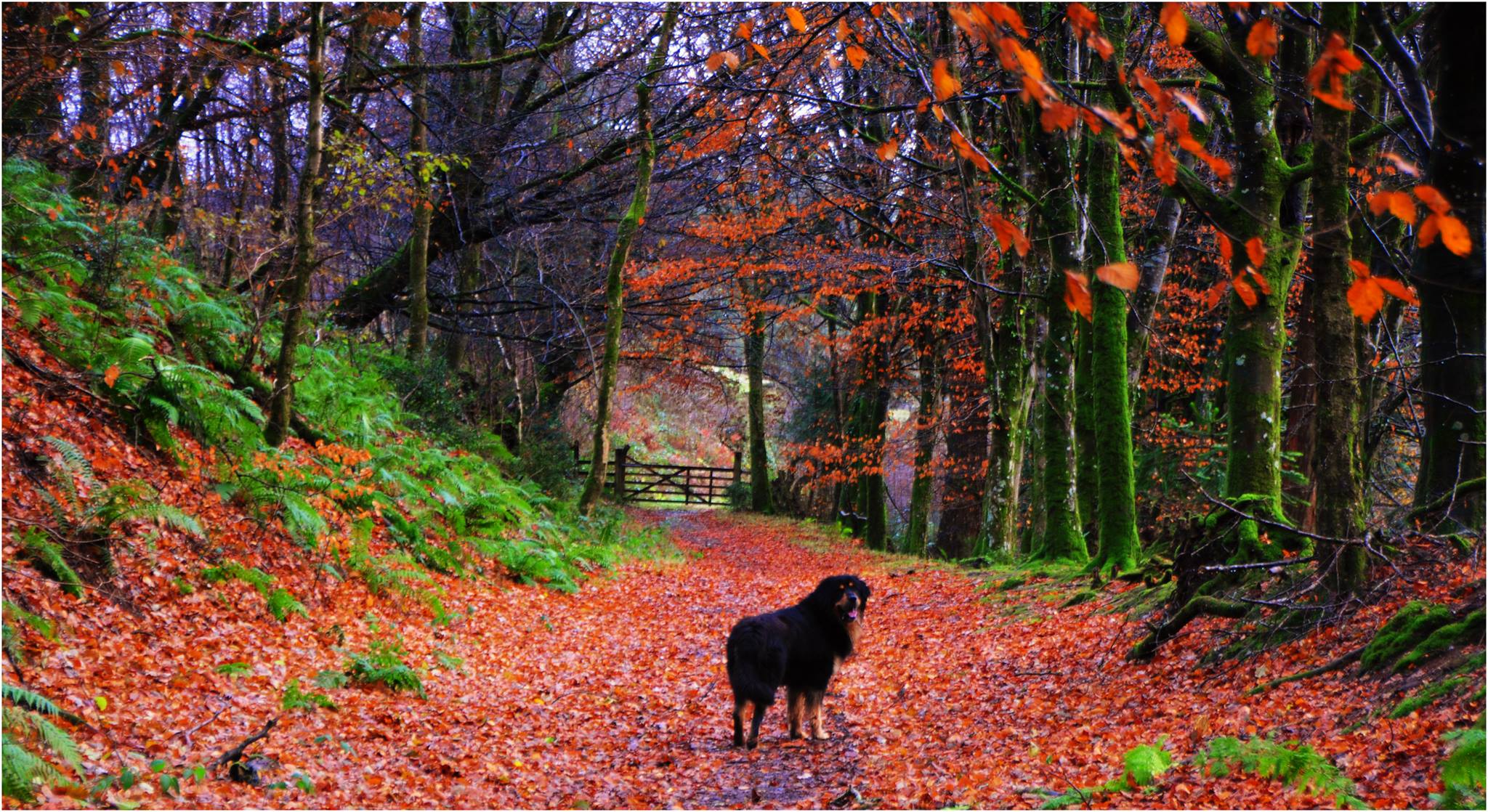
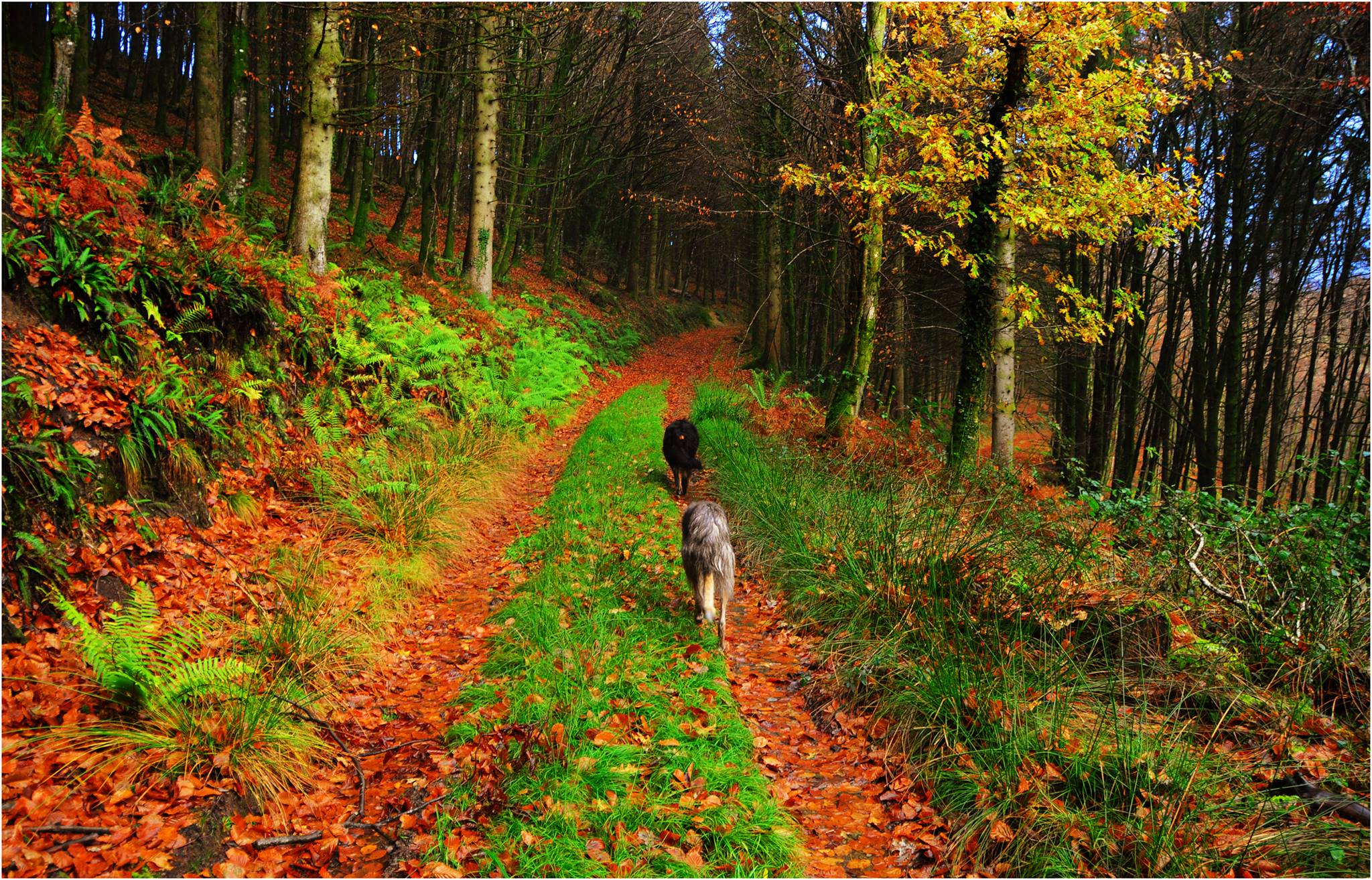
Taking the dogs for a walk in the woods near Arlington, North Devon, on Saturday, 7 December 2013.
Photos by Twitchen Farm B&B (www.twitchen.co.uk)
Taking the dogs for a walk in the woods near Arlington, North Devon, on Saturday, 7 December 2013.
Photos by Twitchen Farm B&B (www.twitchen.co.uk)

Photographed by Will Bowden at the Exmoor Centre
http://www.exmoorcentre.co.uk
The Brendon Hills, part of the Exmoor National Park, are less well-known than the barren moorland to its west that gives the park its name. Here the landscape is a patchwork of lush, green fields and of woodlands bordered to the north by the sea. It is a quiet landscape with only the sounds of birdsong and the occasional farm vehicle to disturb its peace. It wasn’t always like this, however, for during the nineteenth century it was the centre of a great, albeit relatively short-lived, mining venture. Today, much of this has been forgotten.
The West Somerset Mineral Railway was built to link iron ore mines with the seaport of Watchet for transportation to the steelyards of south Wales. Much of its route can be walked and there are several ruins, some of national importance, that have been conserved. One of the most dramatic is the Incline, where trains hauled truckloads of ore – and passengers – up a 1 in 4 steep hillside, climbing 800 feet in just over half a mile. I have written about this feat of Victorian engineering in an earlier post and this can be found by clicking on the link here.
A ruin less impressive than that of the Incline but no less extraordinary in its day is the Langham Hill Engine House built in 1866. All that remains now is the footprint of the building but a good idea of what it must have looked like and how it worked can be had from the artist’s impression by Anne Leaver shown on the nearby information board.
The engine house was created to draw the iron ore from three separate workings to the surface by sinking a new shaft at Langham Hill. Powered by steam engines, the ore was pulled up to ground level by trams rising from a depth of up to 650 feet. The miners who had to descend by ladder were protected from falling by a series of wooden platforms upon which the ladders rested – if they fell they would only drop the length of each ladder, reducing the risk of serious injury. The steam engines also powered underground pumps to keep the shafts clear of water; this was filtered, stored in reservoirs and reused by the engines – an early example of recycling. Once the ore was brought to the surface it was tipped into trucks to be carried away by the railway.
Another extraordinary feat of engineering was the aerial tramway that brought iron ore to Langham Hill in buckets from another mine over half a mile away. A length of the steel cables, which are over four inches in thickness, can be seen coiled by the engine house. The figures are staggering: the overhead cable was a single, endless 6700 feet length supported on wooden pylons, at times carrying the ore 300 feet above ground level and crossing a 2000 feet wide valley. No wonder the miners called it ‘the flying machine’.
It is hard to imagine, when visiting the engine house now, the noise, bustle and industry that took place here just 150 years ago. Two hundred miners and their families, mostly from Wales came to live and work here, yet within fifty years all mining had ceased. The engine house only survived for ten years: its engine and even the house itself, dismantled and reused in mines elsewhere. The aerial tramway lasted an even shorter time being in use for only three years before new transportation technology overtook it.
Today all is silent, the site surrounded by trees and ferns. For many years the remains of the mines remained hidden until the combined efforts of a number of individuals and groups fought to preserve them. The West Somerset Mineral Railway Project came into being and has succeeded in doing so; it has also created a permanent exhibition housed in the museum in Watchet. Its research of the history of the mines is available online – visit their website here.
I’ve been neglecting the blog a bit lately and riding my mtb so I thought I’d put both of those straight today. I have been riding though and meeting interesting people so although the keys have been idle I haven’t. With my rest days falling during the week and a last minute window in my good friend Jennifer’s schedule, I grabbed the opportunity to visit her and ride some of that flat stuff last Wednesday. Nice riding around the levels a real haven for birds, swans, herons, starlings the odd magpie and even a partridge but no pear tree 🙂 We rode some of those long straight roads they like around there but thankfully with little wind, stopped for coffee, chatted and even found a hill to ride up on the way back.Yesterday started a bit damp but I had to get out so did a quick loop on the road bike, it wasn’t too bad and was glad I got out. Still lots of colour about but as a friend of mine commented about this photo, winters coming over the hill 🙂
In the afternoon I was invited to lunch by the lovely Elke who promotes all things good on Exmoor through her Exmoor4all website. She had organised a Christmas lunch for some Exmoor business folk and kindly invited me along too as I always try to show how wonderful it is around here through the blog. The location was The Culbone, a pleasure to get to as it means driving up and along Porlock hill with great views to enjoy on the way. The food was excellent and so was the company, nice to meet people I sort of knew through twitter and some new people too.
So to today, very windy so definite mtb day, getting blown across the road on the road bike didn’t appeal at all. The usual slog up to Hopcott but sheltered and the trails were dry after this cold snap and rapid progress to the top of Grabbist hill with the wind behind me. Although it was dry the tracks are covered in leaves and hide roots, rocks and toxic dog leftovers, luckily just the odd stone whacked me in the shin today.
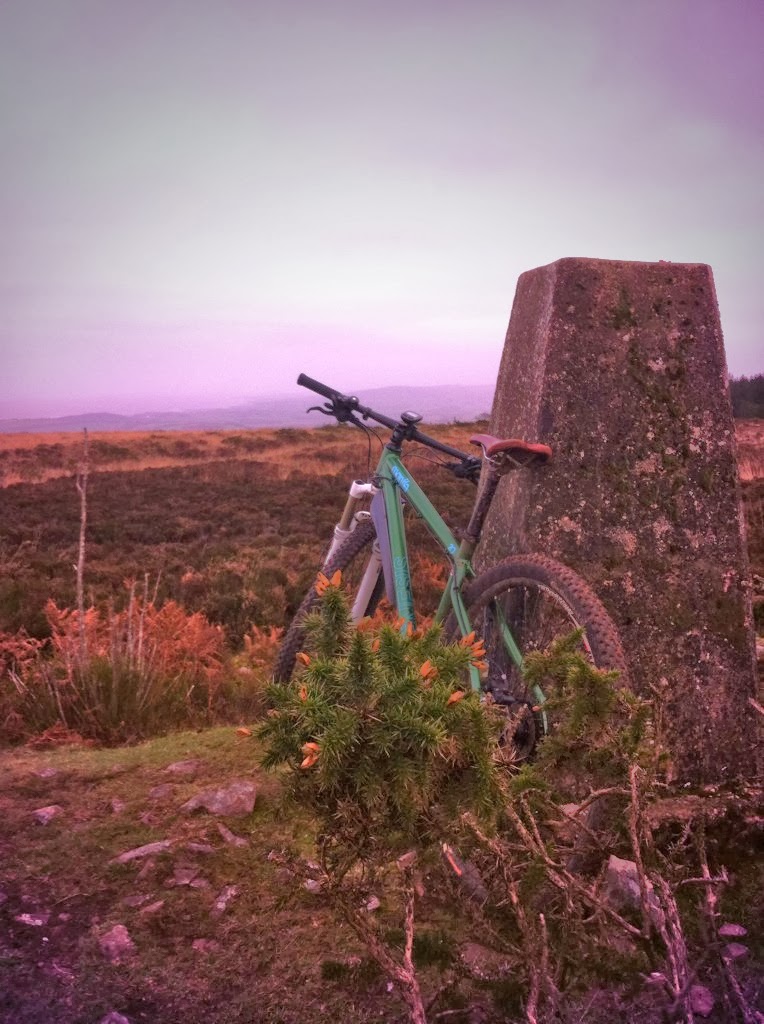
I went for a loop around the Crown estate woodland on the other side of Dunster, hard going in the wind on the exposed climb up and around Black Hill to the trig point. The descent was very quick but a bit boring on the fireroads but once nearer Dunster I rode some more interesting tracks before heading back up Grabbist Hill.
After negotiating the ascent of Grabbist I headed back up the ridge and down some of my favourite tracks back towards home, felt good, rode up stuff, not a bad ride at all.


Text and photos by Amanda Perkins who published this on her blog “Amanda’s Adventures in Wool Land” in November 2013
We live in Lynton which is half way up a hill, at the bottom of the hill is Lynmouth, which is 2 minutes drive away.
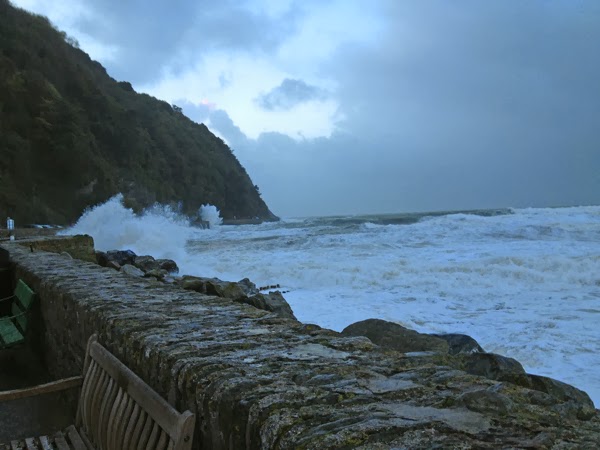
About a week ago we had a severe weather warning for a massive Atlantic storm, the storm didn’t really happen here, although I know other parts of the country were badly affected.
But we had our storm on Saturday.
It was high tide at 5 pm, so Phil and I decided to venture out to buy fish and chips for our tea and see what the sea looked like.
We weren’t disappointed, as we drove down the hill the sea looked higher than the land, I have never seen it look so dramatic.
Stupidly we had left the camera in the office and so the following photo’s were taken with my iPhone.
The photos are dark, because it was getting dark
This is from outside the fish and chip shop looking west towards the Valley of the Rocks.
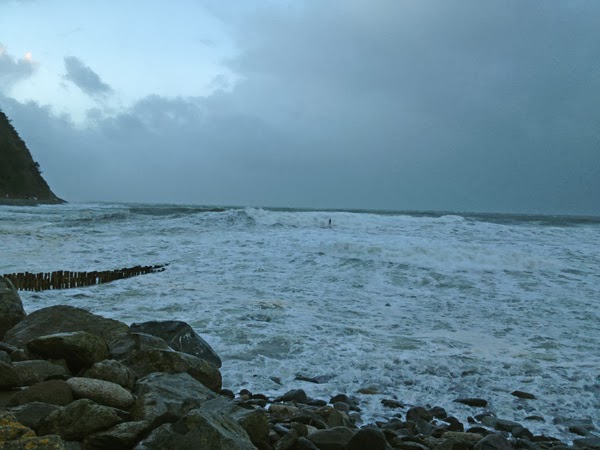
This was taken from the same place, if you look carefully you can see a small black line, which was a surfer, there were several out surfing – Mentalists!!
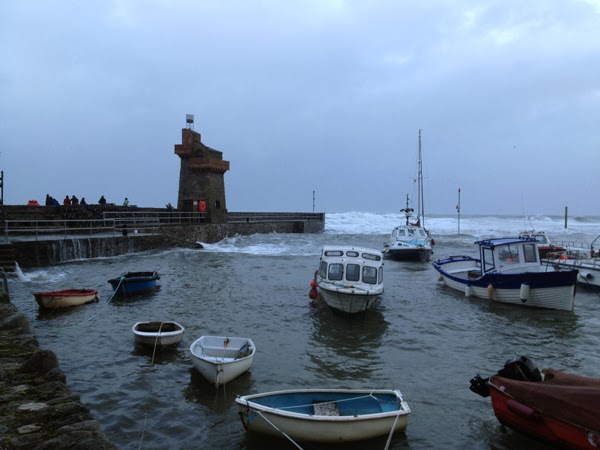
The harbour and the Rhenish tower, which shows how high the sea was.
The 2 Lyn rivers meet at Lynmouth, there is a small harbour with a wall that divides the harbour from the river, the tide was so high the wall had disappeared completely.
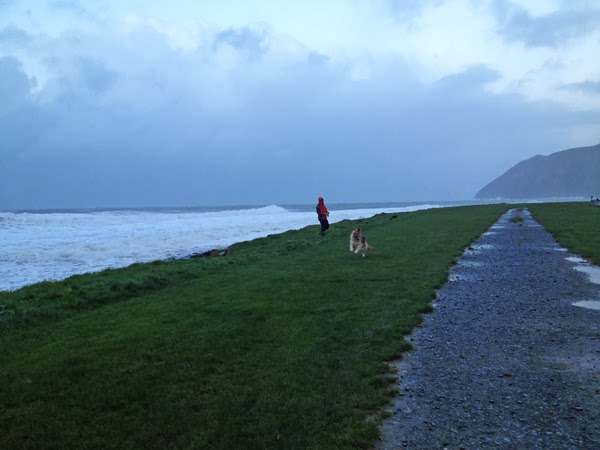
We walked the dogs over the bridge to the other side of the river, this photo is taken east across the bay looking towards Countisbury hill, you can see a very windswept Phil and Loki, (there is a small black dot in the distance which is Tinks)
And another shot from the same place looking west, the boats you can see are inside the harbour, the harbour wall was under water. When we walked back over the bridge the water had flooded the road in front of the buildings and waves were crashing over the wall in all directions.
The noise of the wind and water crashing twinned with twilight and the fact that the whole village had turned out to look at the sea made it a very surreal experience.
In a very strange way it was magical and I’m glad we braved the storm.


Near Watersmeet. Photo by Bert Bruins

New watercolour by Bert Bruins: at Landacre Bridge, Exmoor; 25 x 20 cm on handmade watercolour paper. A great spot in the heart of Exmoor National Park, that shows the alteration of moorland and grazed fields that is so typical here (+ the moody weather)
Sundays off are a rare treat for me so I grabbed the opportunity to get up early and hit the hills on the mtb. I didn’t feel like it at first though, tired after going back on shift my and head felt clogged up with stupid thoughts, the first hill of the day felt like hard work even more than usual.I persevered though, the weather was cold, still and grey my kind of weather, the cloud just sits on the hills and you can get lost in the mist. Went down some new tracks and up some tracks I usually go down you get the idea, even though the legs felt like lead I still rode up them.
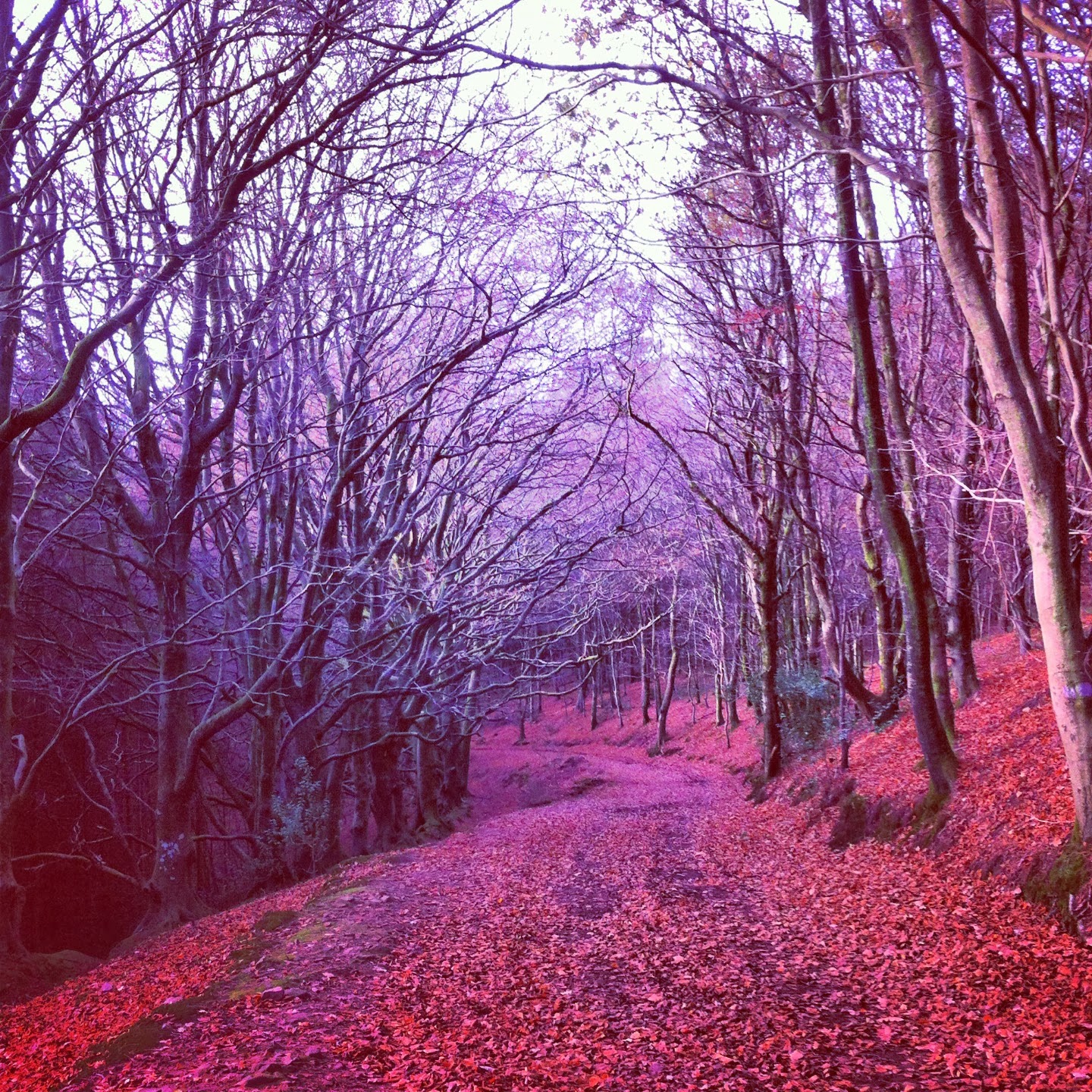
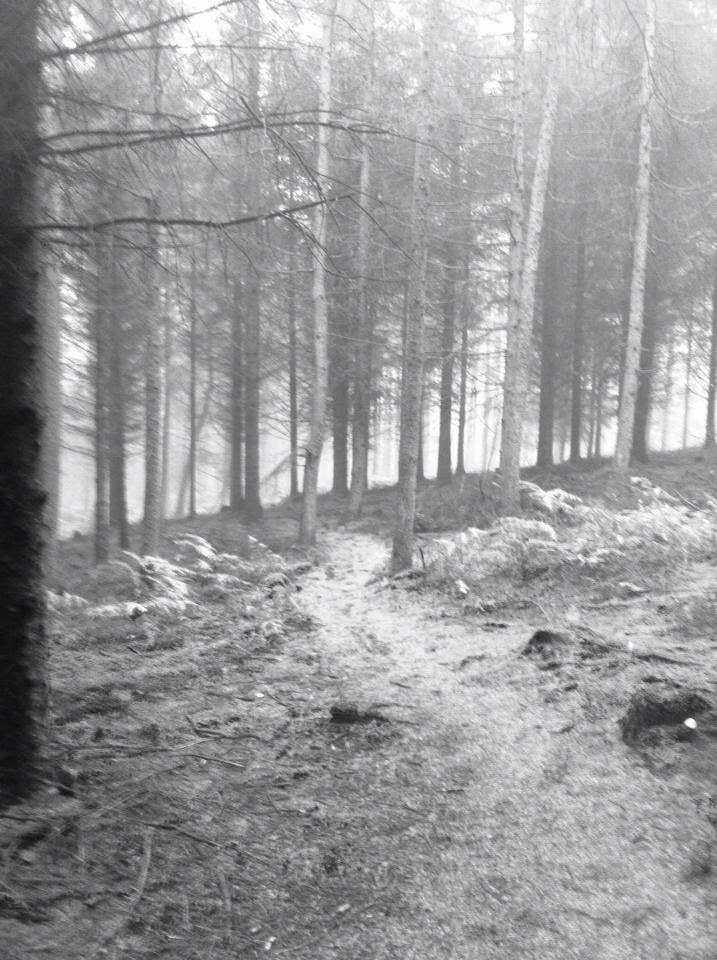
There’s a little track someone has made out in the forest so I headed down that towards home. So quiet and peaceful in the trees not a sound even the squirrels must have been having a lie in. It was so quiet I wish I could capture the moment or portray it better, it was a good place to be……..





 Exmoor 4 all