


Reblogged. Posted on by John Shortland on November 20, 2013 on his blog
Sandwiched between barren Exmoor to the west and the rugged Quantocks to their east, the Brendon Hills appear remarkably fertile with their neat, small fields testament to a rich farming tradition. Now incorporated into the Exmoor National Park it seems to be as devoid of human life as it’s more visited partner. It has, however, a surprising past: travel back in time one hundred and fifty years and you would find yourself in a thriving community at the forefront of Industrial Revolution technology.

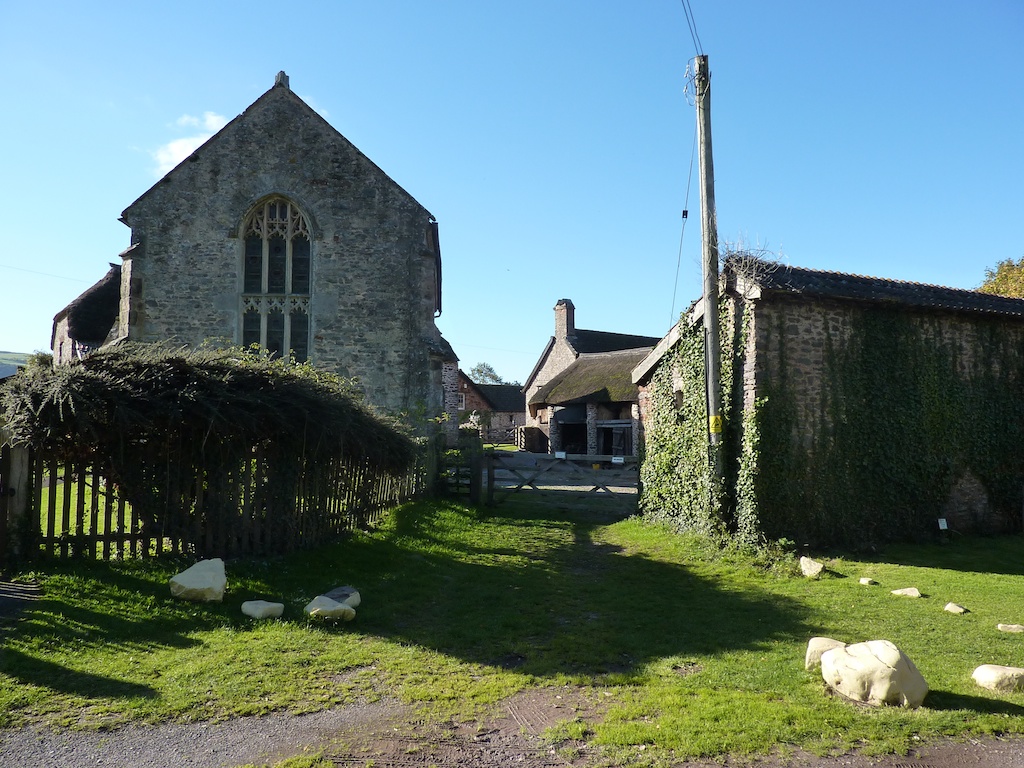
A corner of the ruined building
For years, I had been intrigued by a ruined building close to one of the few roads that leads onto Exmoor proper. Obviously once substantial, what could this building, miles from anywhere, have been and who lived there? There were no clues as I first approached but the ruins, now stabilised, have had information boards giving its history placed within. It was the site of an extraordinary Victorian venture that extracted iron ore and then transported it to the coast to ship to Wales for the steel industry. Although, there was now just this one ruined building, in its heyday over two hundred miners and their families lived close by in houses built especially for them.

Click on the image to enlarge the poster
The explosion of railway building in the mid 1800′s had created a huge demand for – and, consequently, a shortage of – iron ore. Mining had taken place in the region on a very small, localised scale for many centuries but the small quantities found had never been a commercial prospect. With the rapid rise in price and with advances in extraction the Ebbw Vale Company – Welsh steel works – developed the mines. A major problem was how to transport the ore the eleven miles from the furthest mine to the coast from where it could be shipped across the sea to Wales. The first six miles from the port of Watchet was straightforward enough, the final six miles along the top of the Brendons, although more costly, also did not create a major problem. It was the mile that included the climb of a 1 in 4 hillside that proved to be a challenge and a costly one at that – over ten times the amount required for the same length elsewhere and over £2 million in today’s prices. ‘The Incline’ was completed in 1861 and took just four years to build, rising almost 800 feet in just 0.6 of a mile.

The ruins of the winding house as seen from the top of the incline
Trucks of iron ore were lowered or raised down the incline on twin rails, their steam locomotives held in place by steel cables. The huge drums that were required to do this were housed in the ‘winding house’ with the cables travelling through stone tunnels, now the silent home of bats. The force of gravity brought empty trucks to the top in twelve minutes as the weight of the full ones descended. At the top of the incline the trucks passed over the roof of the winding house. Communications between the men at the top and bottom were by semaphore.

The winding house – the trains passed over its roof

The cable tunnels
The price of iron ore and the methods of extraction continued to change rapidly and the railway never made a profit, with the mines closing just eighteen years later. Remarkably, the railway continued to carry passengers for a further five years seated on wooden planks bolted to the tops of the iron ore trucks. It must have been an extraordinary experience to be hauled up the incline and travelling back down couldn’t have been for the faint-hearted!

The incline today belieing the industry and grit of the men that created it
An even more short-lived attempt to re-open the mine was thwarted by the outbreak of the Great War and in 1916 the sleepers and rails were requisitioned and the drums blown up, demolishing part of the winding house building. A further attempt to rebuild the winding house for agricultural use was abandoned during WWII and it was only with the help of a National Lottery grant that the buildings were recently stabilised and the incline cleared of scrub and restored.

Marker stone
For further information including many early photographs and drawings visit the West Somerset Mineral Railway website by clicking here.

Lynton and Lynmouth Town Council has begun projects to enhance the famous Valley of Rocks, thanks to a major grant of £93,000 awarded by the Exmoor National Park Partnership Fund and £40,000 from the Heritage Lottery Fund and the Amory and Heathcoat Trusts via the Heart of Exmoor Scheme.
 Works include restoring coastal path access to the hidden beach at Wringcliff Bay, renovating the 19th-century Poet’s Shelter and installing a traditional estate railing fence at the Cricket Club, similar to the one seen in early photographs of the area. Visitors will be welcomed by a resurfaced car park, made greener to reduce its impact in the landscape. New interpretive resources will highlight walk routes and the valley’s geology, history and wildlife.
Lynton and Lynmouth Town Council’s success in raising funds has brought in more than £130,000 to match its own £40,000 investment in the projects. Councillors worked hard to listen to the community and develop suitable designs in consultation with experts in landscape, historic environment and wildlife.
Mayor Suzette Hibbert said: “This project has been on the Council wish list for some years. Thanks to the appearance of the Exmoor Moorland Landscape Partnership and the leadership of Councillor Bernard Peacock we have at last seen the start of this major scheme. Once again we are indebted to the Exmoor National Park Partnership Fund and so we say thank you to them and to the Heart of Exmoor Scheme.”
Jason Ball, Heart of Exmoor Scheme Manager, praised the initiative: “The projects cleverly maintain visitor capacity and access, yet with less
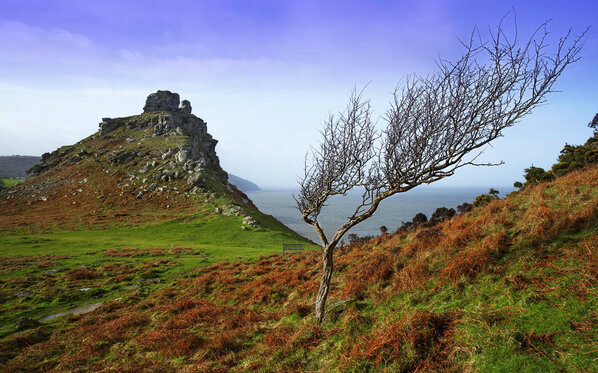
Valley of the Rocks on the last day of January 2013
clutter and tarmac – always a good thing – so it emphasises the wild moorland character and unique features that visitors find so attractive. We are proud to support this thanks to money from the Heritage Lottery Fund and the Amory and Heathcoat Trusts which the Exmoor Society secured for exactly this type of project.”
The changes will sensitively restore a sense of wildness while simultaneously helping people to enjoy and explore the Valley of Rocks – a favourite destination for locals and visitors to Exmoor National Park. The dramatic clifftop valley on the North Devon coast is crowned with rock features and its special geology earned it status as a SSSI (Site of Special Scientific Interest). The Valley of Rocks is home to hardy free-roaming goats, Exmoor ponies and cliff-nesting birds such as peregrine falcon and fulmar. Cradled in the valley are a village green cricket pitch, a tea room and the Poet’s Shelter which alludes to poets inspired by the amazing location.
 Coleridge, William Wordsworth and his sister, the poet and diarist Dorothy Wordsworth, visited the Valley of Rocks as part of a longer exploration of Exmoor’s coast in November 1797. Coleridge and the Wordsworths fell in love with the Lynton area and even thought of settling there. Coleridge wrote to a friend: “We will go on a roam to Linton and Linmouth, which if thou camest in May will be in all their pride of woods and waterfalls, not to speak of the august cliffs, and the green ocean, and the Vast Valley of Stones all of which live disdainful of the seasons or accept new honours only from the winter’s snow.”

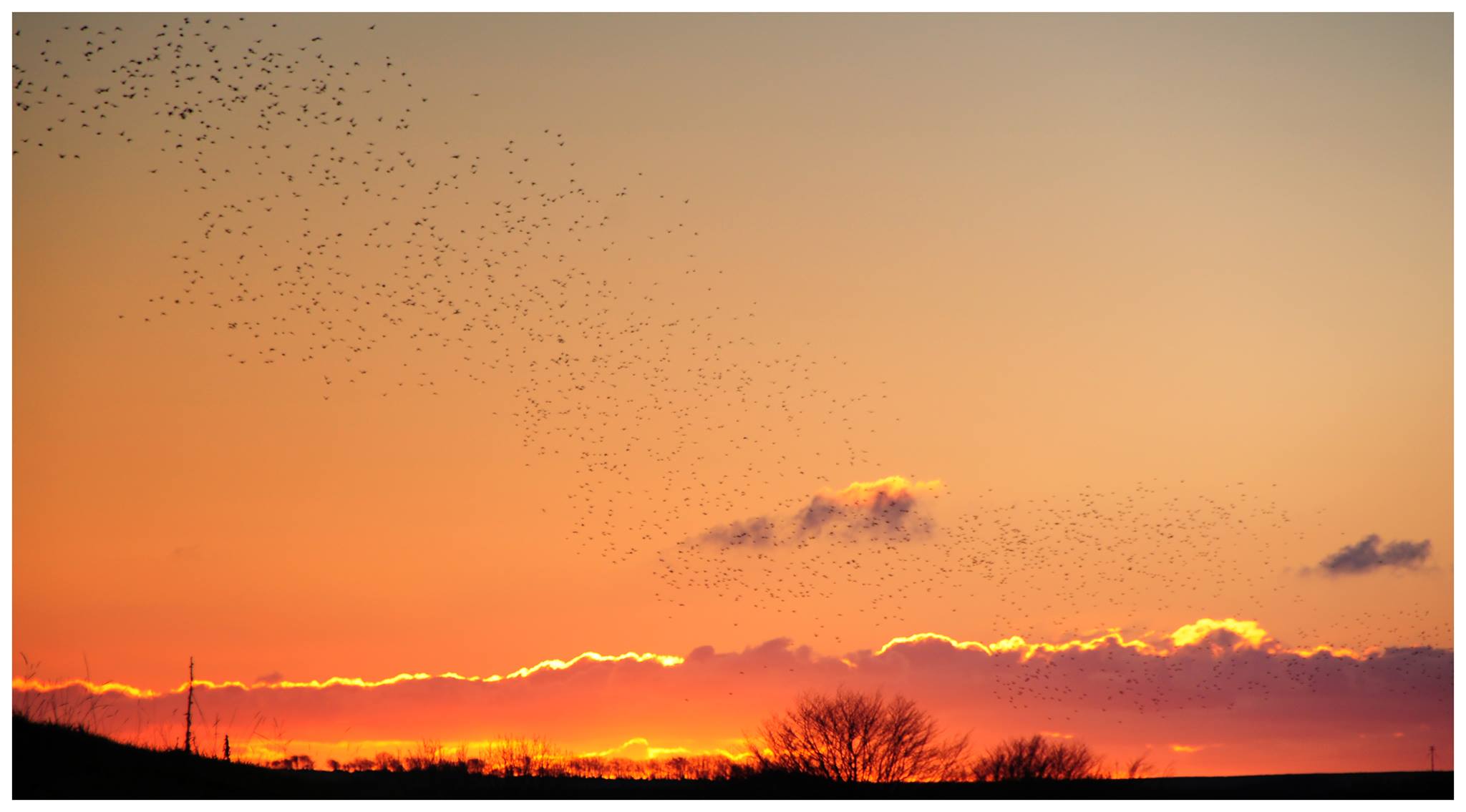
Starlings taking to the sky near Twitchen.
http://www.twitchen.co.uk

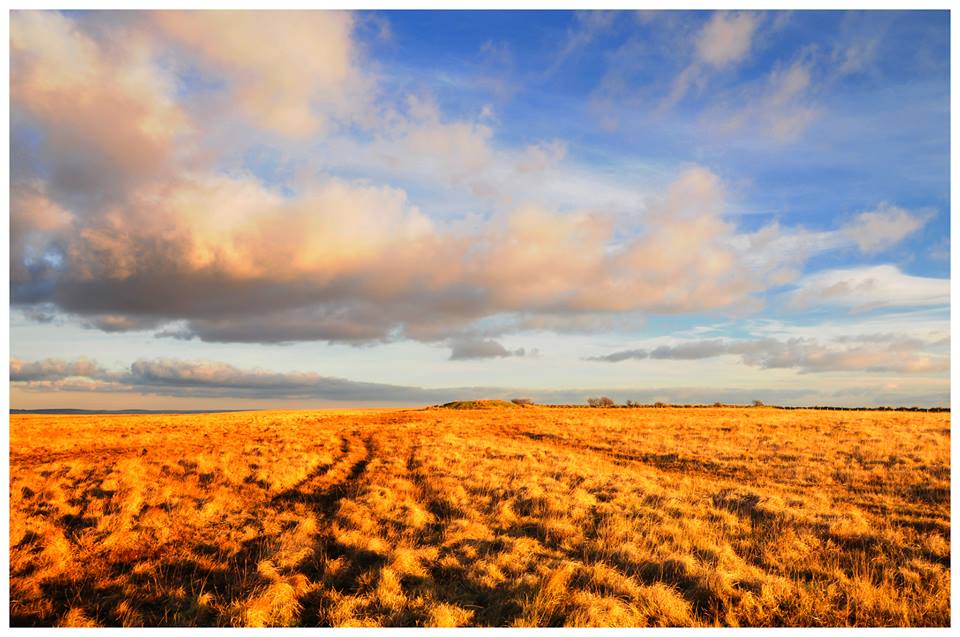 These photos of the Common near Twitchen were taken by http://www.twitchen.co.uk yesterday afternoon.
Congratulations to the ten photos which made it through to the final of our first Exmoor4all Photo Competition.

Mark Watson won an Exmoor Club Card for this image
Runner up and through to the final are:


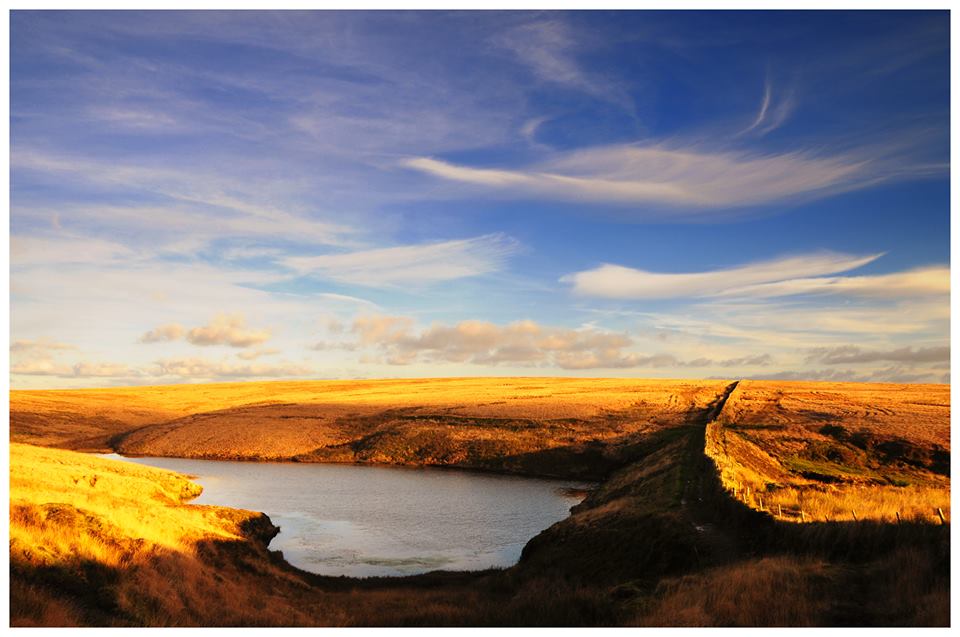
Pinkworthy Pond on Exmoor, photographed in the afternoon of Saturday, 23 November 2013.
http://www.twitchen.co.uk
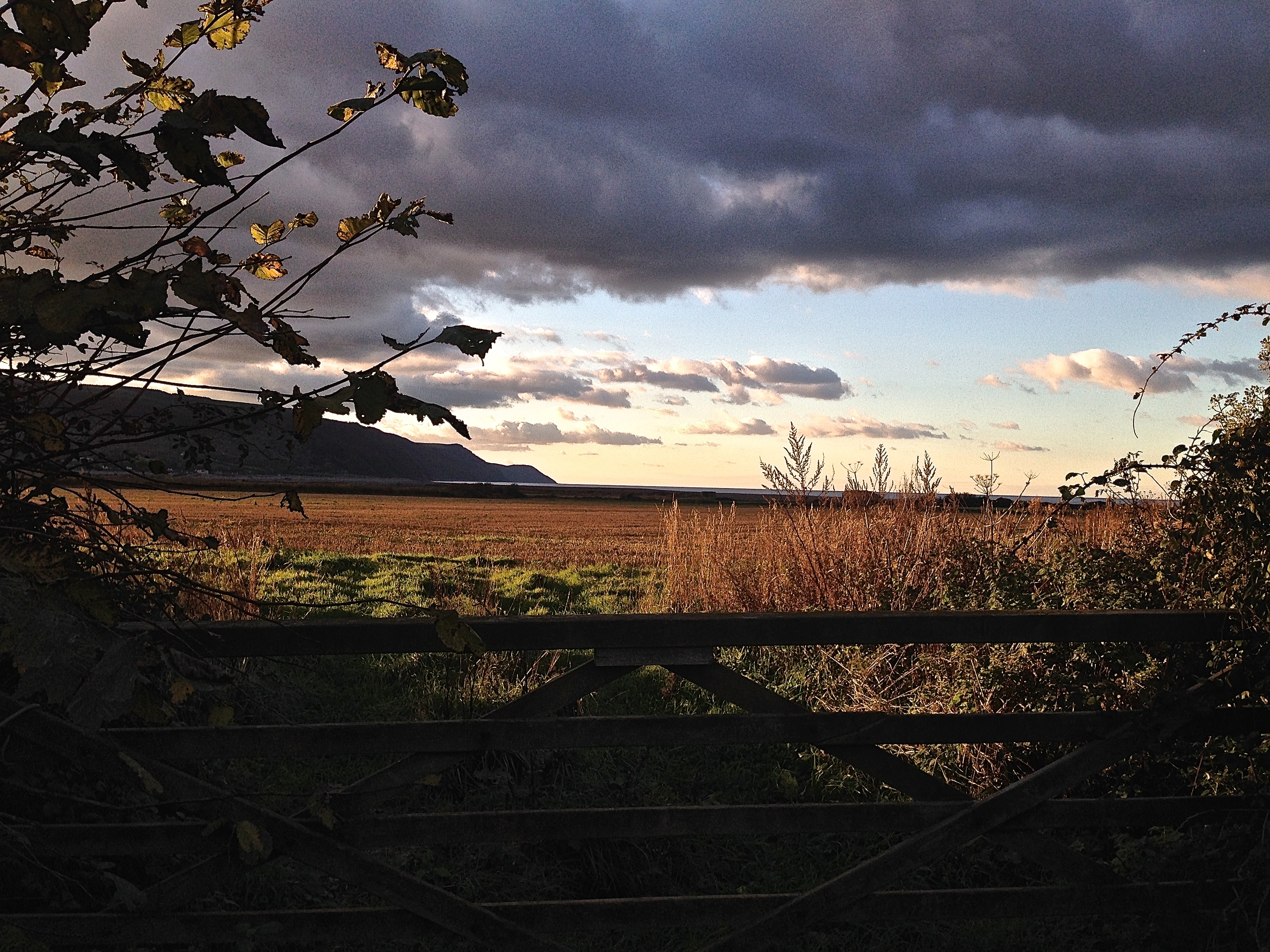
 Exmoor 4 all