Wishing you a wonderful Christmas and a happy, healthy 2024.

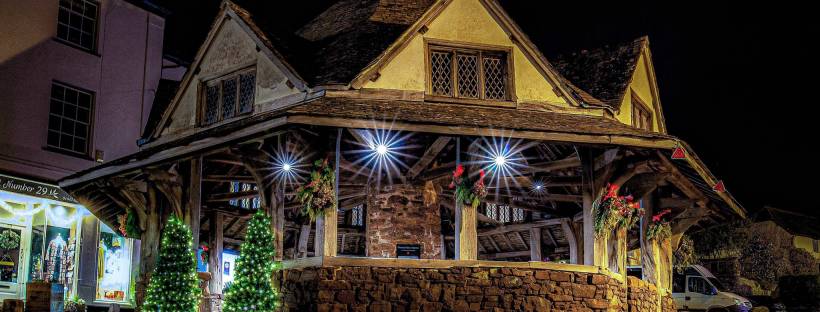
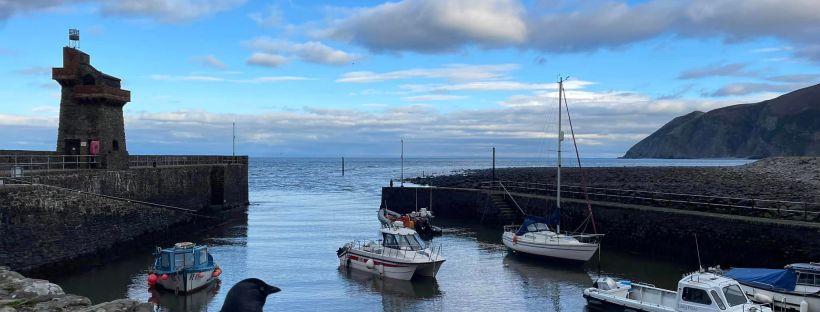
Dunster Yarn Market. Photo by Roger Shattock.
Wishing you a wonderful Christmas and a happy, healthy 2024.
Dunster Yarn Market. Photo by Roger Shattock.

Photos by Gary Clark, taken on 23 December 2023.

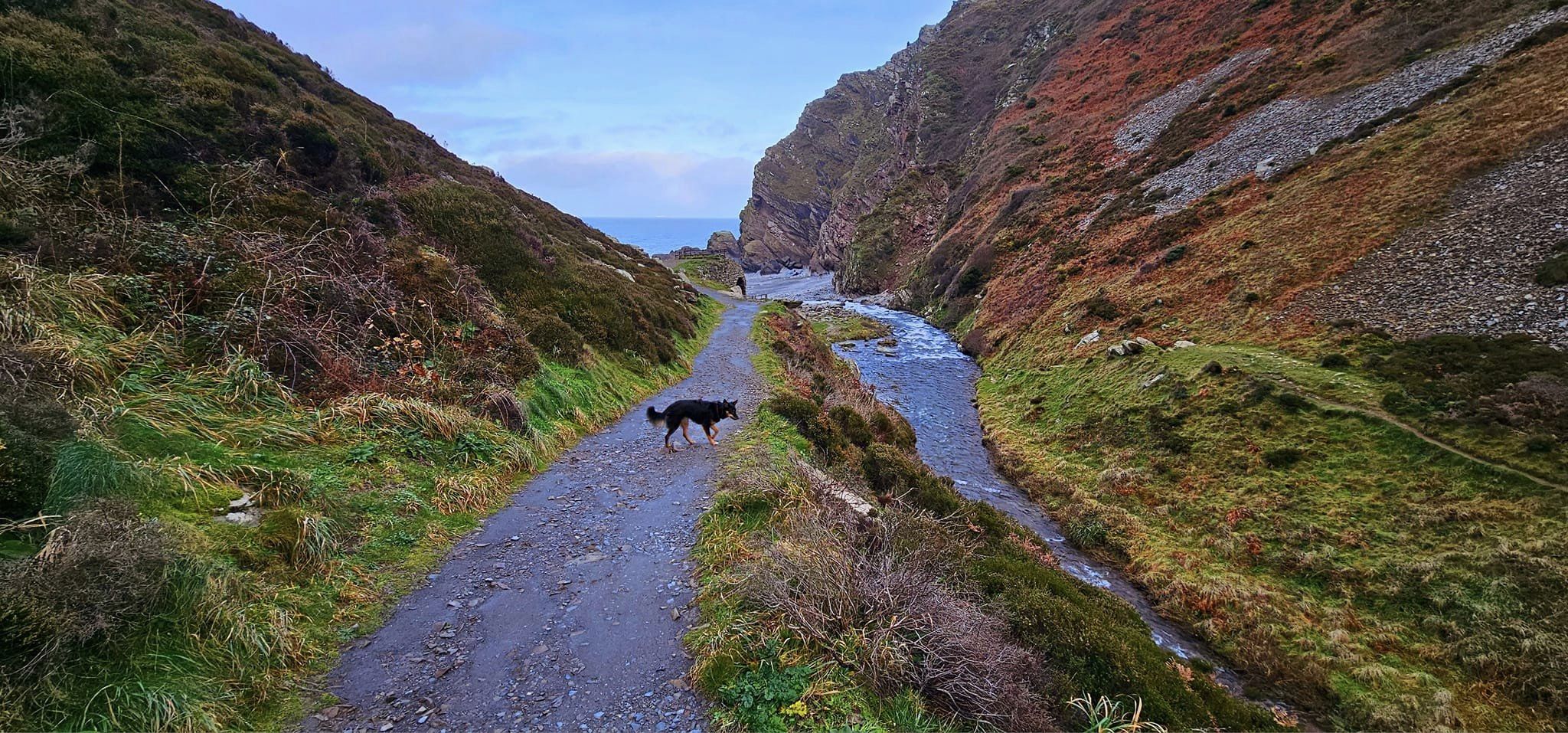
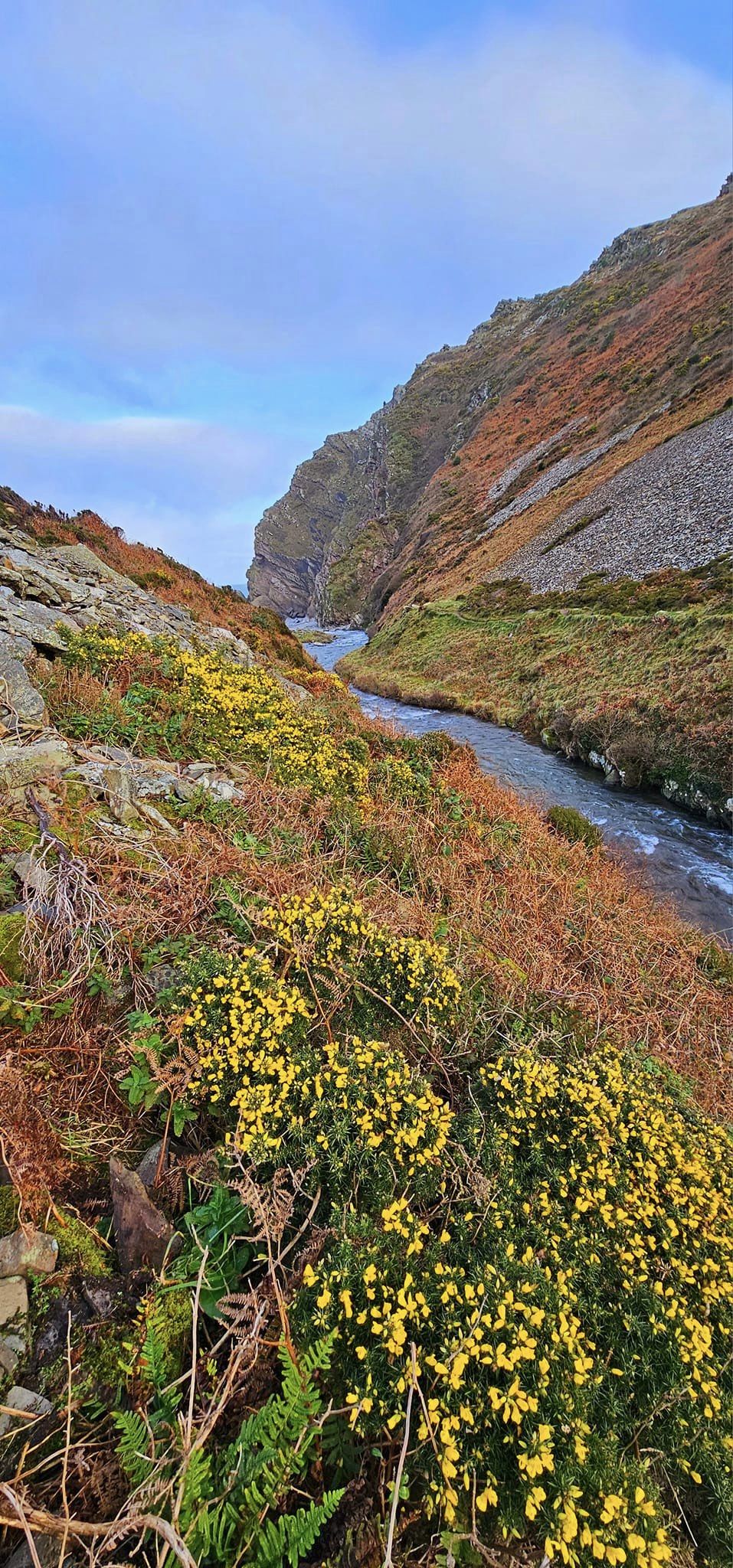


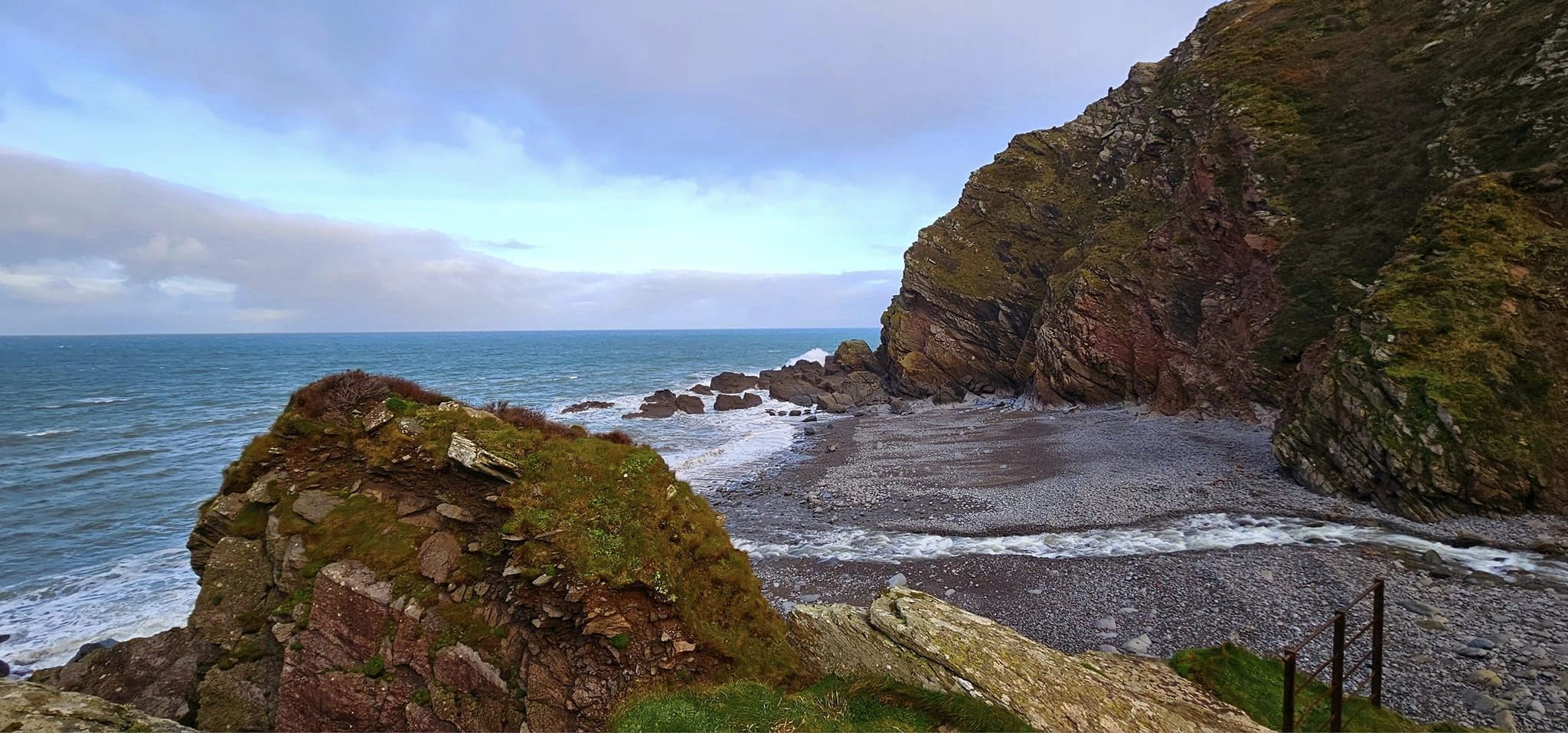
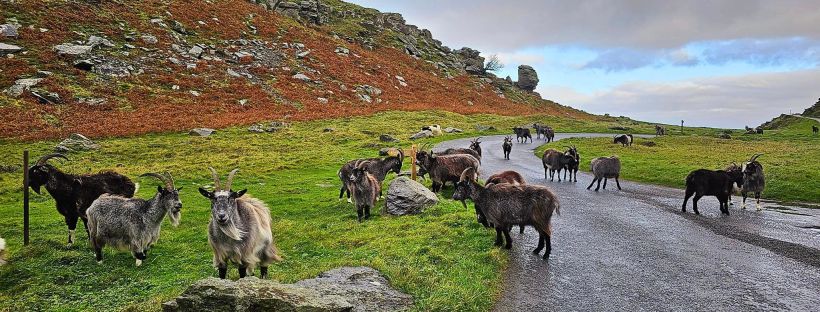
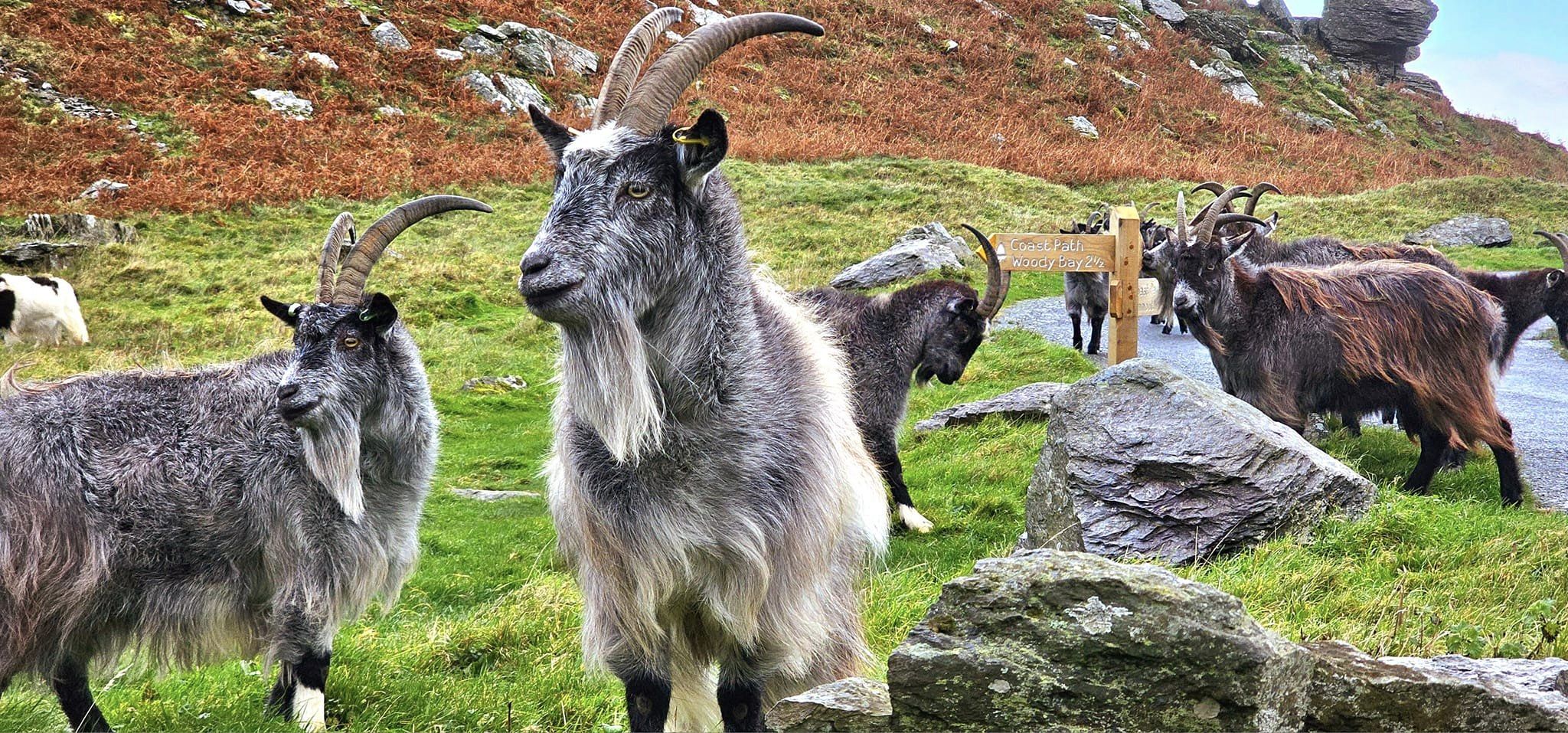
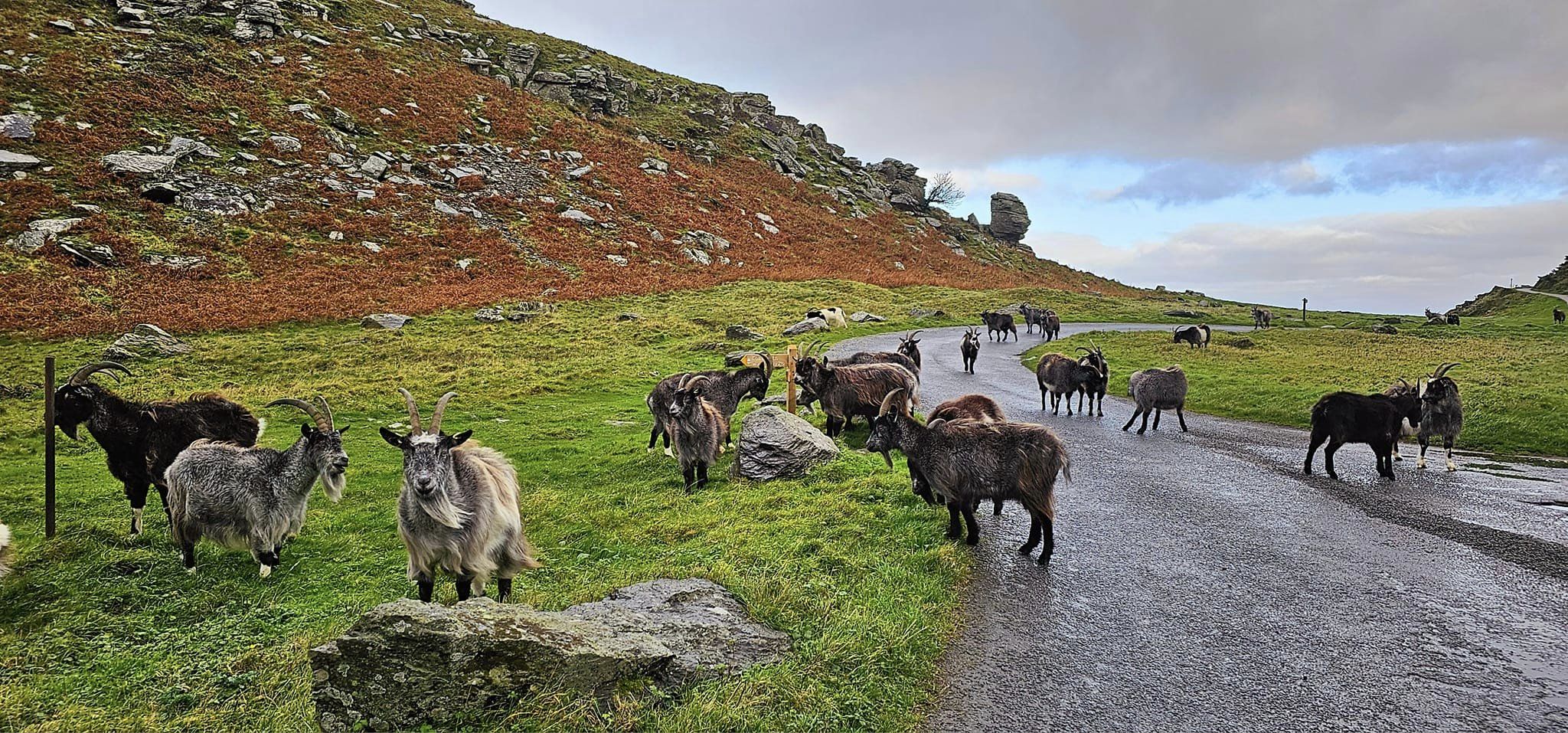


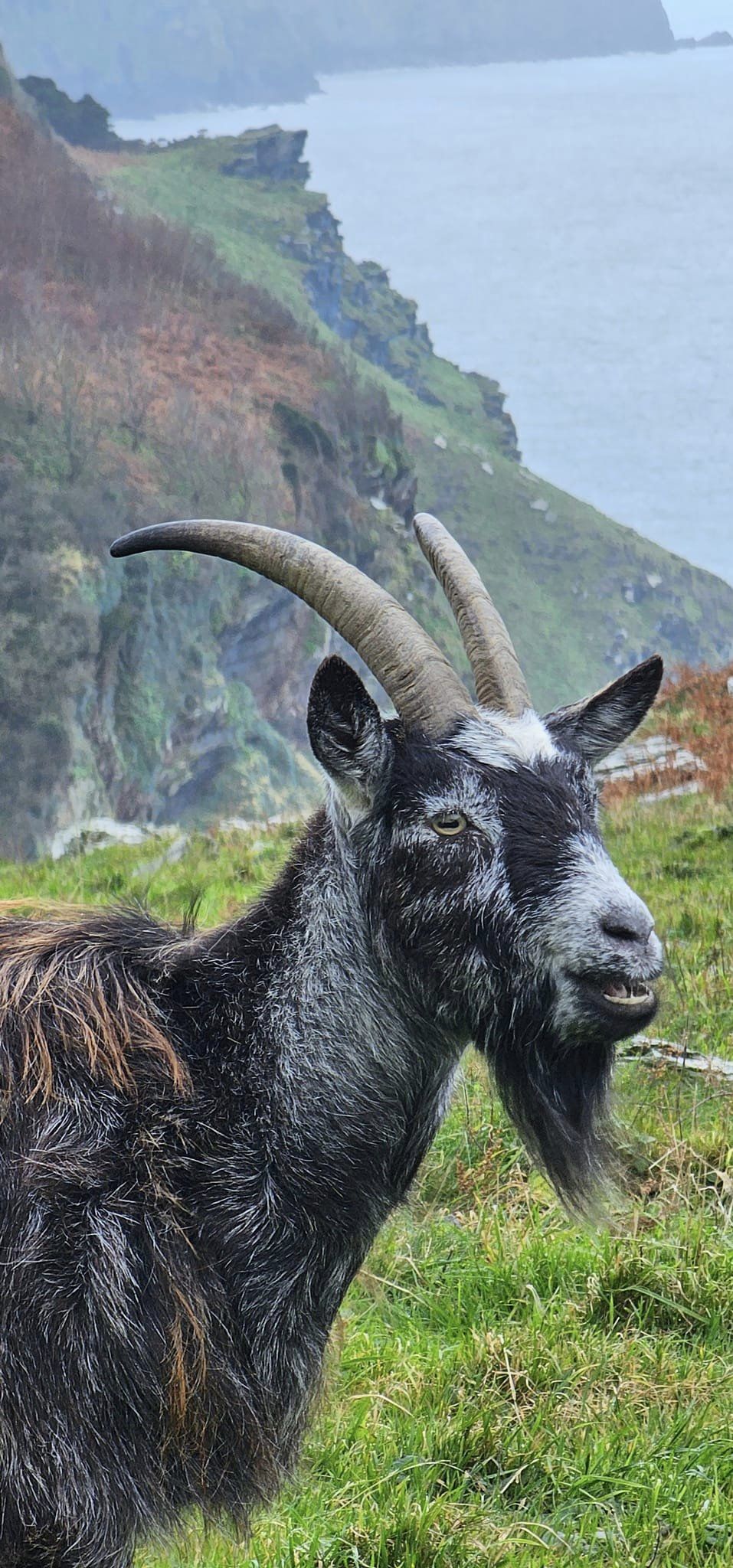

Photos by Gary Clark, 14 December 2023
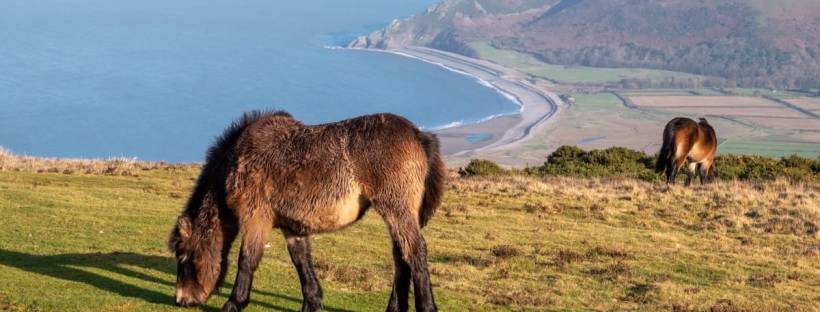
A year ago Exmoor was covered in a beautiful layer of snow – what a difference to this year!
Jochen Langbein shared two images of Exmoor Ponies on Porlock Hill, exactly taken 12 months apart.
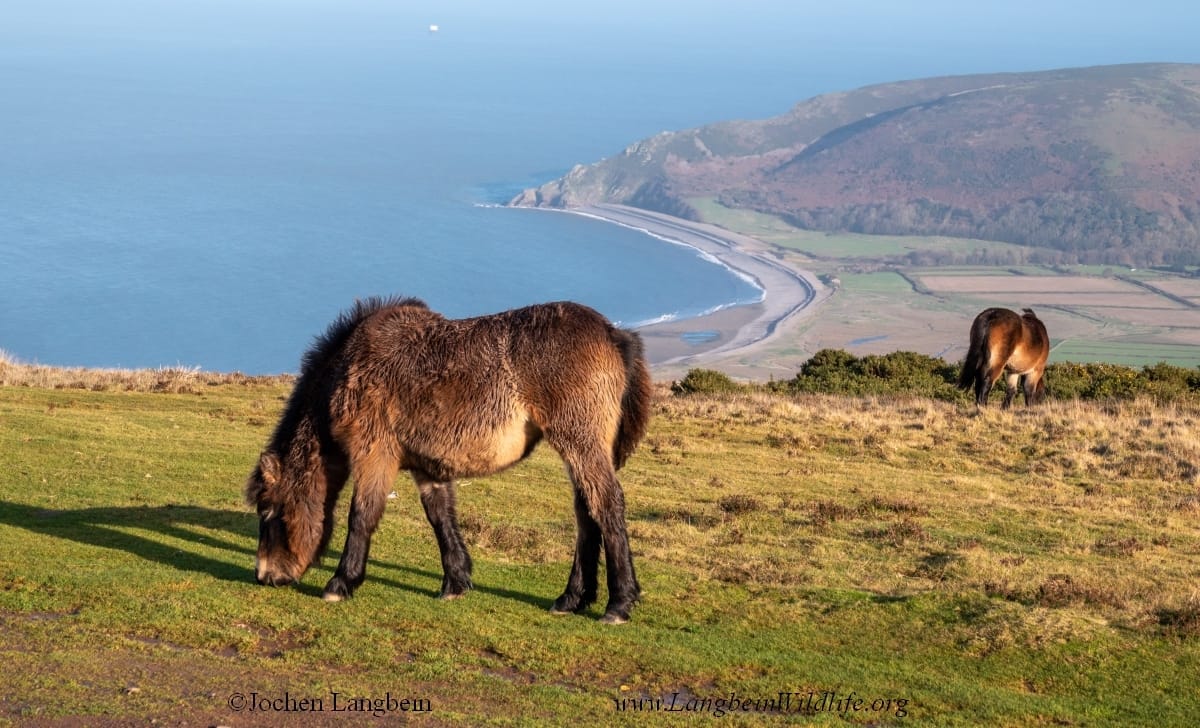
12 December 2023
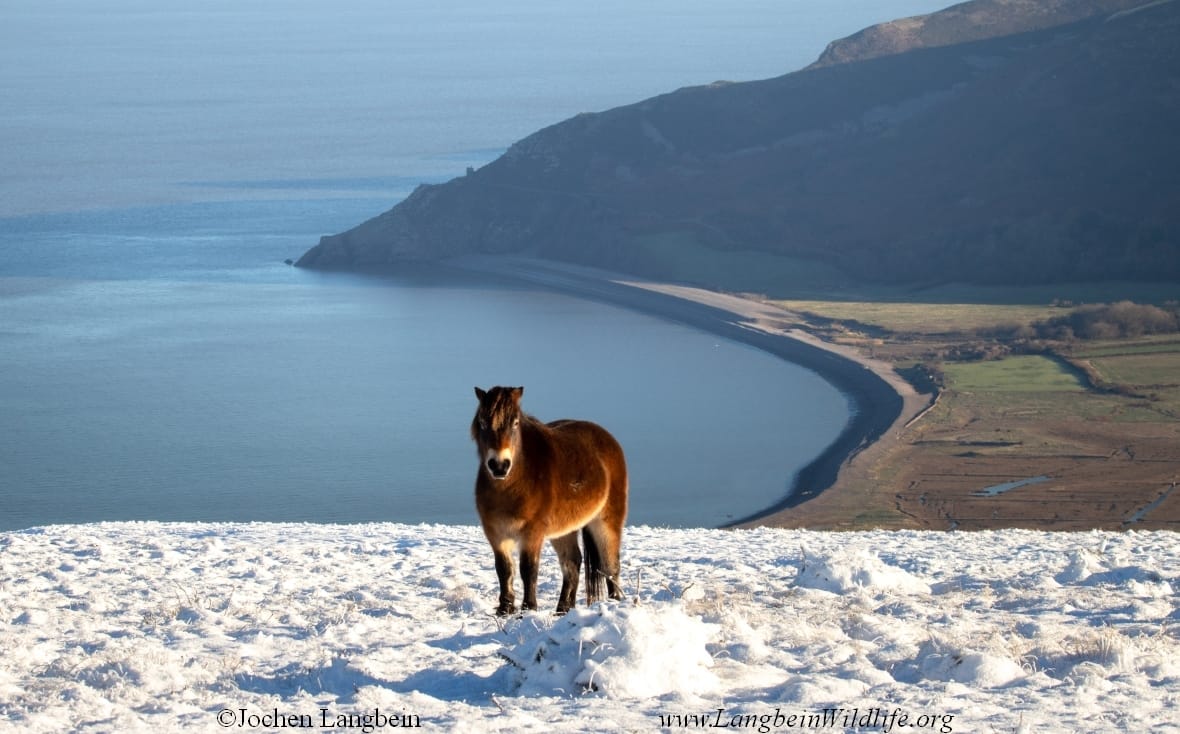
12 December 2022
The first ever Wildlife Photo Calendar by Jochen Langbein is now available!
This 13-month A4 Calendar opening to A3 when hung, is now available at £9.50 plus p&p, or FREE delivery (within 10 miles of Minehead) or collection.
Order now.
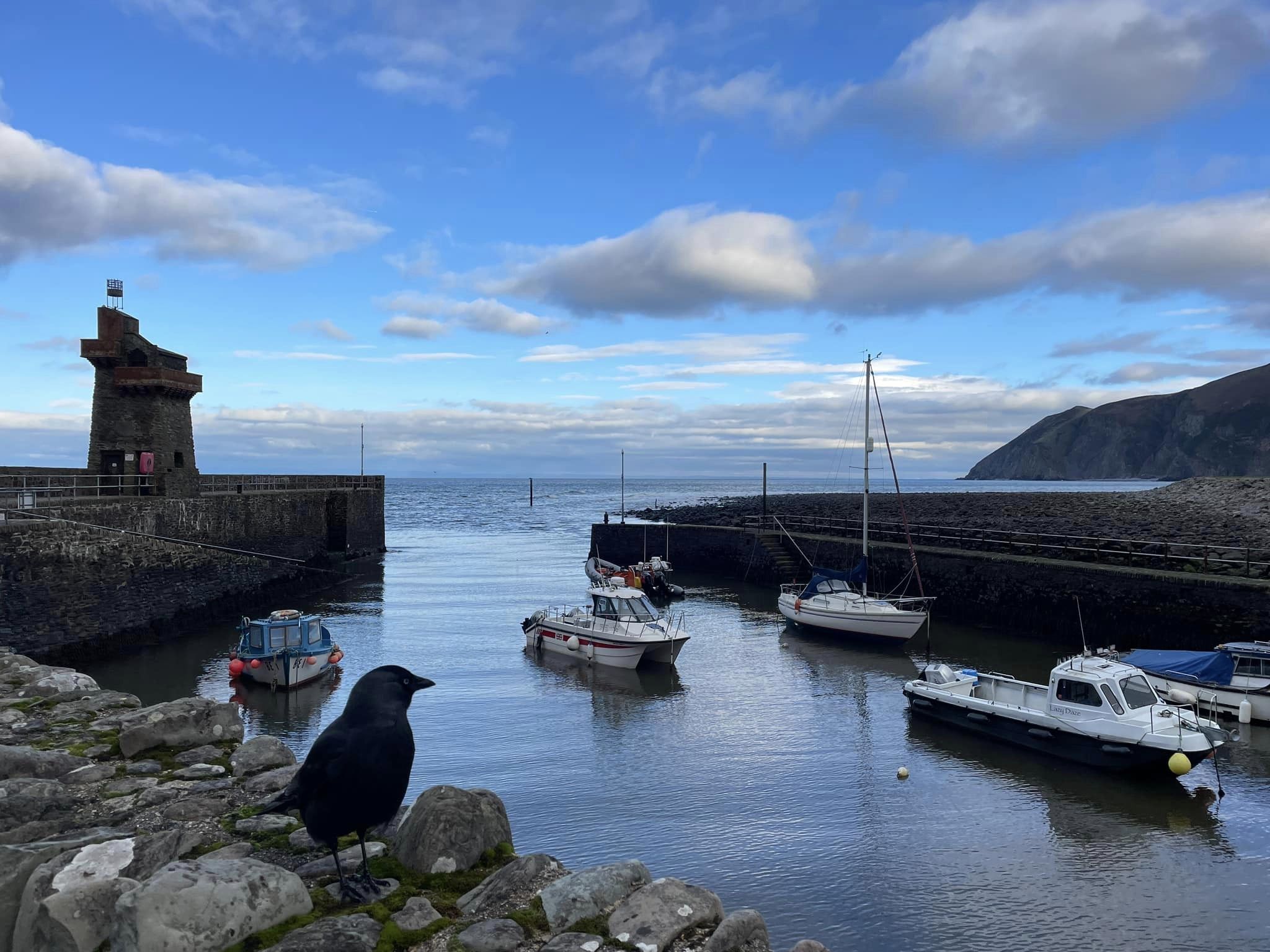

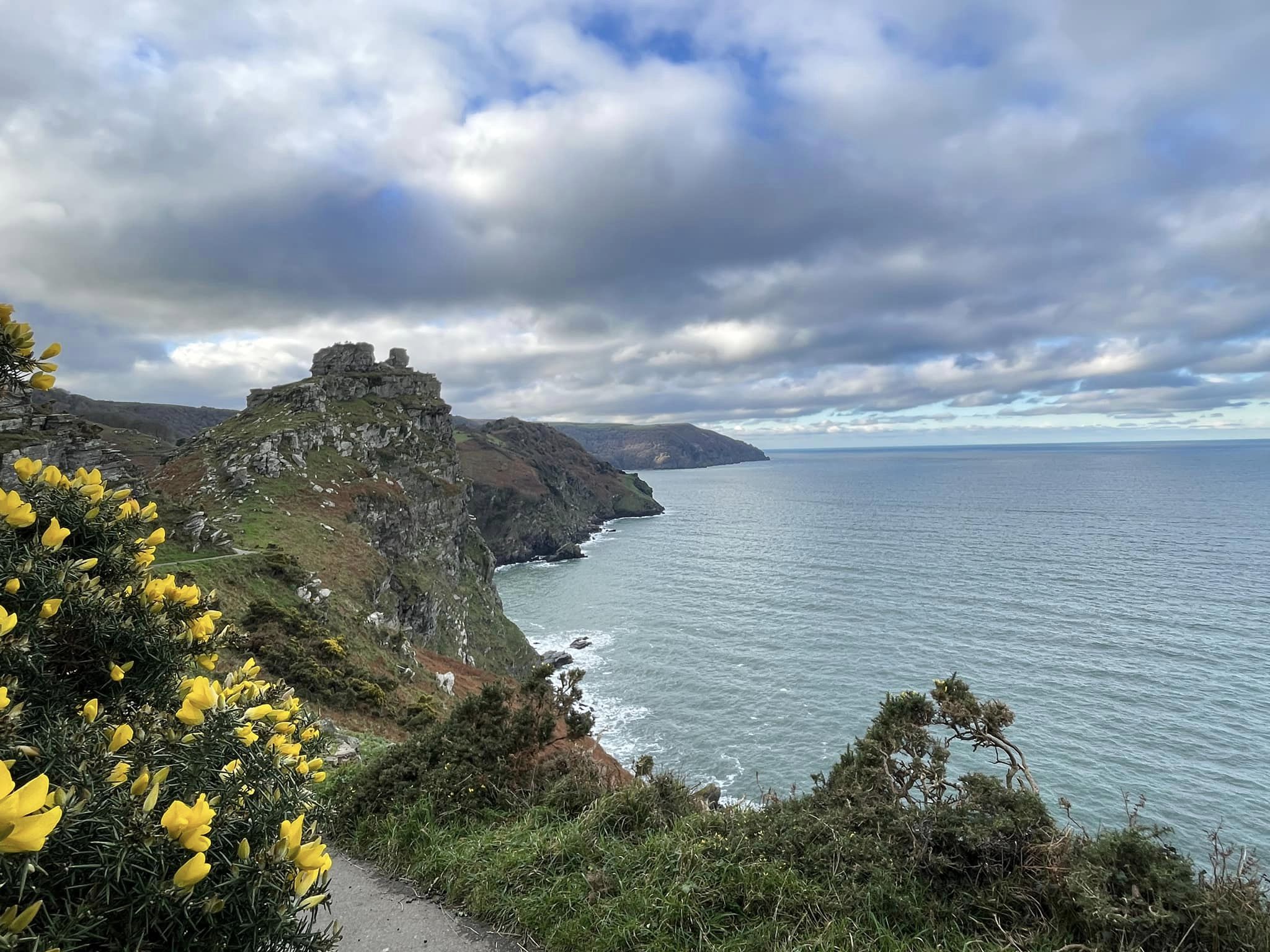


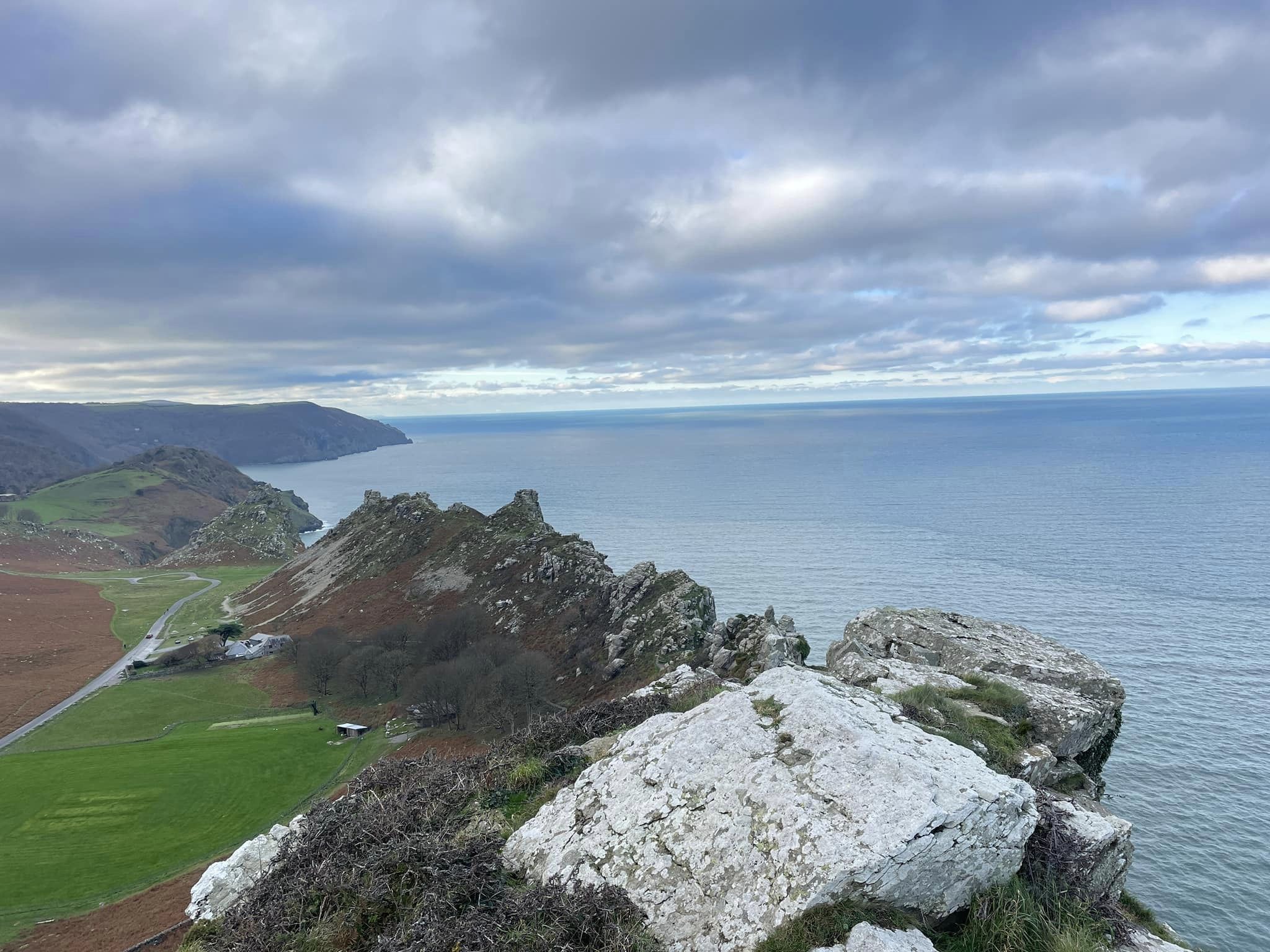
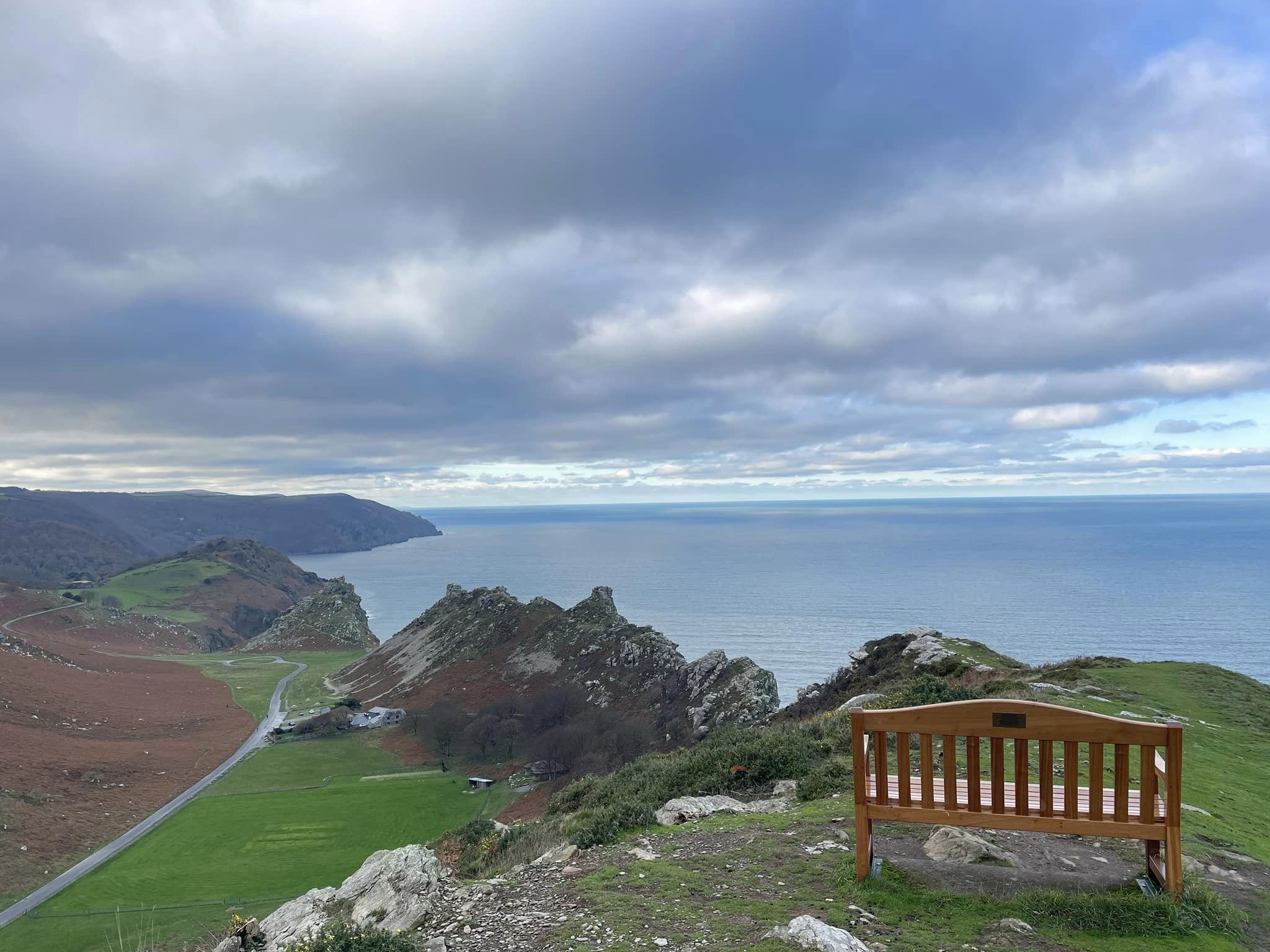


The first ever Wildlife Photo Calendar by Jochen Langbein is now available!
This 13-month A4 Calendar opening to A3 when hung, is now available at £9.50 plus p&p, or FREE delivery (within 10 miles of Minehead) or collection. Each calendar page also has a QR code to a short Exmoor deer or pony video clip related to the image. You can order it directly from Jochen Langbein’s new online shop!



Join Lynton’s independent businesses for a weekend of festive fun:

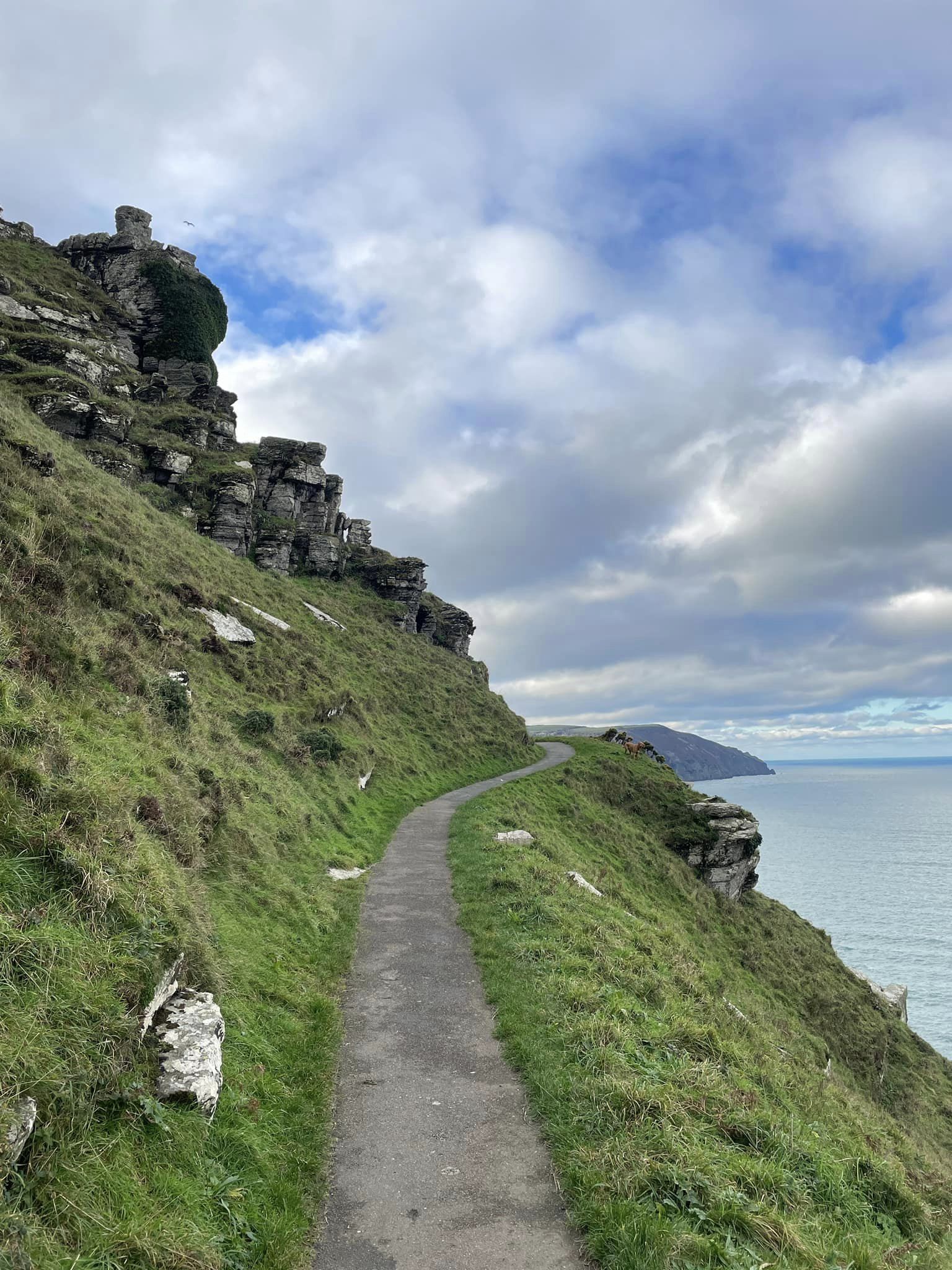
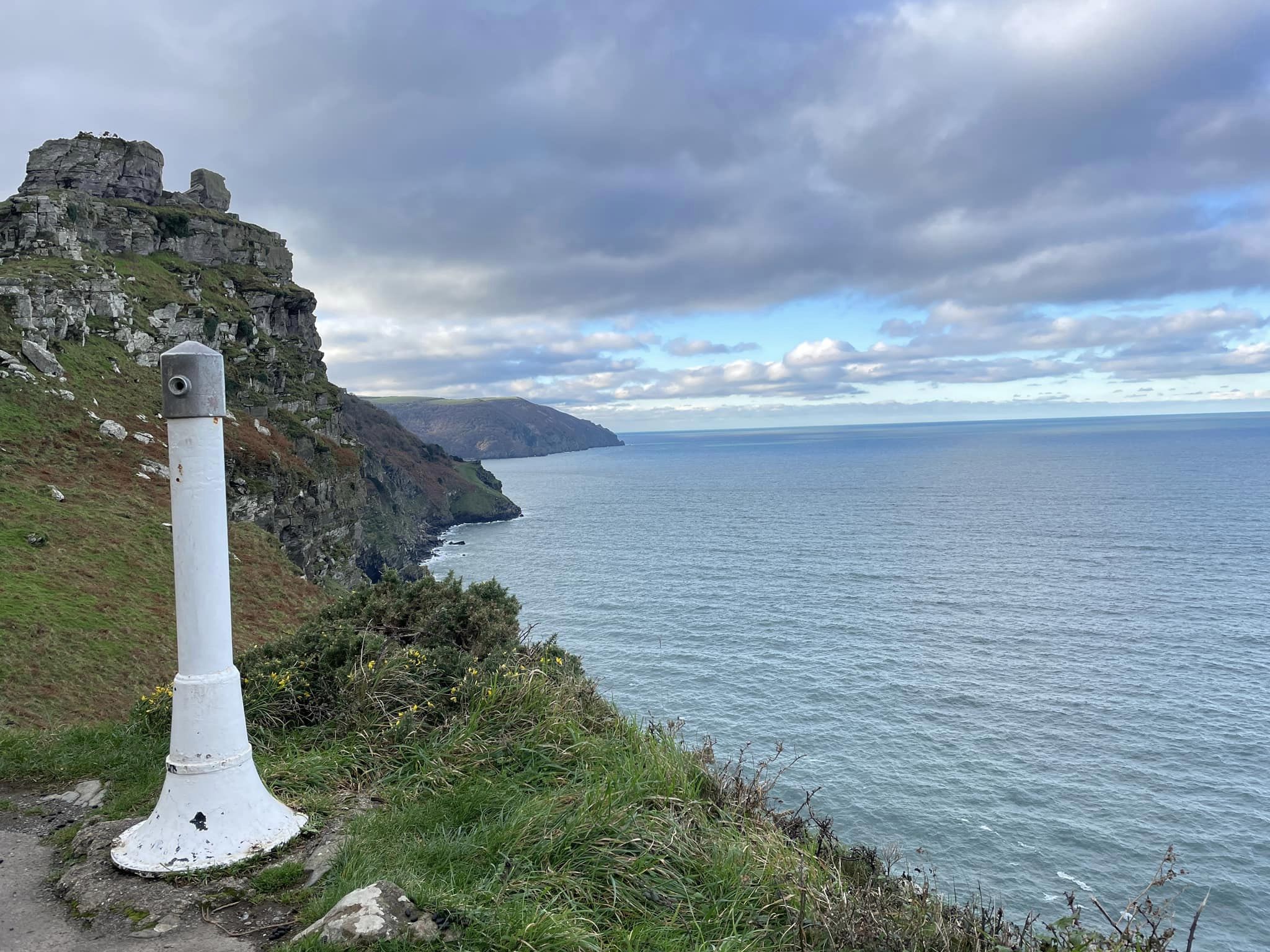
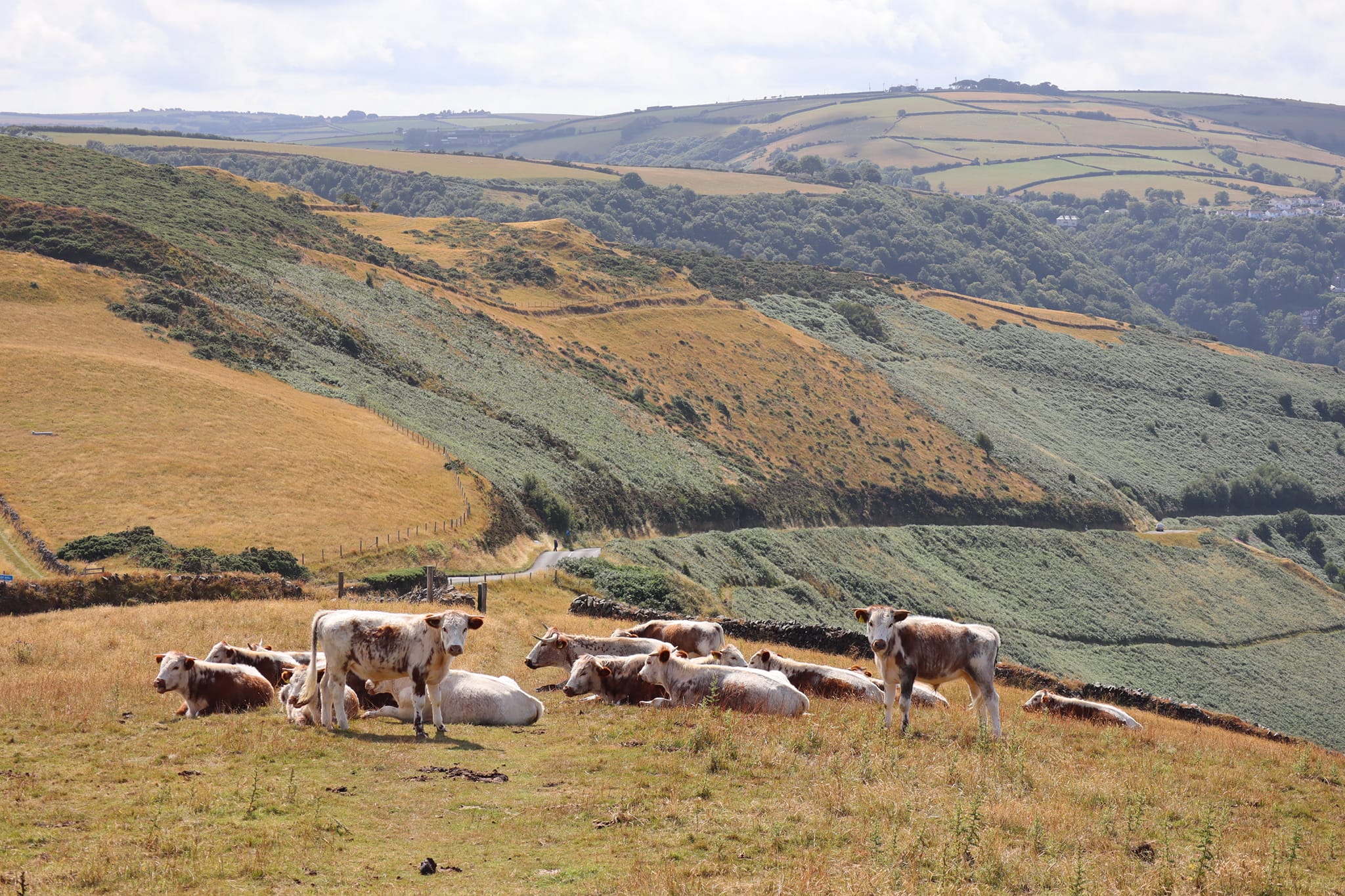
Some favourite views from Valley of Rocks trip yesterday (via Countisbury).
Photos by Adrian Campbell, 13 July 2023


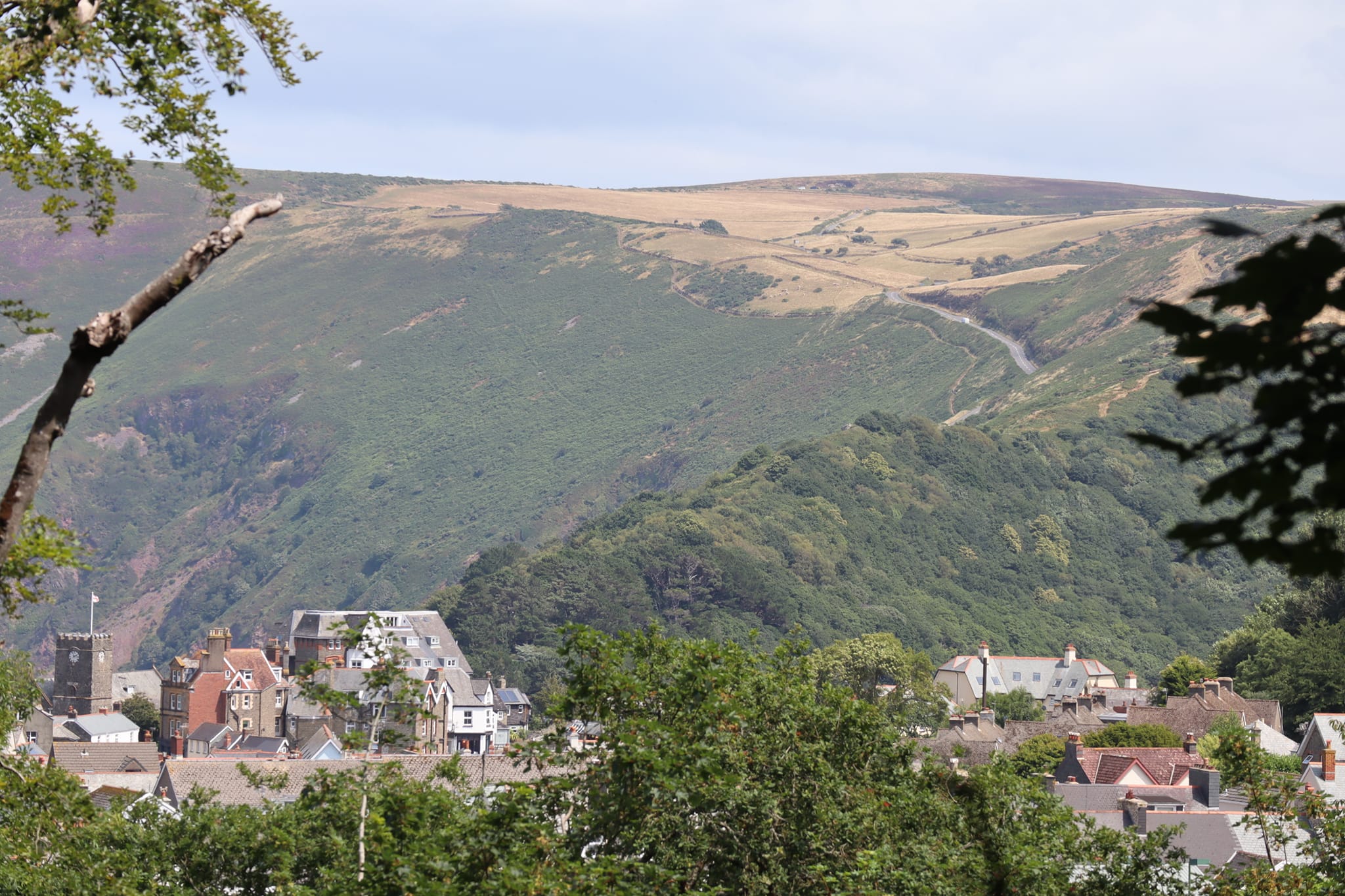
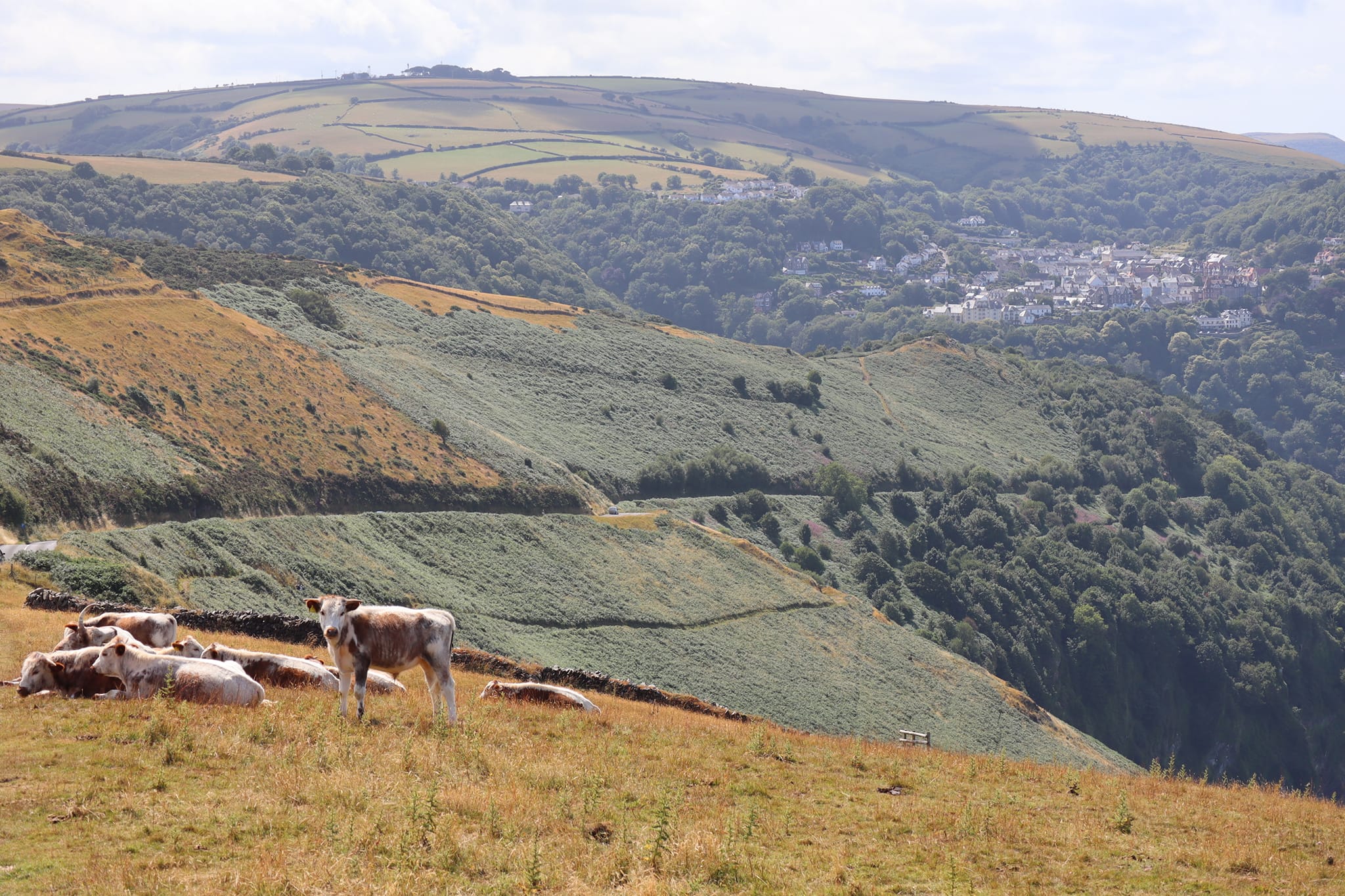
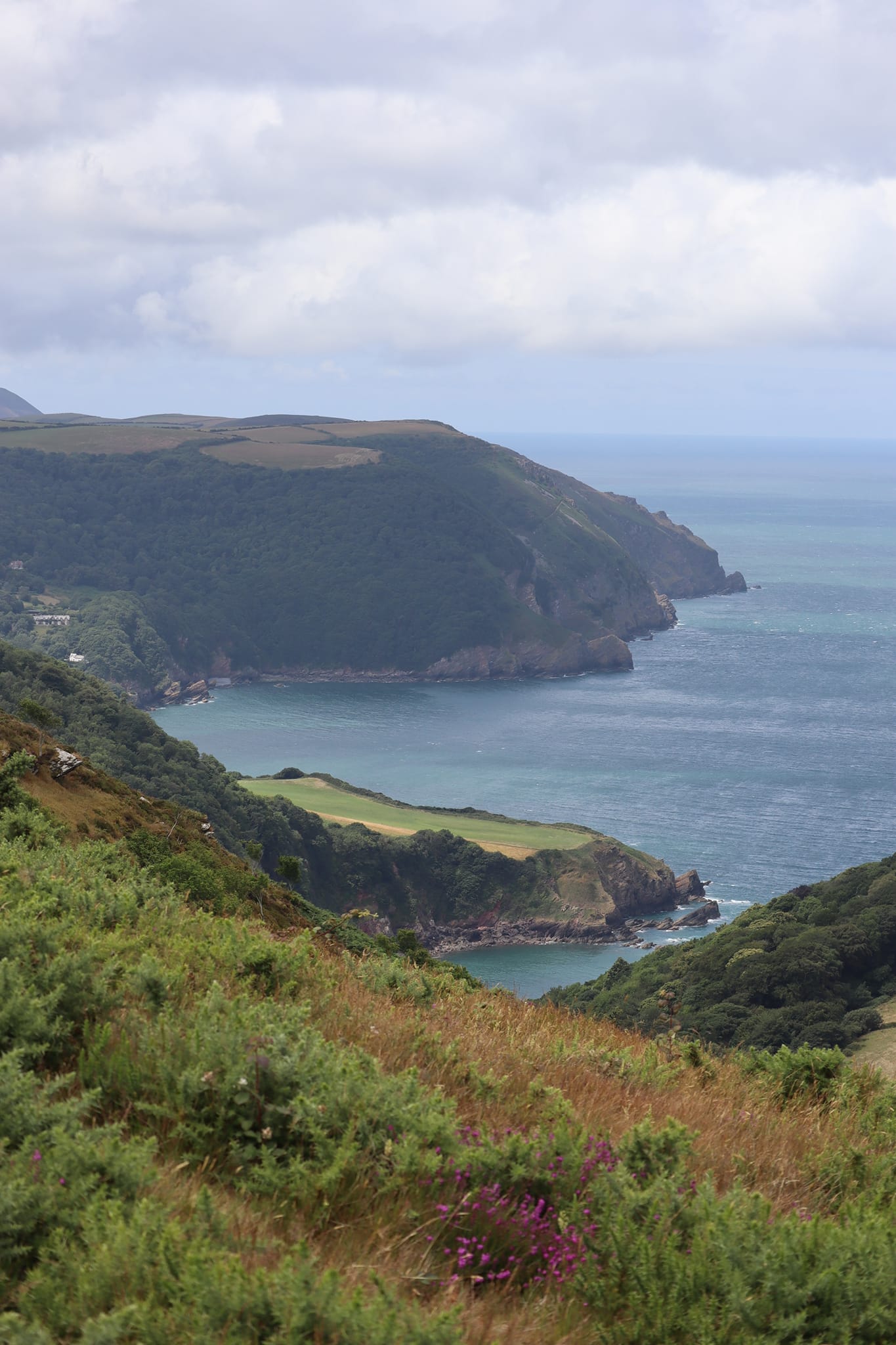

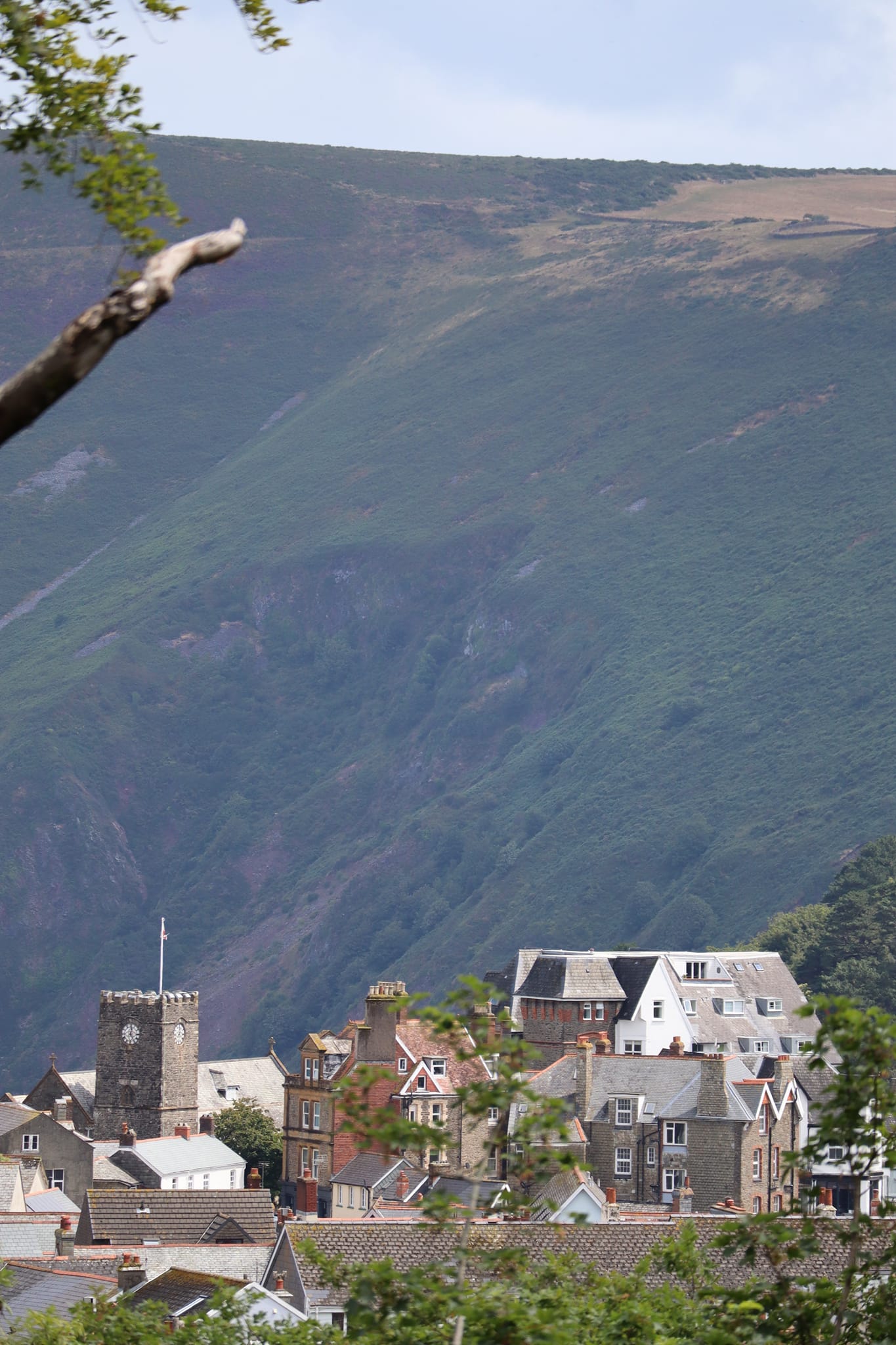
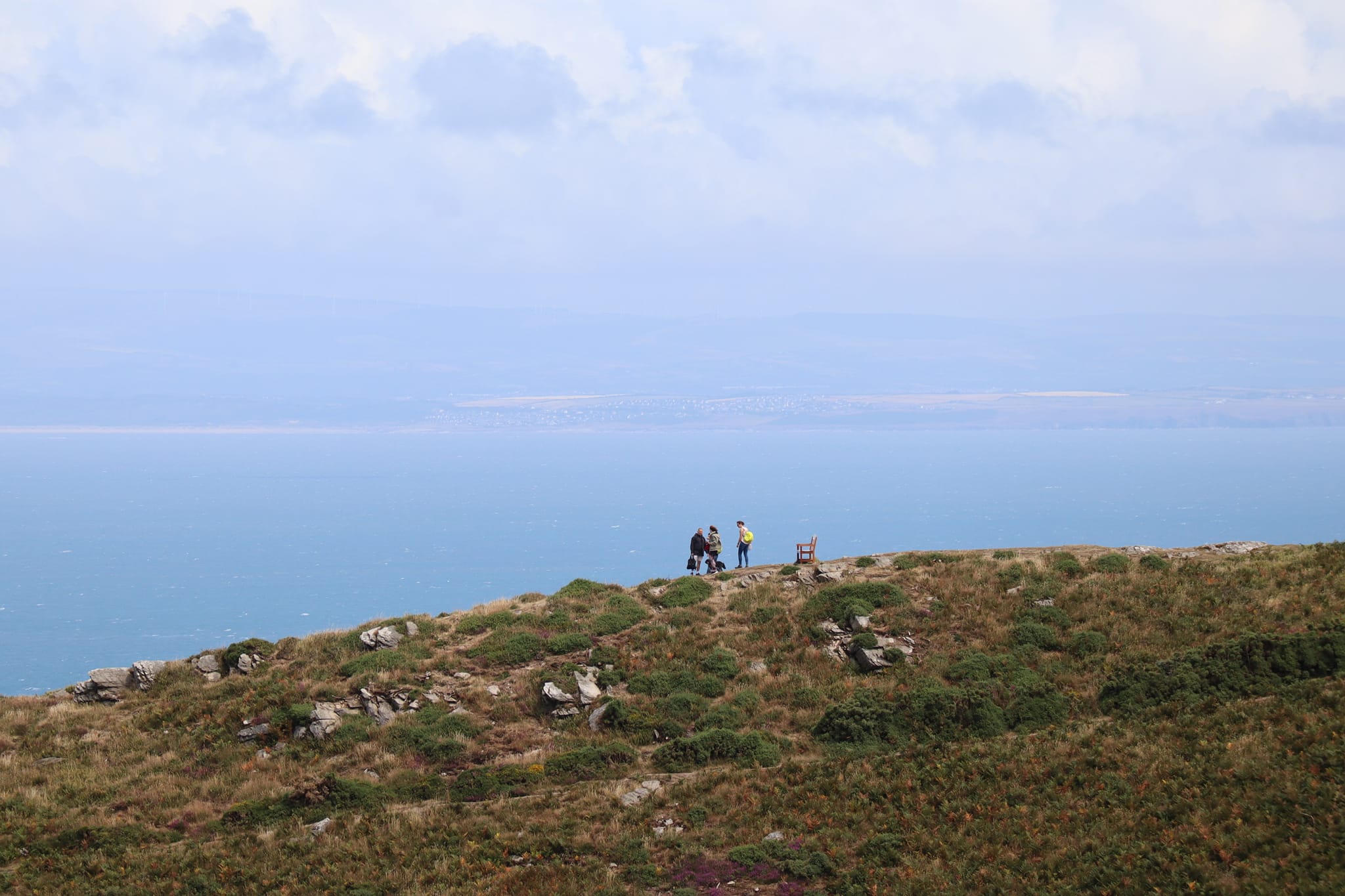

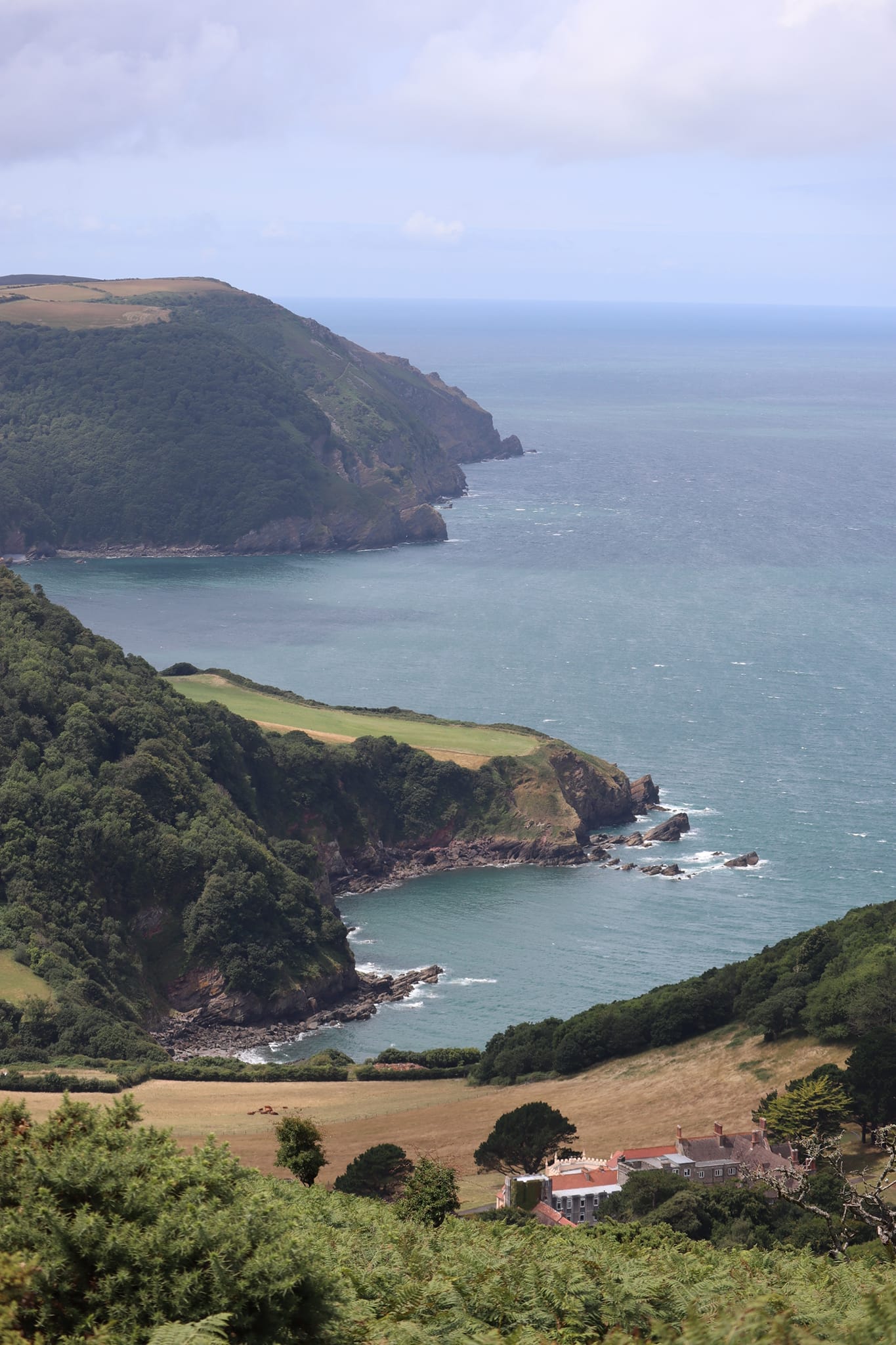
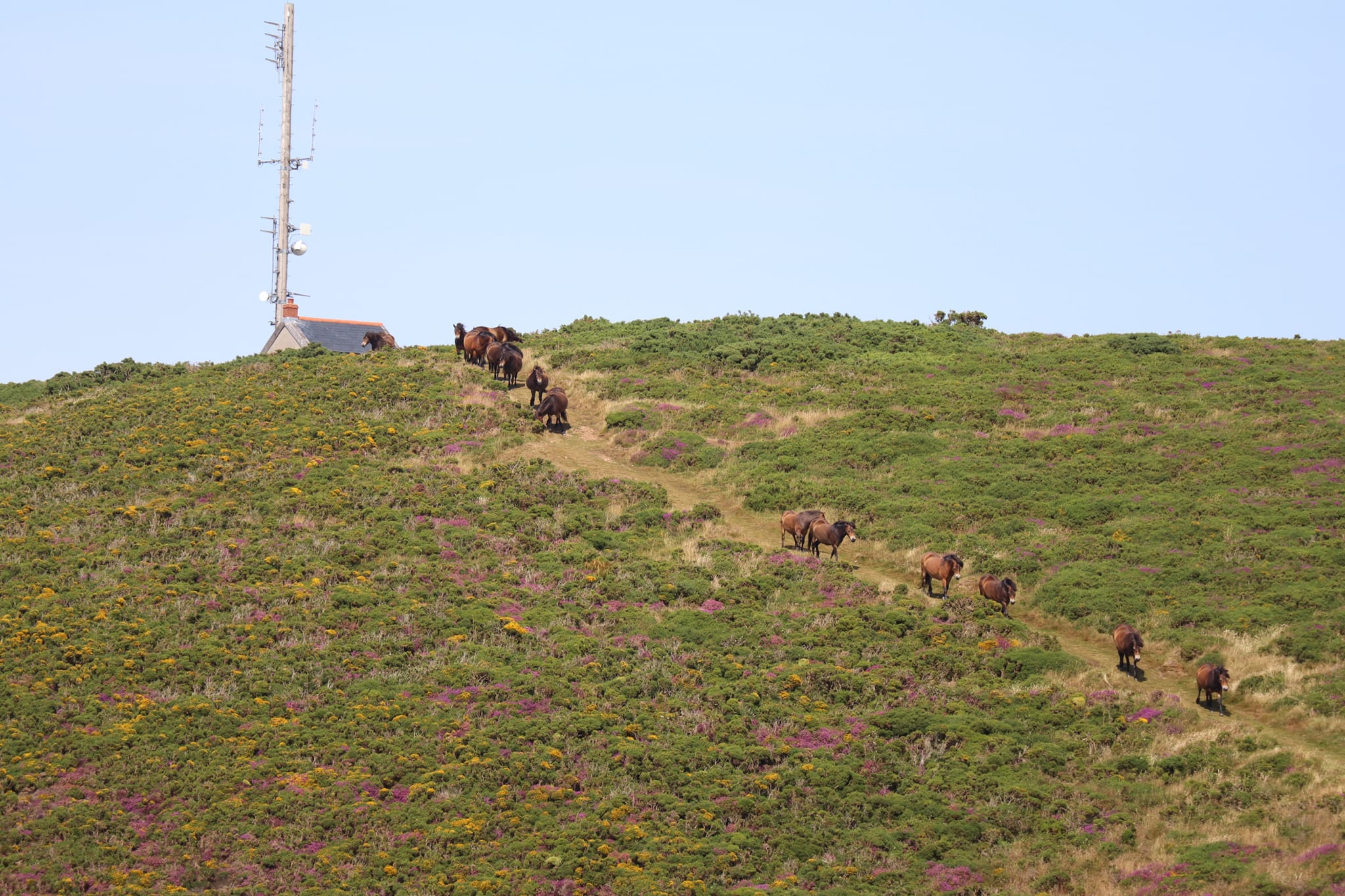
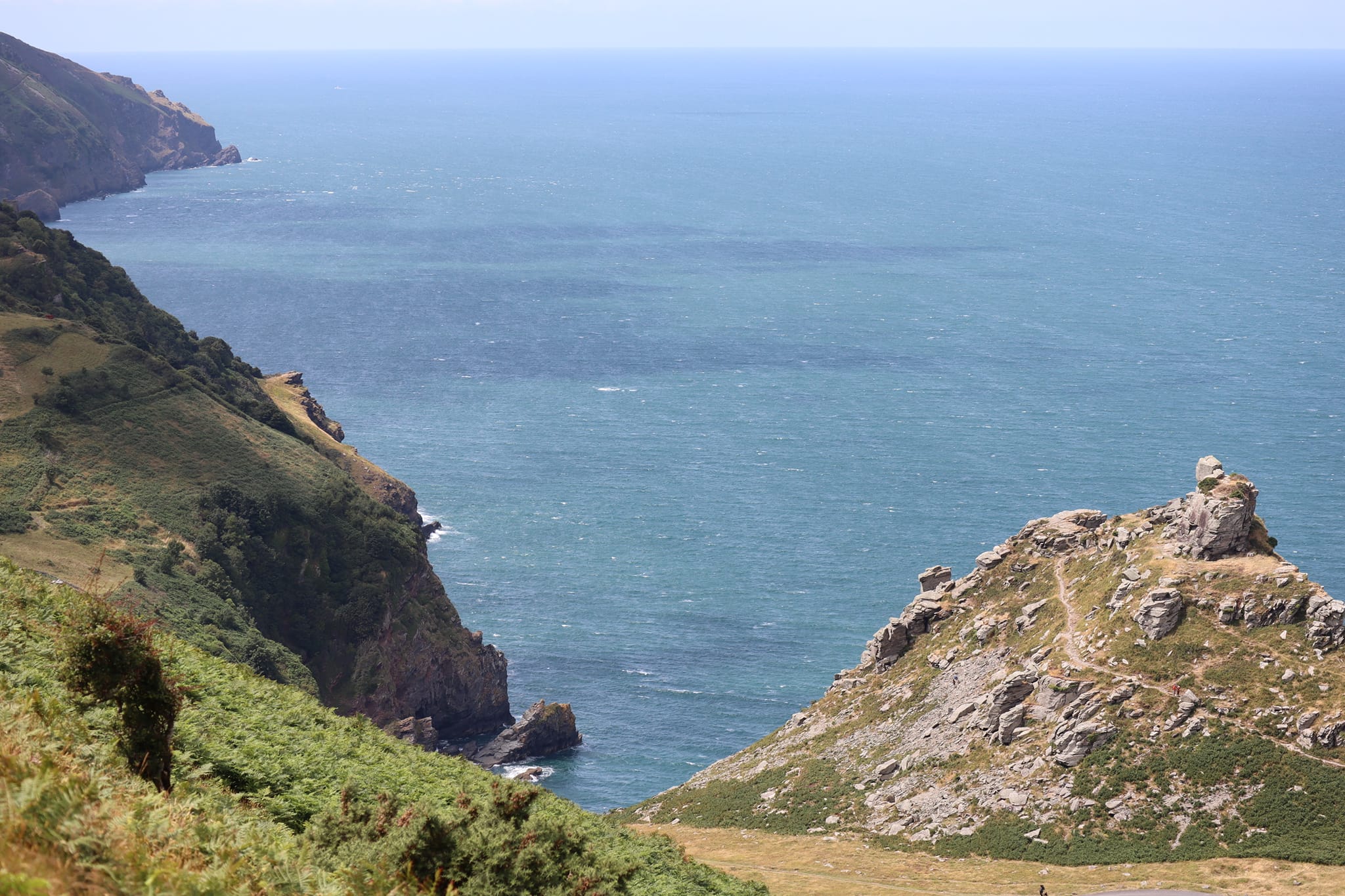
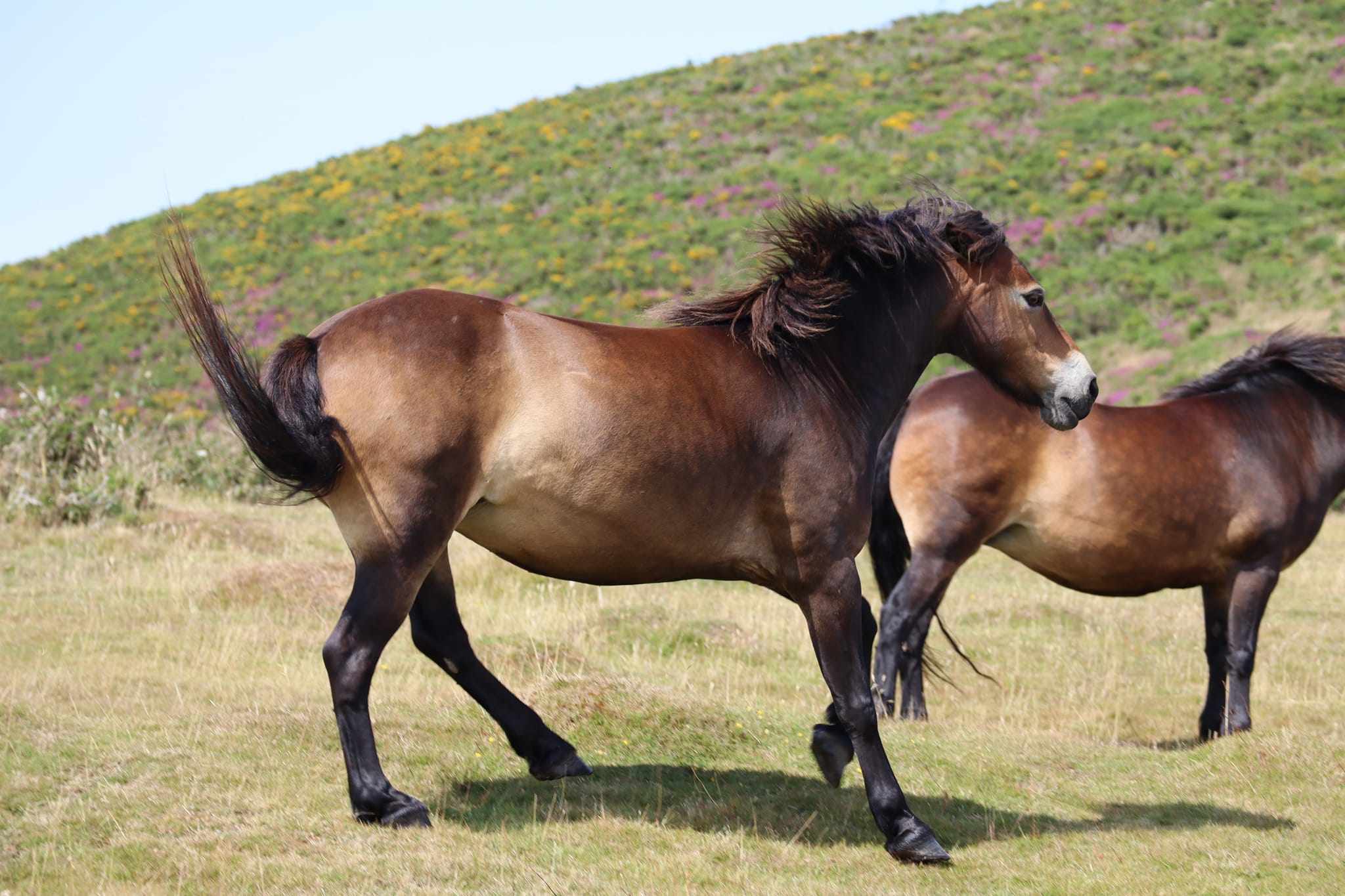


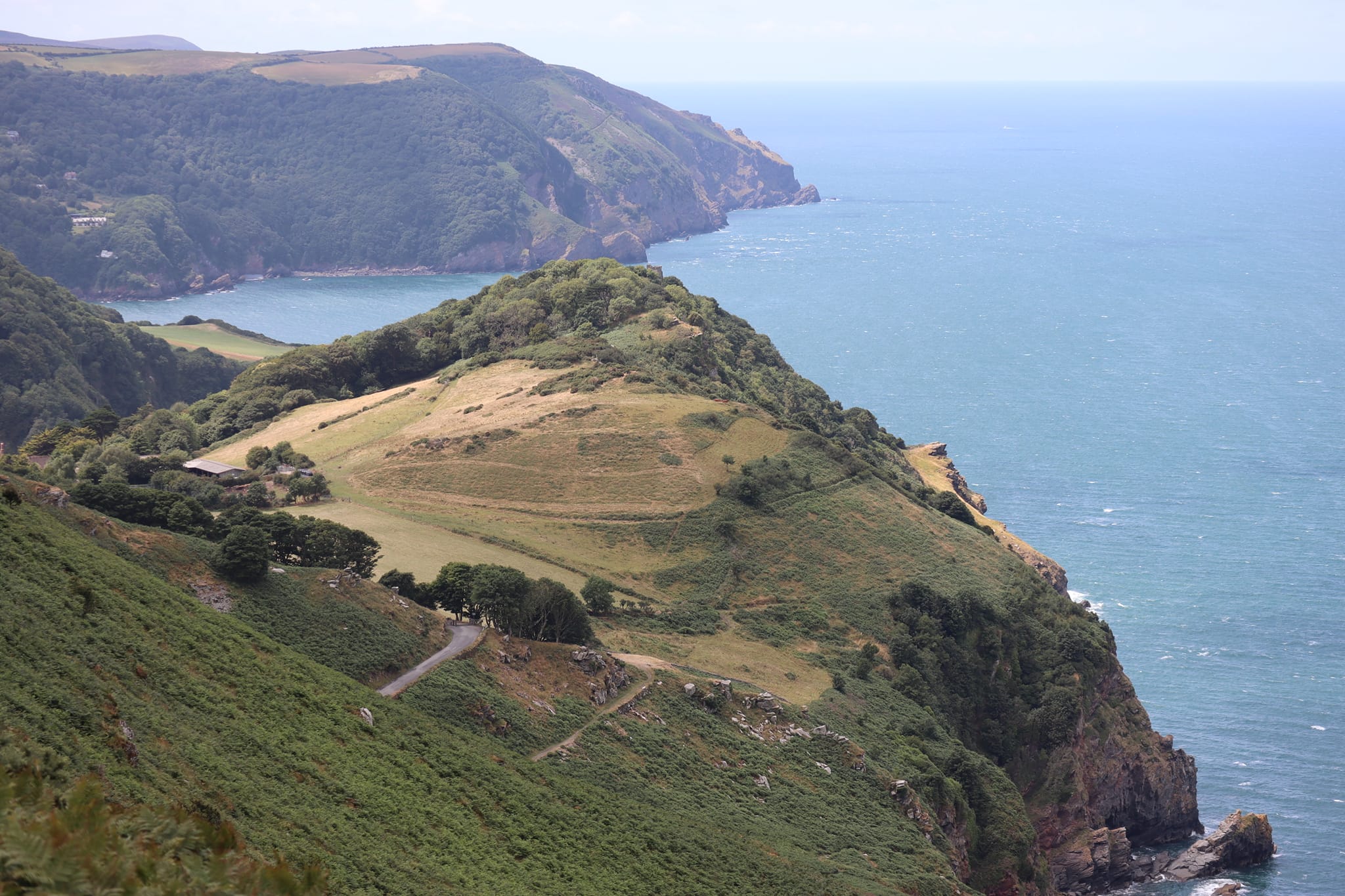


Nestled along the stunning Exmoor coastline lies a hidden gem that has captivated the hearts of visitors for centuries – the enchanting Valley of Rocks. With its rugged cliffs, dramatic rock formations, and breathtaking views, this unique natural wonder is a must-visit destination for nature enthusiasts, geology aficionados, and adventure seekers alike.
The Valley of Rocks, situated near the picturesque village of Lynton, boasts extraordinary geological significance. Formed millions of years ago during the Ice Age, the valley stands as a testament to nature’s incredible sculpting power. Glacial forces carved their way through the landscape, leaving behind a stunning array of towering rock formations, deep crevices, and winding pathways that contribute to the valley’s dramatic allure.
Stepping into the Valley of Rocks transports visitors to another realm altogether. The landscape is dominated by towering cliffs adorned with ancient trees and vibrant flora. As you meander along the winding footpaths, you’ll be greeted by breathtaking vistas of the Bristol Channel, neighbouring cliffs, and Exmoor’s rugged charm.
The iconic Castle Rock, aptly named for its castle-like appearance, proudly stands as the valley’s centrepiece. It entices intrepid explorers to ascend its rocky slopes for a rewarding panoramic view stretching far into the horizon. The valley is also home to awe-inspiring rock formations like the Devil’s Cheesering and Ragged Jack, which spark the imagination and transport visitors to a world of mythical tales and legends.
Beyond its geological wonders, the Valley of Rocks is renowned for its diverse flora and fauna. The rugged cliffs provide a sanctuary for an array of rare and protected plant species, including wildflowers and ferns, flourishing in the sheltered nooks and crannies of the rock formations. As you traverse the valley, keep an eye out for resident feral goats, which have roamed freely in this area for centuries, adding to the valley’s unique charm.
For the intrepid adventurer, the Valley of Rocks offers an abundance of outdoor activities. Hikers and walkers can choose from an array of well-marked footpaths that wind their way through the valley. The South West Coast Path, stretching along the cliff tops, offers breathtaking views of the surrounding landscape and opportunities to spot seabirds soaring above the crashing waves.
Nature lovers can also enjoy wildlife spotting, as the valley is home to numerous bird species, including peregrine falcons and kestrels. Additionally, rock climbing enthusiasts will find ample opportunities to test their skills on the challenging cliffs and crags dotting the valley’s terrain.
Beyond its natural beauty, the Valley of Rocks is steeped in rich heritage and history. Visitors can explore the remnants of an Iron Age hillfort atop Castle Rock, serving as a reminder of the valley’s ancient past. Additionally, the valley’s association with the Romantic poet Samuel Taylor Coleridge adds a literary touch to its allure. Coleridge found inspiration in the valley’s majestic scenery and immortalised it in his poetry, forever weaving the Valley of Rocks into the fabric of literary history.
Located in close proximity to the Valley of Rocks is the charming village of Countisbury. Nestled on the cliffs overlooking the Bristol Channel, Countisbury is steeped in history and offers stunning panoramic views of the surrounding coastline.
The village is renowned for its picturesque charm, with quaint thatched cottages and a historic church that stands as a testament to its rich heritage. From the village, visitors can embark on scenic hikes along the South West Coast Path, immersing themselves in the breathtaking beauty of the coastal cliffs and encountering breathtaking views at every turn.
One of Countisbury’s notable attractions is the magnificent Countisbury Castle, an ancient hillfort dating back to the Iron Age. Perched on the hilltop, it offers visitors a glimpse into the region’s fascinating past while commanding sweeping vistas of the dramatic coastline. The castle’s strategic location and historical significance make it a must-visit destination for history enthusiasts and those seeking to connect with the ancient heritage of the area.

Rudely awoken at 4.55am on Sunday morning by the visiting pheasants, having a contretemps in the front garden, I opted to creep downstairs, open up the rooms to an Exmoor morning and make myself some breakfast. A little early to be eating the first meal of the day, I’d thought to myself, yet looked forward to it anyway.
Armed with my lemon and ginger tea and a bowl of fruit and nut muesli, fresh nectarines and yoghurt, I’d made my way up to the old wooden bench in the top garden, to wait for the morning sun to peer through the beech trees. It was nearly there, but not quite; a few spoonfuls from my dish of delights and I’d known that I’d surely see its brightness rising through the branches very soon. It was always so very peaceful at that time of the morning, once the pheasants had sorted their squabbles out, and I’d grown to relish the hours of calm bestowed on me before the world had properly woken up.
Even at that time of day the warmth was already there and, surrounded by purple clematis that had threaded its way through the trellis, heady pink roses and tall penstemon, I’d sat and enjoyed breakfast with the song of a dunnock and the company of a family of blue tits that had come down to feed on some sunflower hearts. In my sage green pyjamas, the long legs of which had been hiked up above my knees, I must have blended quite well with the garden; the visitors had either felt safe with me there or had been ready for their breakfast too. Feeling satisfied, I’d returned to my bed with my book and promptly dropped off to sleep. That had not been the plan.
Two hours later and I was awake again, ready for breakfast number two! I’d thought how ridiculous it all was that I could be up and about, fed and watered and ready for the day only to succumb to the land of slumber with the click of a finger. I’d gone out like the proverbial light, and blamed it on the lateness of the hour the previous evening, when I’d stayed up to watch Guns ‘n’ Roses performing their Glastonbury set. I’m usually a ten o’clock and ready-for-bed person so, for me, that was pushing the boat out somewhat. Still, nothing had been lost as my husband and I had eaten breakfast together, and taken our coffee to the bench up by the mini meadow, where a plethora of daisies were growing. It was there that we chatted about the day ahead of us. Firstly, there had been an errand to run over Wheddon Cross way so, with the heat of the sun being felt on our bare legs and morning coffee finished, we’d left a female blackbird pottering about the wildlife pond, tossing leaves this way and that in search of grubs, and set to with the day.
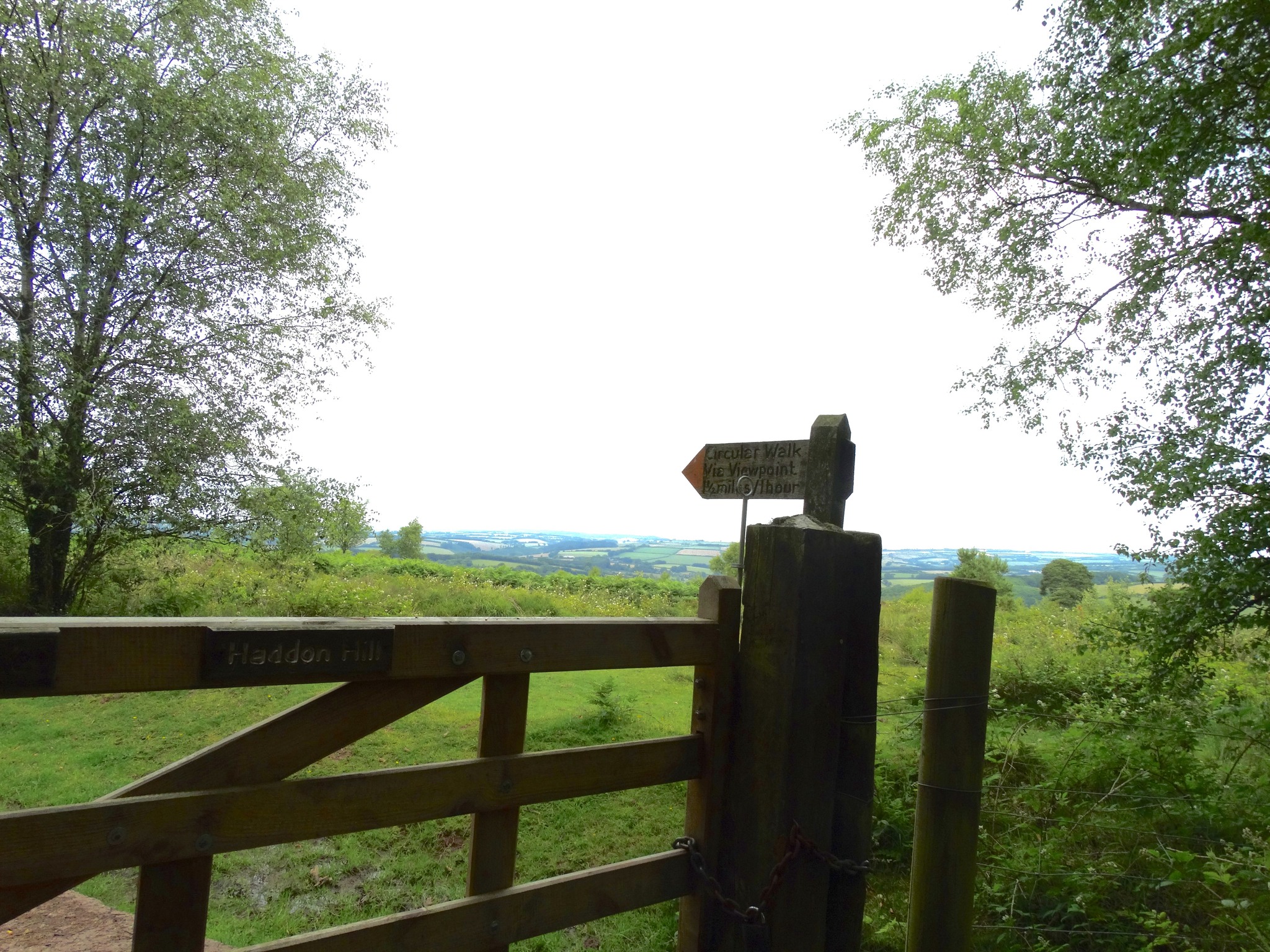
Making our way along deserted narrow lanes, whose hedgerows were bursting at the seams, had seen us reach our destination in good time. Our journey back though, had taken a detour as we’d decided to call in at Haddon Hill and take in the view across the fantastically named Wimbleball Lake. With some hairpin bends through a network of tight but beautiful roadways, I’ve always thought it should be called ‘Hidden Hill’, such is its location amongst the lanes. It’s a remarkable spot though, affording views across the lake as well as the stunning surrounding countryside; an excellent place to have a cup of tea, from our ever-present flask, together with a homemade oaty biscuit. First, though, I’d had to give my injured, but recovering, knee a trial wander along a flattish track and refreshment had to wait for our return.
Through a wooden gateway, up and over a gentle hill, the views could be readily seen and had tempted further investigation. The luminous purple-pink colour of rose bay willow herb, dark gorse and swaying grasses hugged the gate, and beckoned us on and through. Set before us was an expanse of fresh green bracken and clumps of gorse with the browning remains of its once yellow flowers still intact, and purple heather was pushing its way skyward through its prickly companion. A network of pathways leads the explorer in different directions; up and over or almost immediately down towards the reservoir, but the wide, uneven and stony pathway had been an ideal test for my knee and we’d followed it willingly towards the viewpoint.
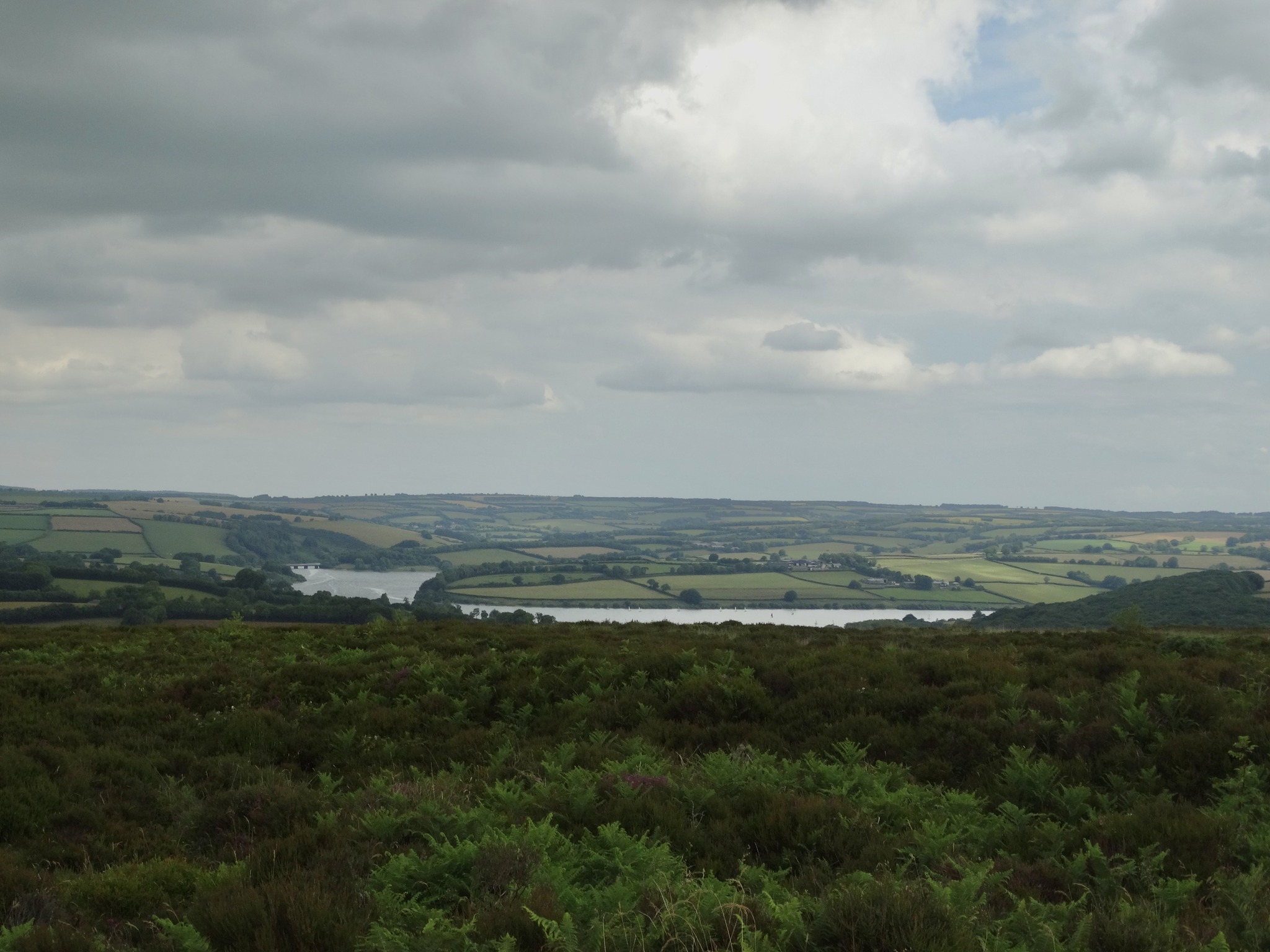
Along the way, the far-reaching views had opened out as more of the lake appeared. From up on the hill, its expanse seemed insignificant; but we knew it’s real size having walked some of the perimeter many times before. In the distance the long stretch of Wimbleball had been playing host to a plethora of sailing vessels that morning, their white sails stark against the silver-grey of the water. Their appearance was akin to tiny model boats being put through their paces on a village pond, so far away were they. Villages, bridges and churches could be picked out, dotted about the landscape, and set in a countryside of woodland, hedgerows and fields, where sheep grazed the green pastures. It had been quite idyllic being up on high and looking down on such a peaceful, pastoral scene.
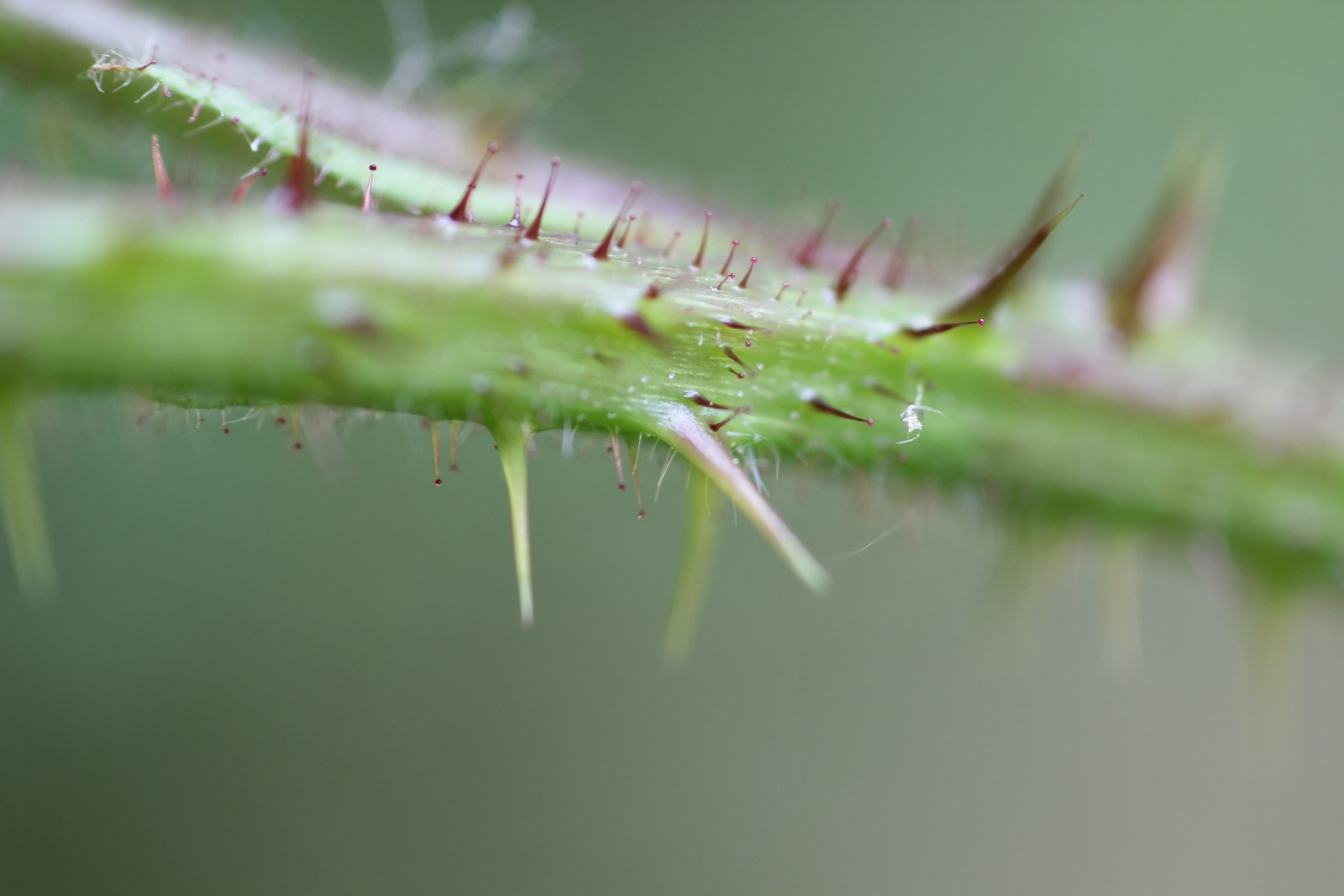
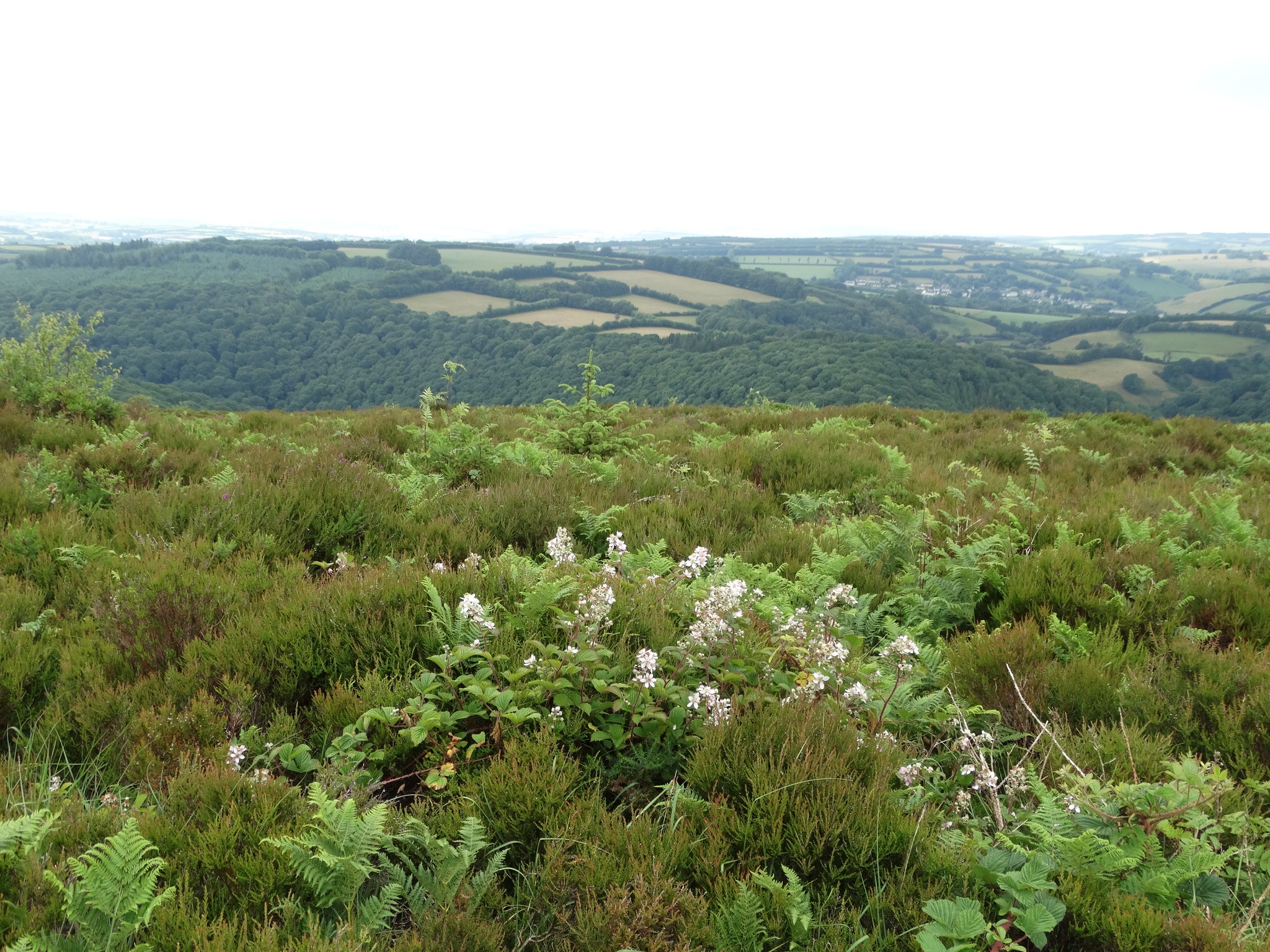
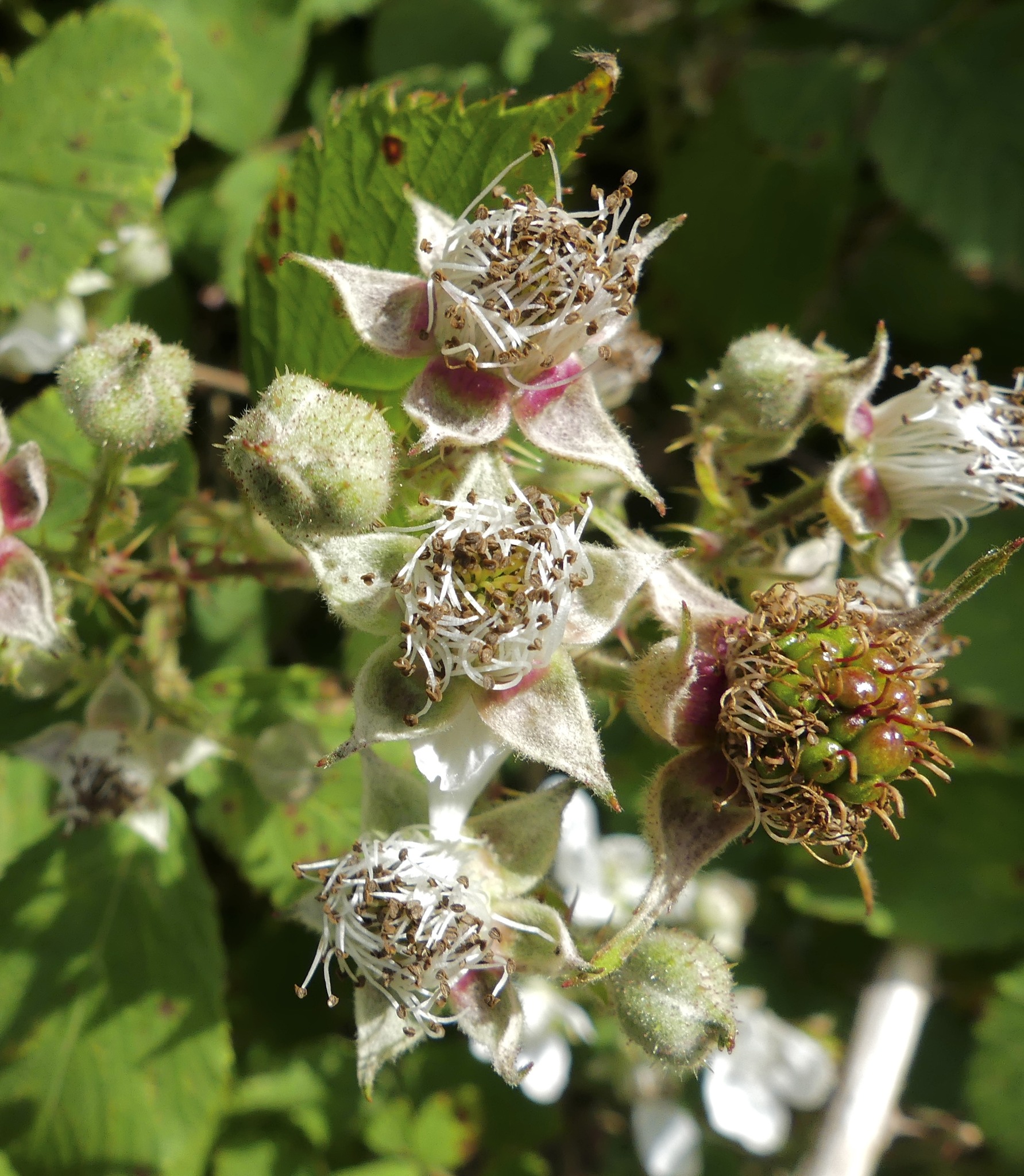
Threaded through the gorse in places, and in larger clusters elsewhere, the white flowers of bramble shoots shone out against dark stems. The green stems of the briery bramble were marbled with maroon tinges, the arms stretching and reaching, inch by inch, day by day.
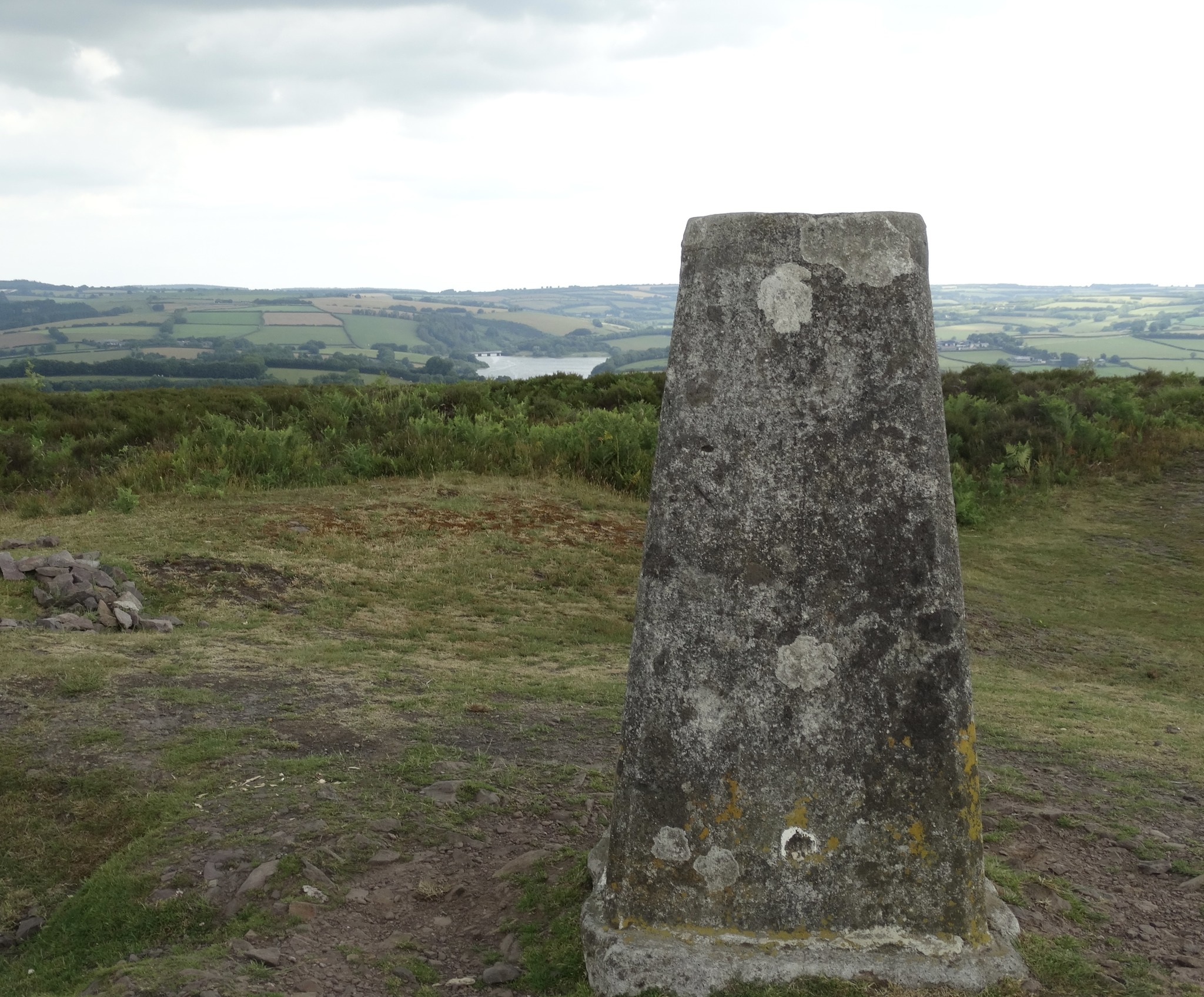
The small, green blackberries had already begun to emerge, pushing the delicate petals to one side until they’d eventually fallen to the ground, their work completed and done. Up and down the stems of the dense gorse were spots of frothy cuckoo spit, which looked like someone had taken a breath and blown suds across the bushes in gay abandon. The growth of new heather had been everywhere, its purple vibrancy glowing under a cloudy sky, making itself known; taking the crown away from its predecessor, the yellow gorse. With the day being hot, there had been a warm and welcome breeze blowing across the hillside as we’d reached the trig point at the summit. Skylarks had taken to the skies as we’d stood taking in the 360 degree views, that stretched towards the horizon from the singular concrete pillar; birdsong and the whispering breeze were our only companions for several minutes.
It would have to be best foot forward on the downward slope and, although not a long wander, it had been all my knee could take; little and often seemed to be the way forward. Walking into the strengthening breeze and looking forward to a cuppa, we’d picked our way down the stony track taking in the views as we’d gone. Haddon Hill is somewhere that we don’t visit often enough, yet we should as it’s another way to witness Exmoor laid before us. So many greens, so many shapes from the trees and fields and so many places to visit and to make our own. Collecting the rucksack from the boot of the car, with our flask and snacks concealed within, we’d found a rustic wooden bench on which to sit awhile. For me, it was good to have walked a little – not our usual up and down wander but a start, and I’d wondered if I’d pay for it when morning came. The clouds were really beginning to gather despite the warmth of the day and we’d speculated that a few thundery showers were on the cards before lunch. On the move once again and we were homeward bound, slowly making our way down lush green lanes where hillsides and woodland rose up from the hedgerows and where elderflowers grew in profusion.
Despite the grey clouds that had continued to gather and move around us, the rain had held off until after well after we’d eaten lunch in the garden. We’d been working solidly digging up some old and dead buddleia stems, their gnarled and twisted thickness causing us little problem, they were so brittle. We’d taken ten minutes out of our toiling and had been sitting up on the old bench again, where tall daisies bent over towards the gateway. We were watching and listening to the hum of the bees across the mini meadow, when we’d noticed that the clouds were gathering once again. We’d looked to the skies and thought that our minutes were numbered, as the warm and gentle breeze had quickly turned itself into a brisk and chilly version. The wind was catching the branches of the beech trees, rustling the dense green leaves as it had whipped through them, disturbing the birdlife.
A clattering of jackdaws had taken to the sky above us, calling loudly and making a noise that was far too loud for such a small group of birds. It was a sign that couldn’t be ignored; rain was imminent and it was time to store our tools and make a hasty retreat for cover. Was there time to pull some rhubarb before making for the old slate steps by the kitchen, I’d wondered? With my husband ferrying the tools to the garden shed, I’d decided that there was. After all, if it rained too hard I could always use their enormous leaves as an umbrella. I’d shaken my head and smiled at my thoughts and meanderings, as it would only be a drop of wet rain, which had never bothered me at all. If I’d ever worried about getting wet on Exmoor, then I’d never venture outside the front door.
With the freshly pulled rhubarb tucked under my arm and the biggest spots of rain hitting the steps, I’d been left wondering if I’d be able to finish my simple Sunday in the same way as I’d started it; up in the top garden with my evening cup of Earl Grey tea, sat on the old wooden bench that overlooked the mini meadow.
After ten minutes the weather had blown itself out as quickly as it had blown in, tossing our grey garden umbrella across the patio whilst it did so. But all had dried up and calmed down quickly, and tea had been taken on the bench that glorious evening, whilst listening to the velvet tones of our resident male blackbird. My peaceful day had ended as it had begun and I’d felt ready to face the pheasants’ morning call, should they appear again come morning.
Ellie Keepers is a local author who regularly contributes to our Exmoor4all photo group on Facebook where she is also a very valued moderator for the group.
Ellie has written four books about Exmoor which are available here.
As a special thankyou to Exmoor4all supporters, the publisher has offered a £5.00 discount if you buy the series as a bundle. So instead of the regular £25 price which is already less than the £31.96 if you buy them separately, it will be £20 for the set.
Customers just need to type the code Exmoor4All into the coupon box when they go to the checkout.
There is no limit to how many coupons you can apply per customer, so if someone wants to treat themselves and get presents for a few people now is the time.
The offer is available until the end of July 2023.
There is still a £2 P&P charge, but that still makes it only £5.50 per book.













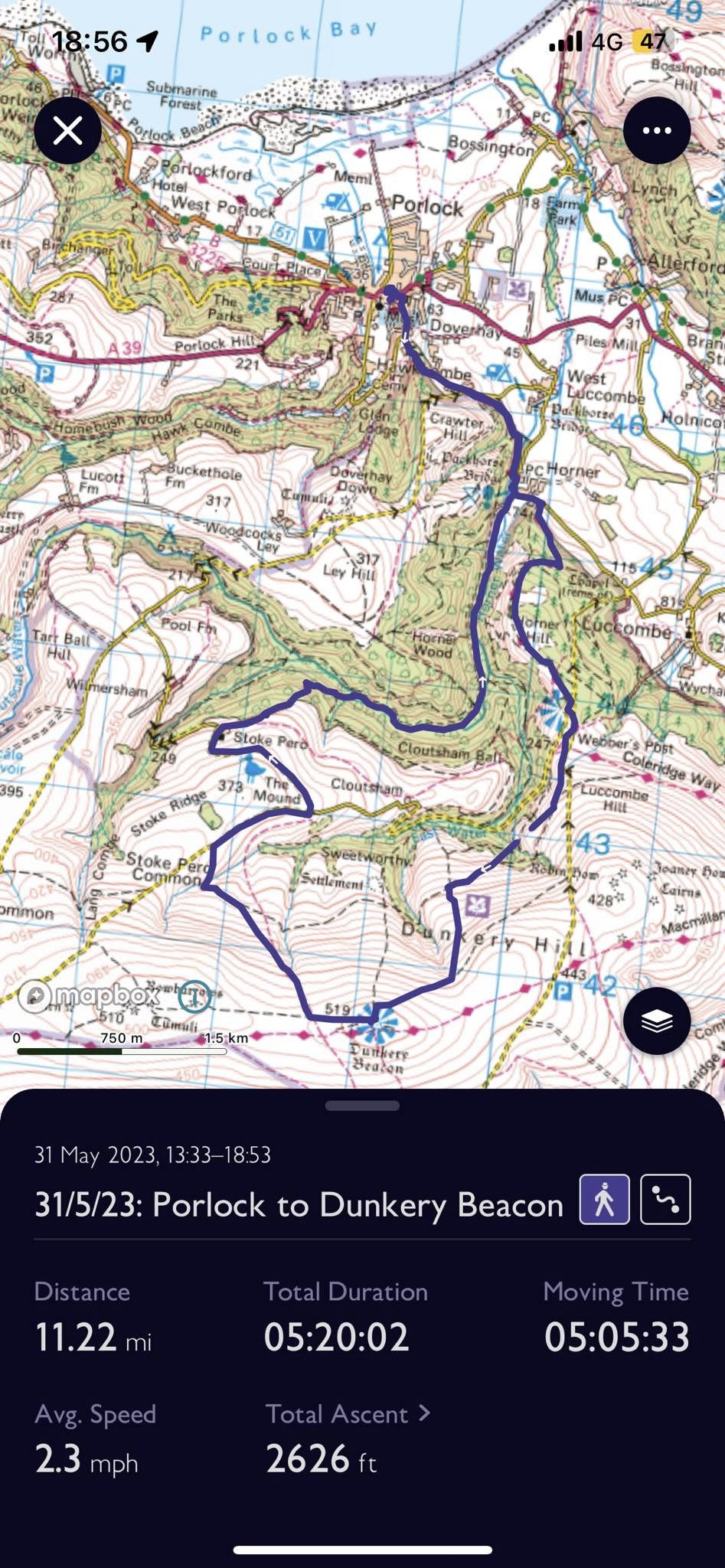
Great 11 mile circular walk from Porlock to Dunkery Beacon, then watching the sun set over Porlock this evening.
Jonathan Simms, 31 May 2023





 Exmoor 4 all