
Man and his best friend…. watching the sun go down at Bossington Beach on 17 June 2014. Photo by Rach Banham
Man and his best friend…. watching the sun go down at Bossington Beach on 17 June 2014. Photo by Rach Banham
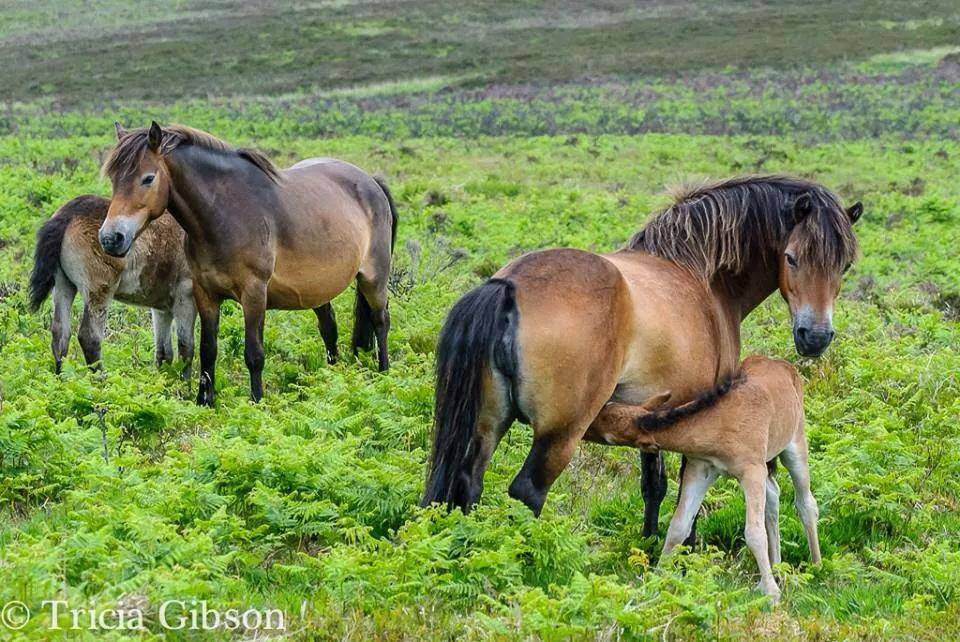
Semi-feral Exmoor Ponies, captured on camera by Tricia Gibson.


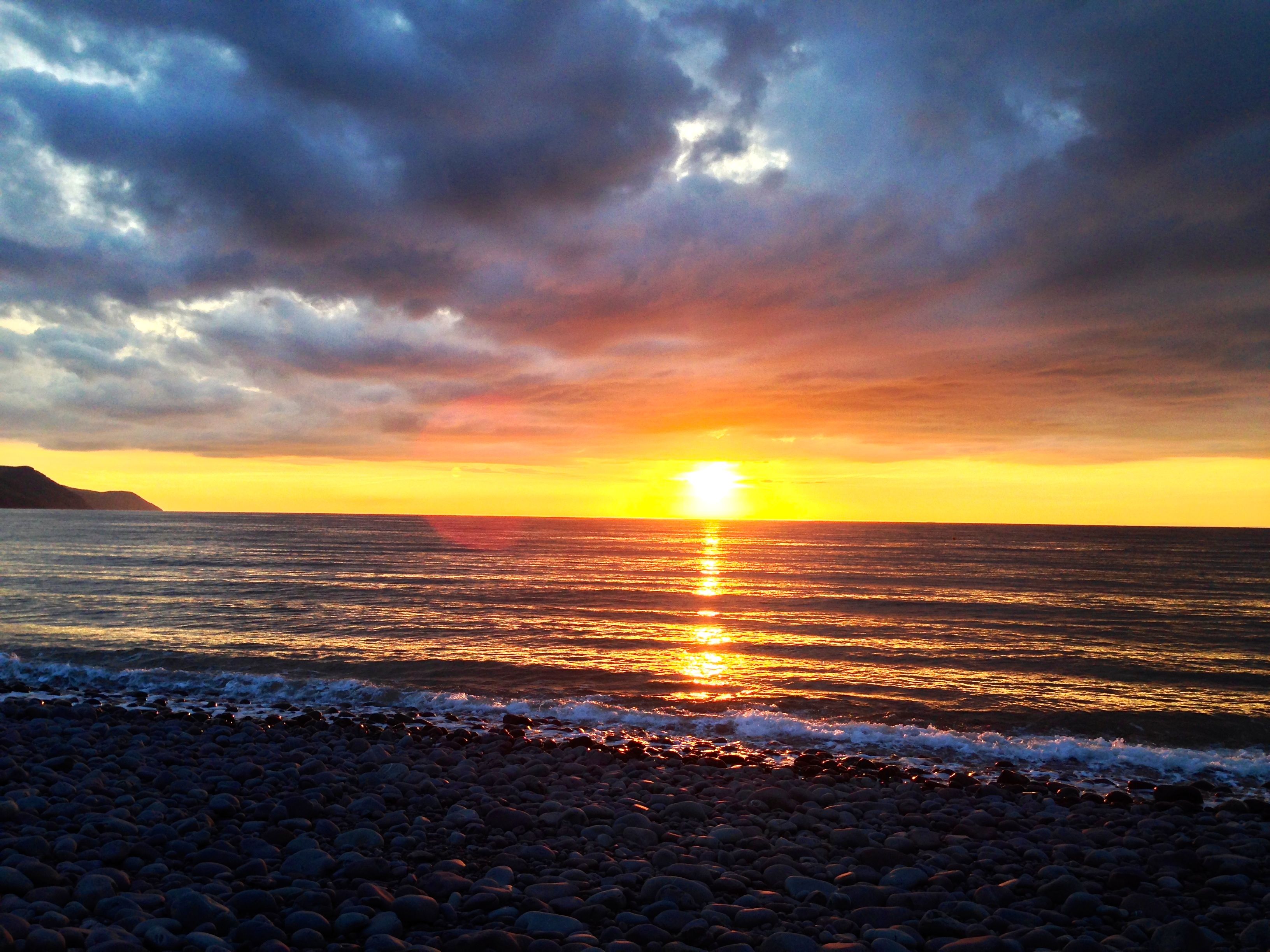
Sunset at Bossington Beach, 5 June 2014

Winner of the April Competition – Photo by Andrew Wheatley


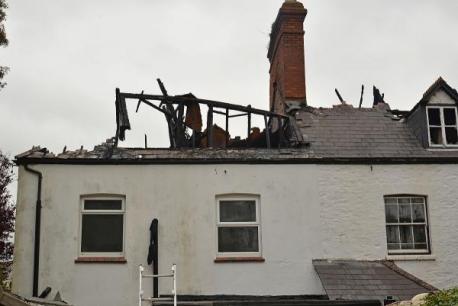
In the recent house fire in Porlock two families had to leave their burning house with only the clothes they were wearing.
We are still looking for men’s clothes – 34/34 trousers, shorts, large tops (shirts/jumpers) and some good quality shoes/trainers size 10 1/2.
We are also looking for a cooker – if you can help, please get in touch via FB, Twitter, the Contact Us page on this website or send an email to info@exmoor4all.com
Yellow money collection boxes are located throughout Porlock and at the Coop and Tesco’s in Minehead.
We are in the process of organising an online auction in aid of the victims. Look out for the hashtag #PorlockFireAuction on Facebook and Twitter. Details will also be available on this website closer to the date.

THANK YOU!!!!

Tawbitts Lanzulot and one of his colt foals out on the moor. Photo by Tricia Gibson
Tricia Gibson regularly posts her fantastic photos of Exmoor Ponies on the Exmoor Pony Club Facebook page.


These photos were taken by Rupert Kirby – you can follow the Lynton Goats on FB and read up about them on www.lyntongoats.org. Here is an extract from the website:
Roughly half way along the Exmoor coast lies a valley. A mysterious place the history of which is clouded by myth and legend. Once even more mysterious before its stone monuments were vandalised and laid waste and before the motor car had brought visitors in their thousands. Ancient peoples once lived in the valley’s hollow which had been formed by the melting glaciers even earlier still. Little evidence remains of the stone circles and standing stones or of the people who lived in the shadow of Holworthy Hill. Yet there is a living history in this valley. An ancient and rare animal lives here as it once lived all those long years ago.
Goats have been recorded in the valley of rocks over many centuries. The Domesday book recorded seventy-five goats in the Manor of Lyntonia. Over the years the fortunes of the goats have been somewhat mixed and man’s intervention has played an important part in their history. We know goats were removed in the mid-nineteenth century as Coopers guide of 1853 tells us that formerly wild goats were encouraged in the valley, and that it was felt necessary to destroy them as they killed so many sheep by butting them over the adjacent cliffs. Goats were again introduced into the valley in 1897 by Sir Thomas and Lady Hewitt. These were domestic goats believed to have come from Sandringham and although not ideally suited to the harsh environment of the valley survived as a small, mainly white herd until they eventually died out in the 1960s. The herd in the valley today originated from the Cheviot Hills of Northumberland and were introduced in 1976. They are well suited to the valley environment and breed freely.
This goat is our original native breed, introduced by the very first farmers, but further developed and shaped by the harsh climate of Northern Europe, so that it is small and stocky with a large rumen that can be packed full of poor grade fodder which then acts like a furnace to keep it warm. Even its ears are small to ward off the effects of frost, and its overall appearance is very much in keeping with the Exmoor Pony, a breed that developed in similar conditions. In fact, the British Native Goat has been termed the ‘Exmoor Pony Of The Goat World’.
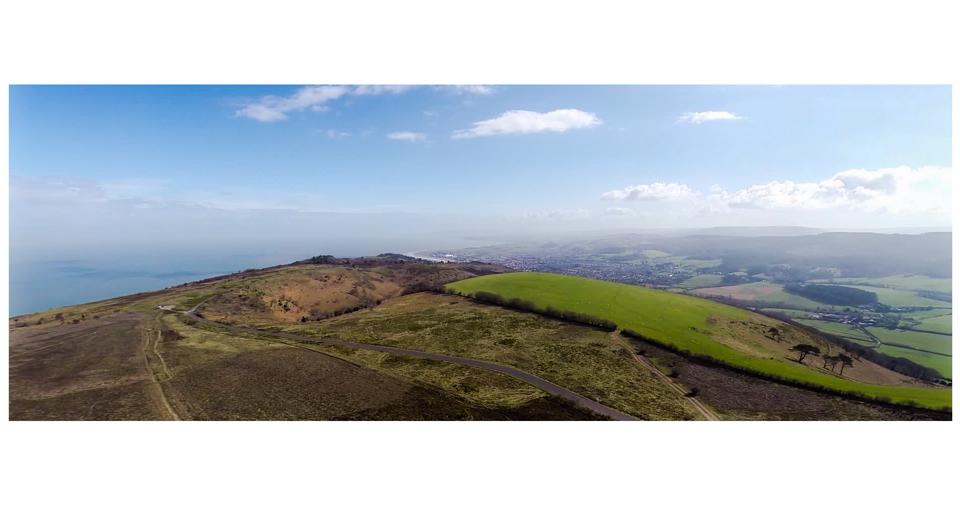
High above North Hill, looking over Minehead towards the Quantock hills. Photo by Paul Feeney
 Exmoor 4 all