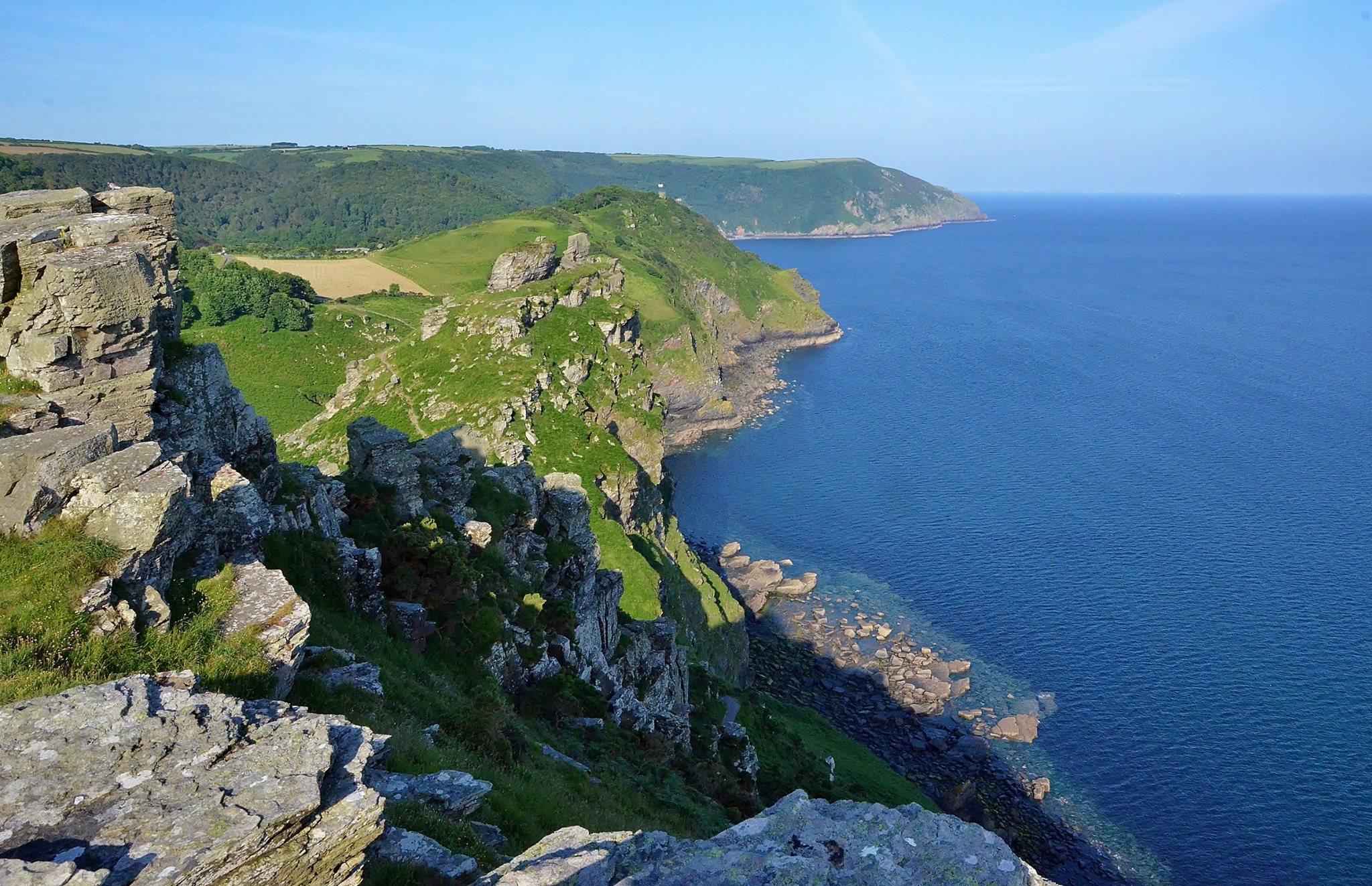
June in the Valley of Rocks. Photo by Rupert Kirby
June in the Valley of Rocks. Photo by Rupert Kirby


These photos were taken by Rupert Kirby – you can follow the Lynton Goats on FB and read up about them on www.lyntongoats.org. Here is an extract from the website:
Roughly half way along the Exmoor coast lies a valley. A mysterious place the history of which is clouded by myth and legend. Once even more mysterious before its stone monuments were vandalised and laid waste and before the motor car had brought visitors in their thousands. Ancient peoples once lived in the valley’s hollow which had been formed by the melting glaciers even earlier still. Little evidence remains of the stone circles and standing stones or of the people who lived in the shadow of Holworthy Hill. Yet there is a living history in this valley. An ancient and rare animal lives here as it once lived all those long years ago.
Goats have been recorded in the valley of rocks over many centuries. The Domesday book recorded seventy-five goats in the Manor of Lyntonia. Over the years the fortunes of the goats have been somewhat mixed and man’s intervention has played an important part in their history. We know goats were removed in the mid-nineteenth century as Coopers guide of 1853 tells us that formerly wild goats were encouraged in the valley, and that it was felt necessary to destroy them as they killed so many sheep by butting them over the adjacent cliffs. Goats were again introduced into the valley in 1897 by Sir Thomas and Lady Hewitt. These were domestic goats believed to have come from Sandringham and although not ideally suited to the harsh environment of the valley survived as a small, mainly white herd until they eventually died out in the 1960s. The herd in the valley today originated from the Cheviot Hills of Northumberland and were introduced in 1976. They are well suited to the valley environment and breed freely.
This goat is our original native breed, introduced by the very first farmers, but further developed and shaped by the harsh climate of Northern Europe, so that it is small and stocky with a large rumen that can be packed full of poor grade fodder which then acts like a furnace to keep it warm. Even its ears are small to ward off the effects of frost, and its overall appearance is very much in keeping with the Exmoor Pony, a breed that developed in similar conditions. In fact, the British Native Goat has been termed the ‘Exmoor Pony Of The Goat World’.
Bare Knuckle Parade’s new video shot on location on Exmoor, by Conor Purcell
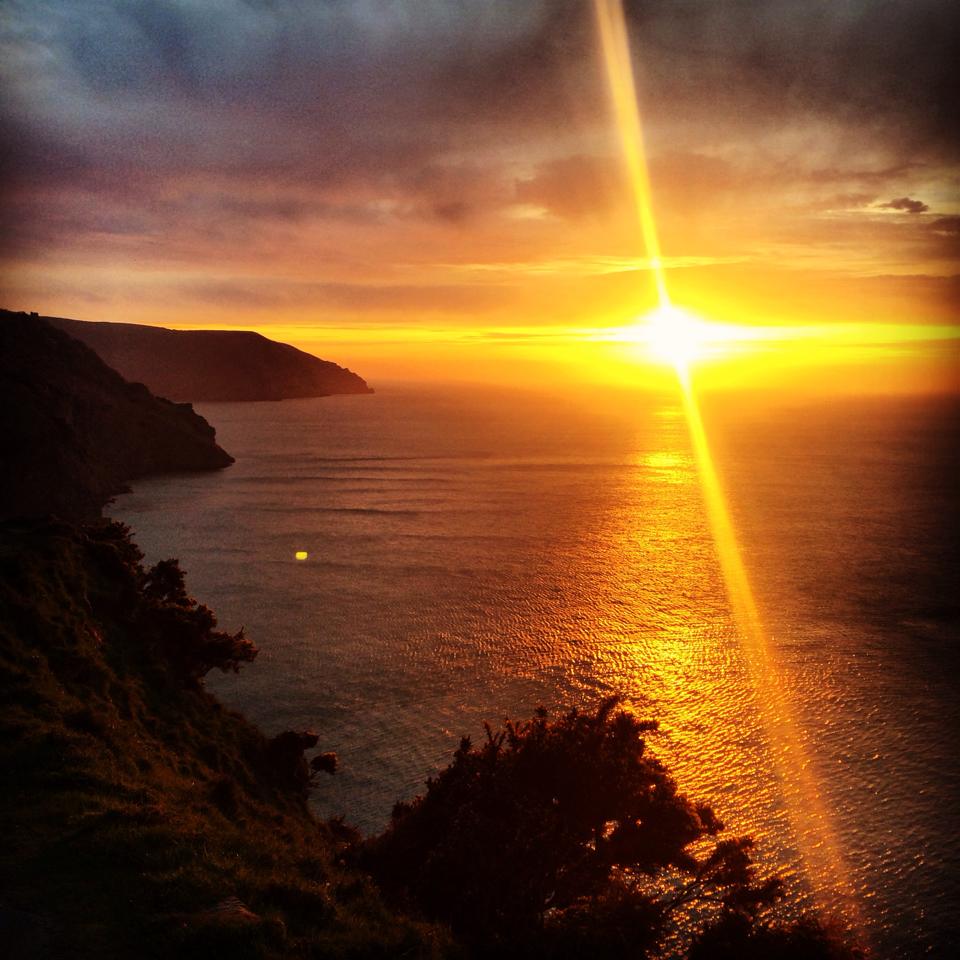
Valley of the Rocks. Photo by Conor Purcell.

Porlock Vale. Photo by Stuart Warstat
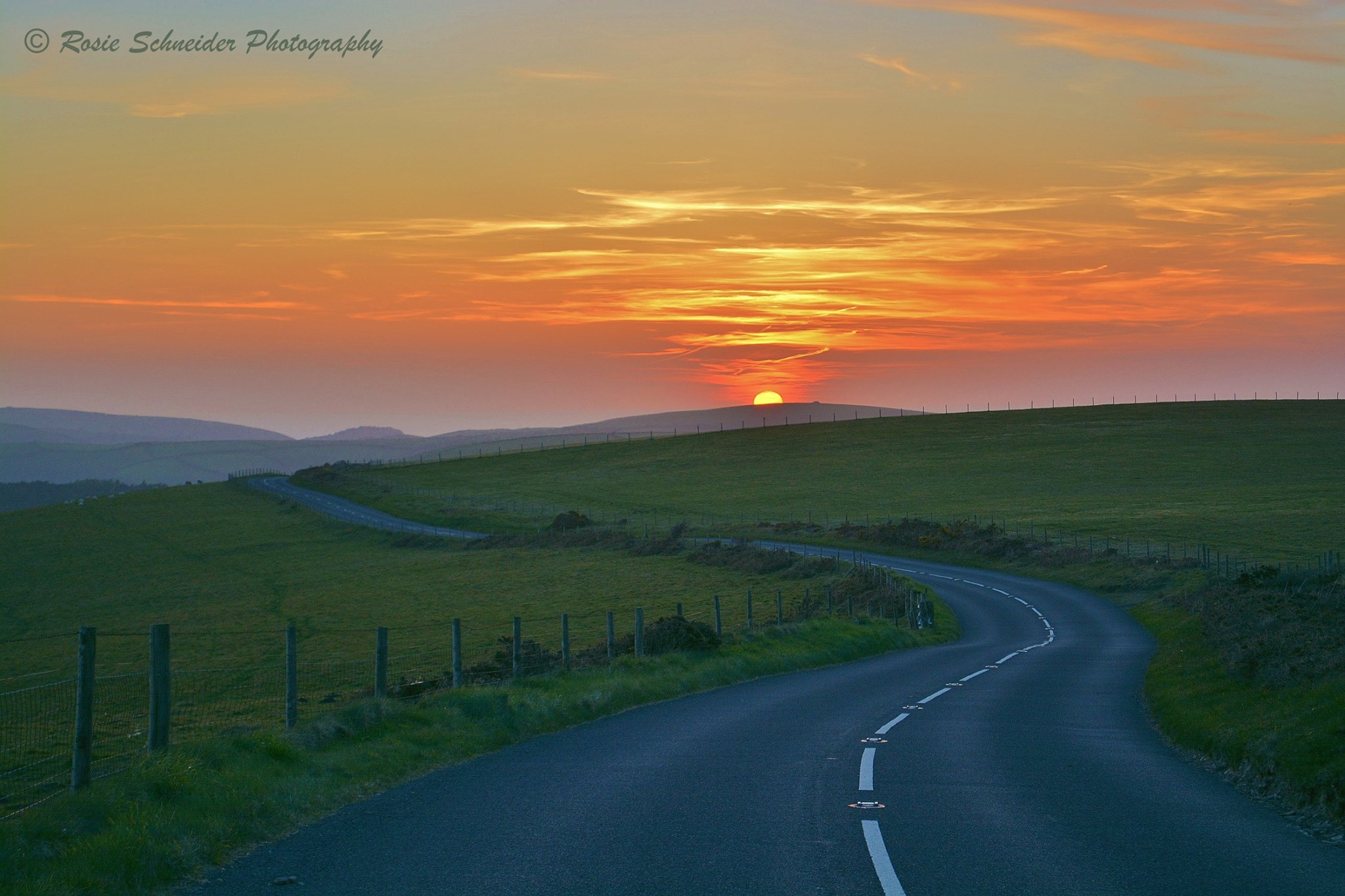
Road to Lynmouth. Photo by Rosie Schneider

Valley of the Rocks. Photo by Rupert Kirby

Photo by Mark Dooley
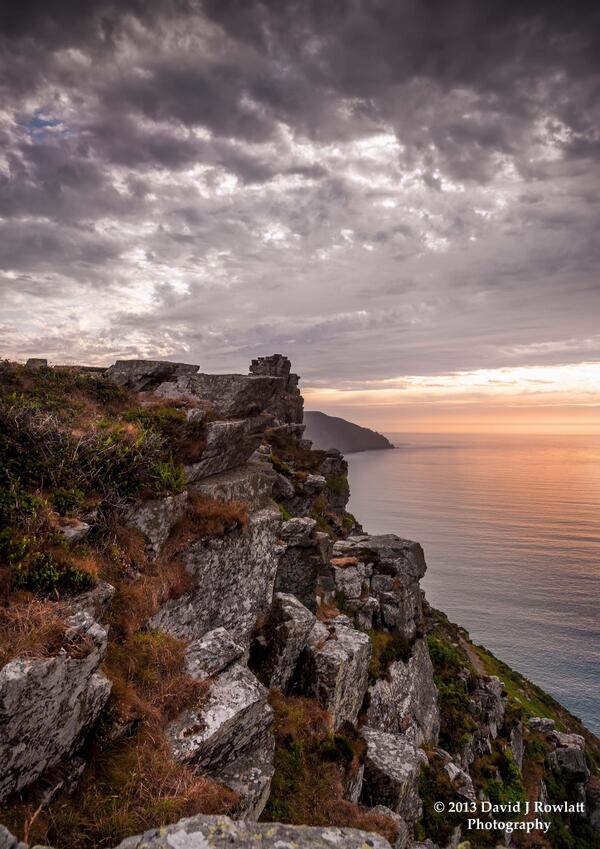
The Cliff Walk at the Valley of the Rocks. Photo by Dave Rowlatt
“The Valley of the Rocks or The Valley of Rocks is a dry valley that runs parallel to the coast in north Devon, England, about 1 kilometre (0.6 mi) to the west of the village of Lynton. It is a popular tourist destination, noted for its herd of feral goats, and for its geology, having good exposures of the Lynton Beds that are among the oldest Devonian rocks in north Devon and are highly fossiliferous. Also of note are the periglacial features formed when this area was at the limit of glaciation during the last Ice Age. The valley is believed to owe its existence to the dissection by coastal cliff recession of a former extension of the valley of the East Lyn River which now meets the sea at Lynmouth.
In late 1797, Samuel Taylor Coleridge and William Wordsworth visited the valley together and decided to write a prose tale called “The Wanderings of Cain” set there, though it was never completed. The poet Robert Southey was a visitor in August 1799, and was impressed, describing it as “covered with huge stones … the very bones and skeletons of the earth; rock reeling upon rock, stone piled upon stone, a huge terrific mass”.[6] Later, R. D. Blackmore set part of his novel Lorna Doone (first published in 1869) in the valley.”
Wikipedia
 Exmoor 4 all