
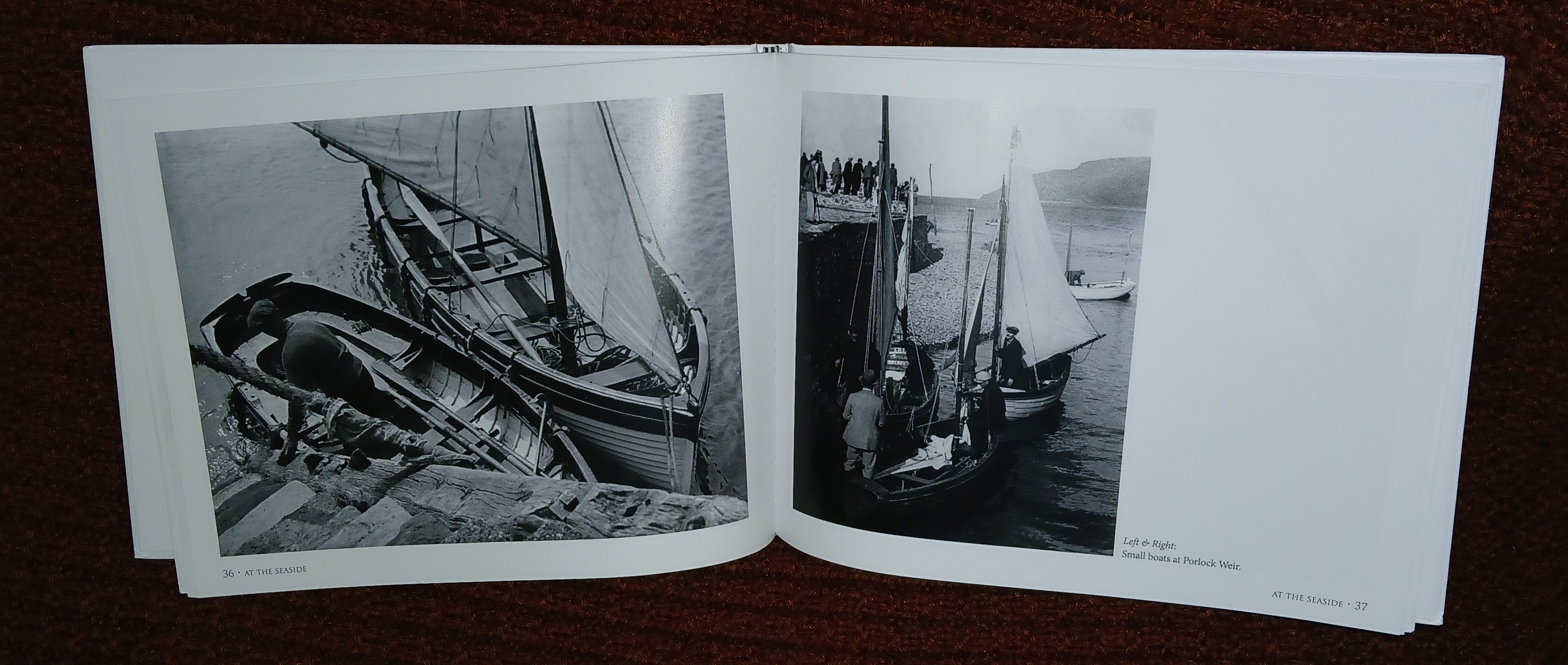
A collection of images of West Somerset scenes taken by Ernest Kille in the 1920s and 1930s is now available as a book.
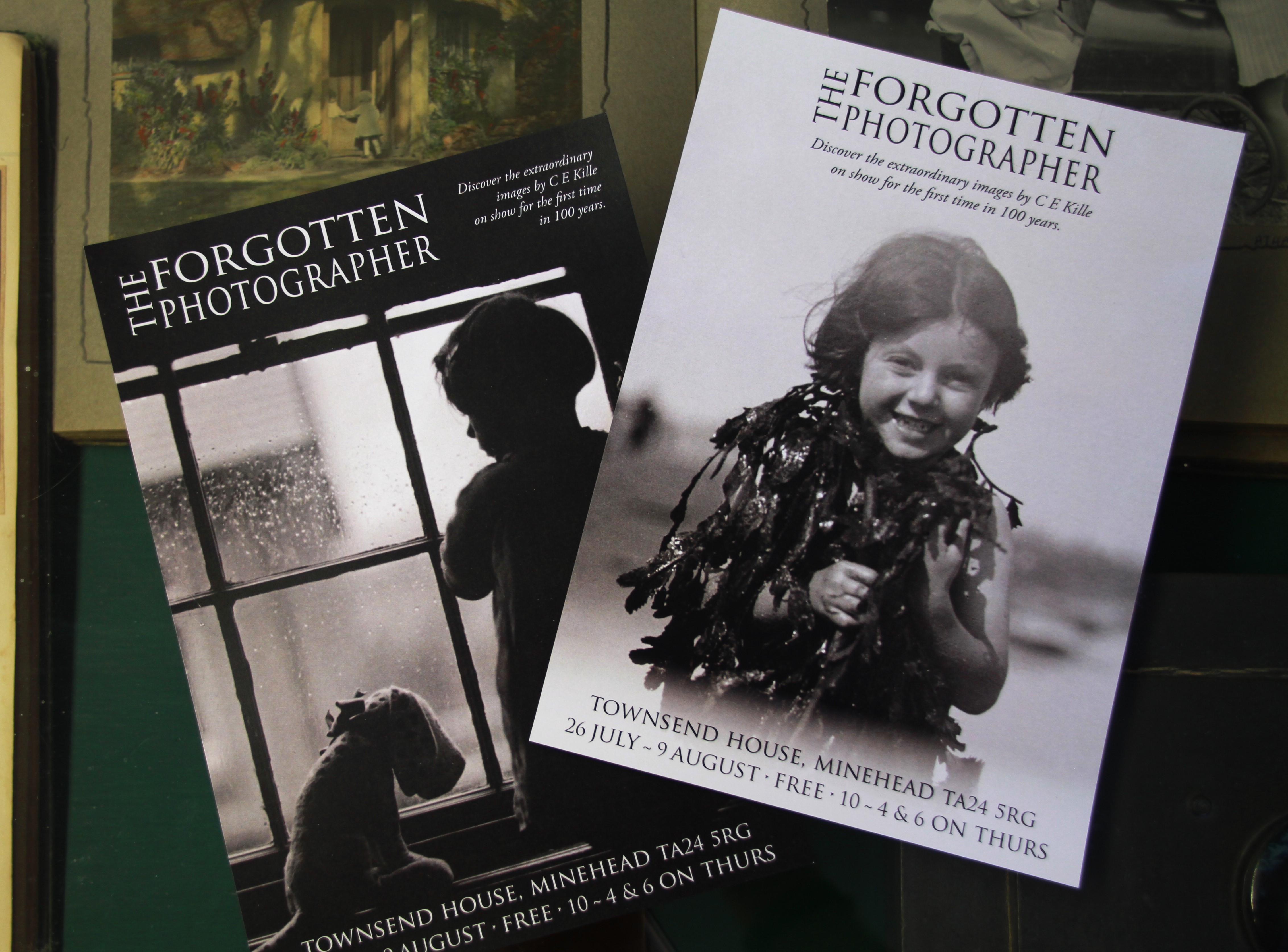
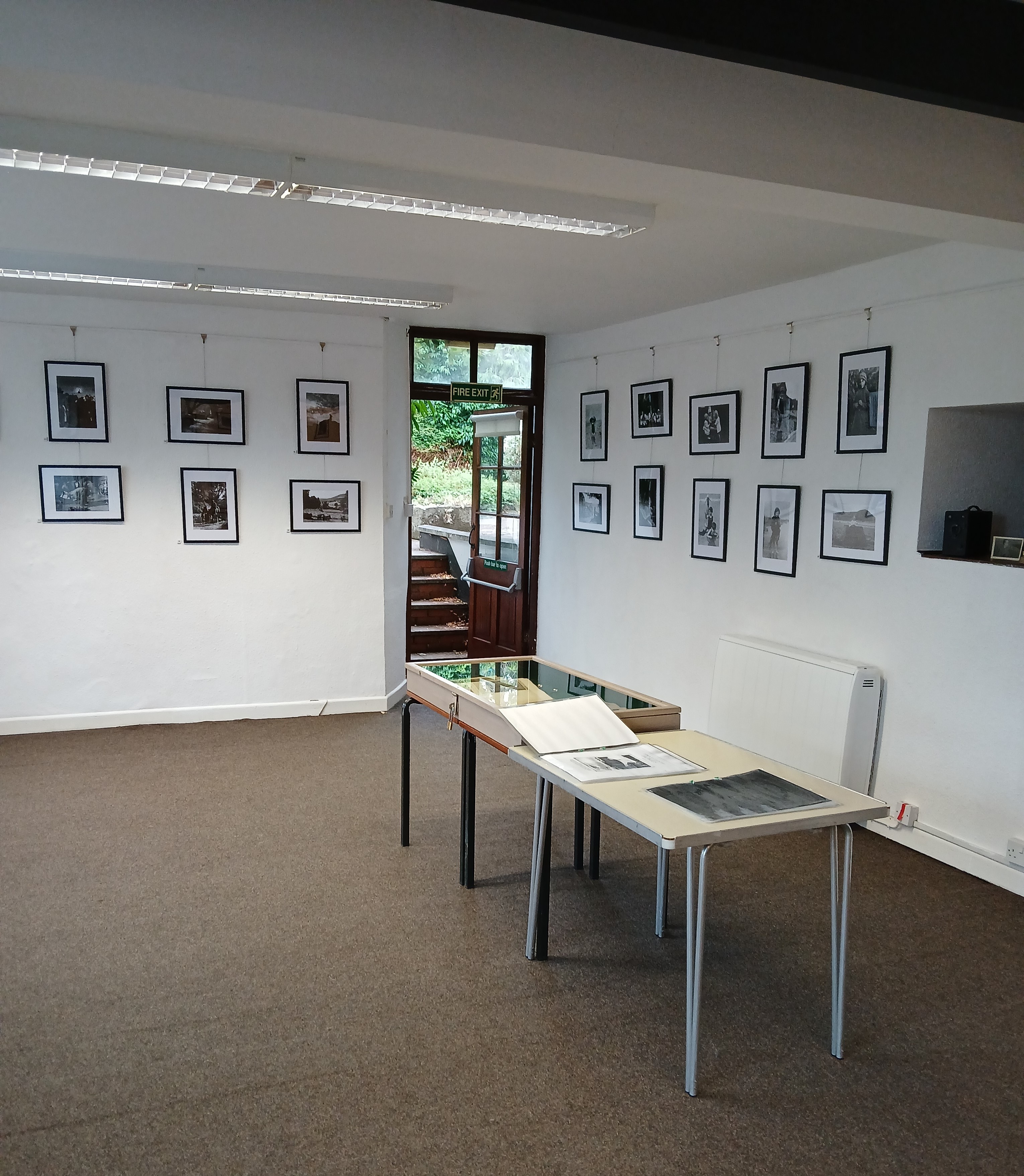
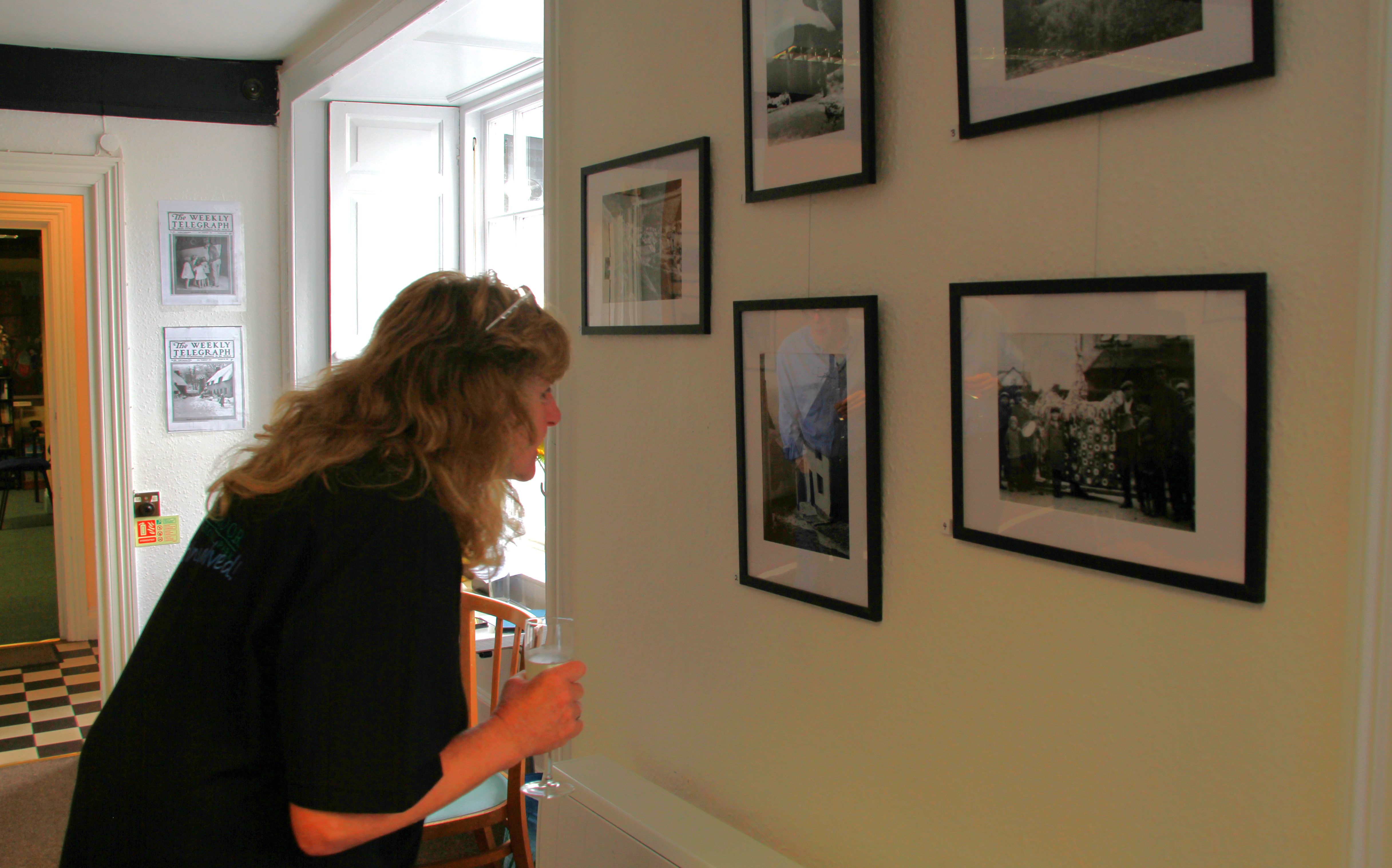
Following on from the very popular exhibition “The Forgotten Photographer” at Townsend House in Minehead in August this year, Ernest Kille’s granddaughter Atha Murphy has put a beautiful book together which features even more images than had been on view during the exhibition.
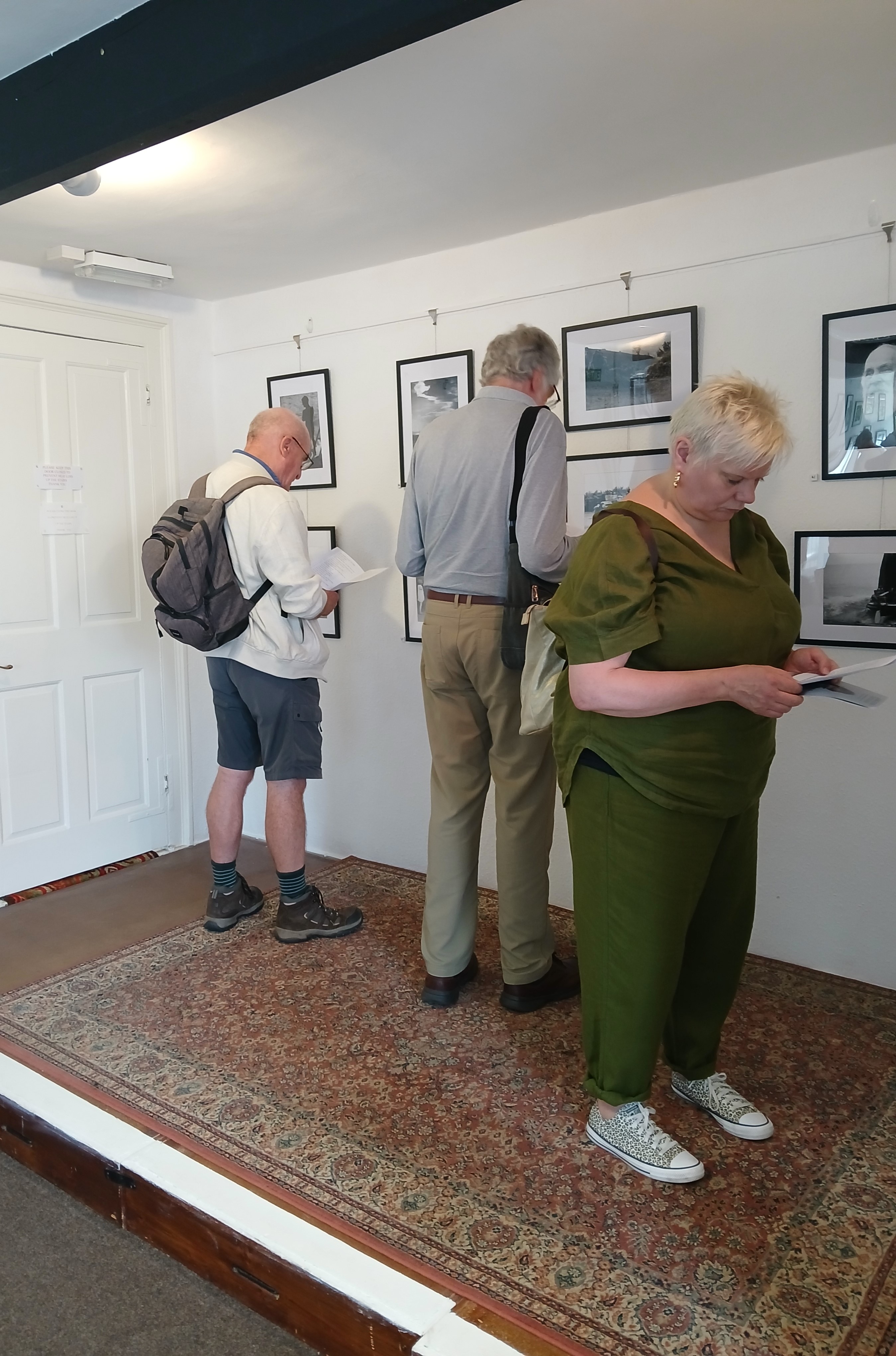
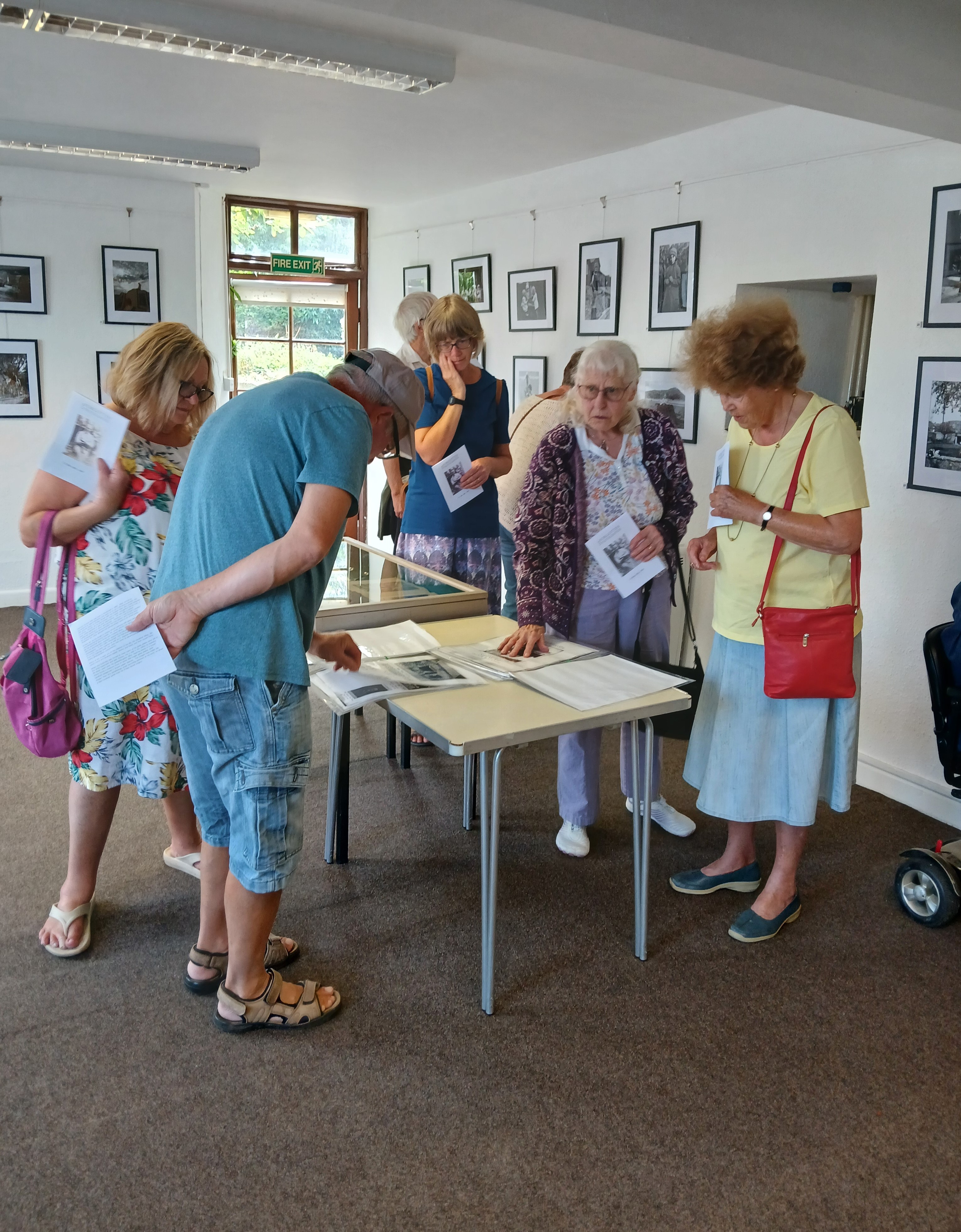
A lot of people had come through the door in August, many of them sharing their personal memories of the Kille family and their own childhood experiences – of the beach, the Lido, farming in the region. The photographs inspired many fascinating stories.
The visitors’ response to the exhibition was overwhelmingly positive; many prints and cards were purchased, and many of the visitors asked if there was a book available of the images. In response to this demand Atha Murphy, the photographer’s grand daughter, has produced a book with many more images which will be available from the 1st of December.
Ernest Kille, the quiet family man
Over 100 years ago Ernest (as he was known) ran a thriving business, the Gift and Art shop on Friday Street with his brother Alan. He was a quiet, thoughtful family man, a keen artist painting in oils and watercolour. He was also a skilled craftsman working in silver and pewter. However it was Ernest’s passion for photography that demonstrated his true artistry. Forgotten for many decades, Atha dediced to put together an extraordinary collection of his recently discovered photos
Back in the 1920s cameras were being developed for a mass market. Families were now buying their first camera – these amateur photographers were dubbed “snapshooters” . Professional photographers were of course providing studio portrait services and some more enterprising were travelling around the country capturing images for the huge market in postcards. In the West Country, Alfred Vowles, James Date and H H Hole had faithfully recorded local scenes and events. Ernest Kille and H H Hole shared a studio for a number of years and yet, whilst Hole is remembered, Kille is largely forgotten.
Ernest was no simple snapshooter. From his shop on Friday Street, working with glass plate negatives he learned how to compose and arrange his subjects, working with different light conditions to achieve stunning results. As an Associate Member of the Photographic society, he also wrote articles for photographic journals on his technical discoveries and creative ideas as well as providing advice on earning an income in this field. Improvements in print technology at the time meant that national newspapers were desperate for photographs to brighten their news coverage and to illustrate advertisements. As encouragement they regularly ran readers competitions for the best photos submitted and they paid good money. So Ernest started a lucrative side-line, submitting his photographs and earning a regular income from his beautiful family portraits and scenes of West Somerset
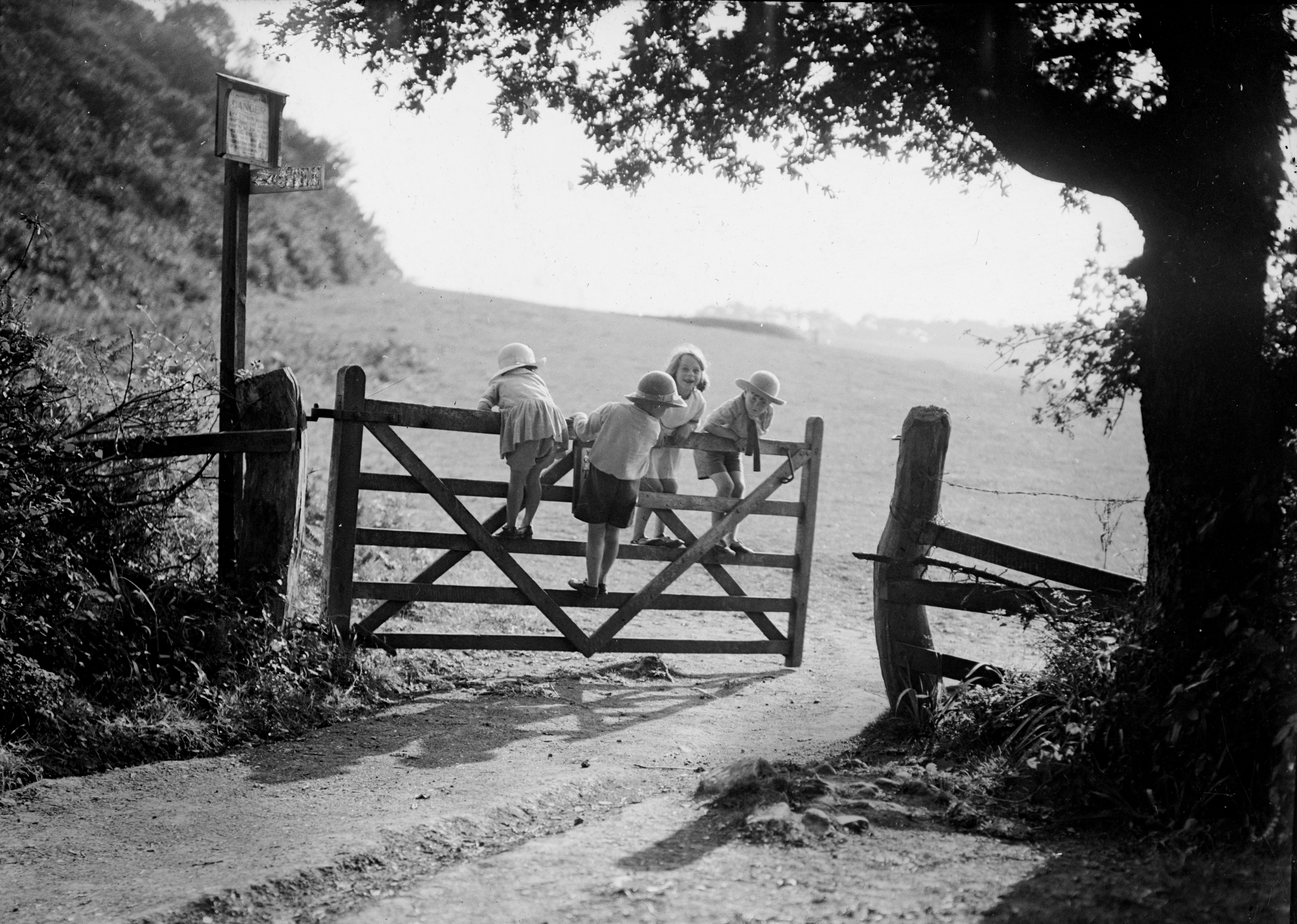
Periodicals and advertisers especially loved Kille’s portraits of his daughter Atha and her cousins. Each one seemed to tell a story, there was always a sense of fun , or sadness or mischief. Big national companies such as Cow and Gate paid handsomely for these engaging images to advertise their children’s food and medicines. Throughout the late 1920s and 30s Kille’s photos of West Somerset scenes regularly appeared across a range of national newspapers – in the Daily Telegraph, the Manchester Guardian, the News Chronicle, the Daily Express as well as in regional dailies.
When the business was forced to close most of his glass plates from a lifetime of photography were thought lost, left in the shop basement and later thrown into a skip in the 1960s by builders. All these years later his granddaughter Atha has reprinted the precious 400 fragile glass plates that remained, each carefully preserved in brown paper sleeves. This tantalisingly small selection of his body of work is full of charming and engaging pictures of all the children in his life, his daughter, niece and nephews – relaxed candid shots and many of them posed for newspapers, competitions and advertisements. Many more photographs depict the local area – the long since demolished Minehead Lido, the last launch of the wooden sailing lifeboat, old farming methods, ships and their sailors, local characters. And of course they offer a window into the 20s and 30s with the clothes, vehicles and agricultural technology of the day – horses!
This year for the first time these images will be on show in his home town of Minehead, not 500 yards from where he had his darkroom. This forgotten photographer will be back in the heart of the community which once knew and loved him, his work and his family. Minehead, Exmoor and the South West can once again take him back as their own.
The book “The Forgotten Photographer”, compiled by Atha Murphy, is now available at local independent bookshops as well as online at our Shop Exmoor4all. Alternatively you can send Atha Murphy an email.
£14.95 plus £4.95 p&p (UK)












 Exmoor 4 all